

Introduction
Have you ever wondered why some people seem to grow their money effortlessly while others struggle, no matter how hard they work? The secret often isn’t luck it’s making smart investments. But what does that really mean?
What Is a Smart Investment, you might ask? Simply put, it’s a choice that helps your money grow steadily over time while keeping risks manageable. For beginners, understanding this is crucial. Why? Because starting early even with small amountscan set the foundation for financial freedom, reduce stress about money, and open opportunities that seem out of reach today.
Think about it like planting a tree. You water it consistently, protect it from harsh weather, and wait patiently. Over time, it grows strong and fruitful. That’s exactly how a smart investment works for your money it grows quietly, steadily, and rewards patience.
By the end of this guide, you’ll understand not just what a smart investment is, but also how to start making choices that actually benefit you in real life.
Table of Contents
Definition of a Smart Investment
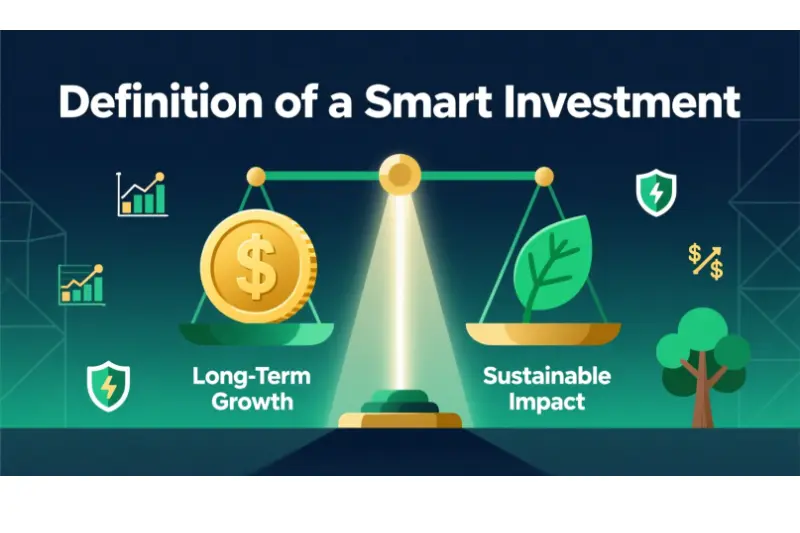
So, what exactly makes an investment “smart”? In simple terms, a smart investment is any choice you make with your money that has a good chance of growing over time without putting you in unnecessary danger. It’s not about chasing quick wins or trendy fads it’s about steady, thoughtful decisions that match your goals and comfort level.
A smart investment usually has three key qualities:
- Growth Potential -Your money should increase in value over time. Even small, consistent contributions can snowball into something significant thanks to compound growth.
- Controlled Risk -No investment is completely safe, but smart investing focuses on managing risk. This could mean spreading your money across different assets, avoiding overly volatile options, or simply choosing tried-and-true methods.
- Personal Fit -The best investment for someone else might not be right for you. A smart investment aligns with your goals, your timeline, and your financial situation. For example, a college student might start with a small index fund, while a parent nearing retirement might prefer safer bonds or savings plans.
Mini example: Imagine two friends. One puts a little money into a diversified fund every month. The other chases flashy tips from social media. Ten years later, the first friend is relaxed and financially secure, while the second is still scrambling. That’s the power of understanding and choosing a smart investment.
May be you like it:
Top 10 Best Trading YouTube Channels to Follow in 2025
Funding an LLC: Easy Ways to Get Startup Money
Family Wealth Strategy – Build and Protect Your Legacy
Invest Wisely: Smart Tips for Growing Your Money
Key Traits of a Smart Investment
Now that you know what a smart investment is, let’s look at the traits that make an investment truly smart. Understanding these will help you make choices that actually grow your money over time.
Long-Term Thinking
Smart investors don’t focus on instant gains. They think in years or even decades, not days or months. Why? Because real wealth grows slowly and steadily. For example, putting $50 a month into a simple index fund might not feel exciting at first-but over 10 or 20 years, that small, consistent effort can turn into a significant nest egg. Patience is your best friend here.
Risk Management / Diversification
No investment is completely risk-free, but a smart investment manages risk carefully. One key method is diversification-spreading your money across multiple assets so a dip in one doesn’t wreck your finances. Think of it like not putting all your eggs in one basket. You might invest part in stocks, some in bonds, a bit in real estate, and keep a small safety cushion in savings. This balance keeps your portfolio more stable.
Alignment With Personal Goals
A smart investment fits your life and your goals, not someone else’s. Ask yourself:
- Do I need this money soon, or can I let it grow for years?
- How much risk am I comfortable with?
- What am I hoping this investment will achieve?
For instance, a 25-year-old just starting a career might prioritize growth over safety, while a 50-year-old planning retirement might prefer low-risk, stable options. The key is to match your choices to your timeline, needs, and comfort level.
Mini insight: Smart investing isn’t about following trends. It’s about understanding yourself, your goals, and making decisions that align with them.
Types of Smart Investments for Beginners
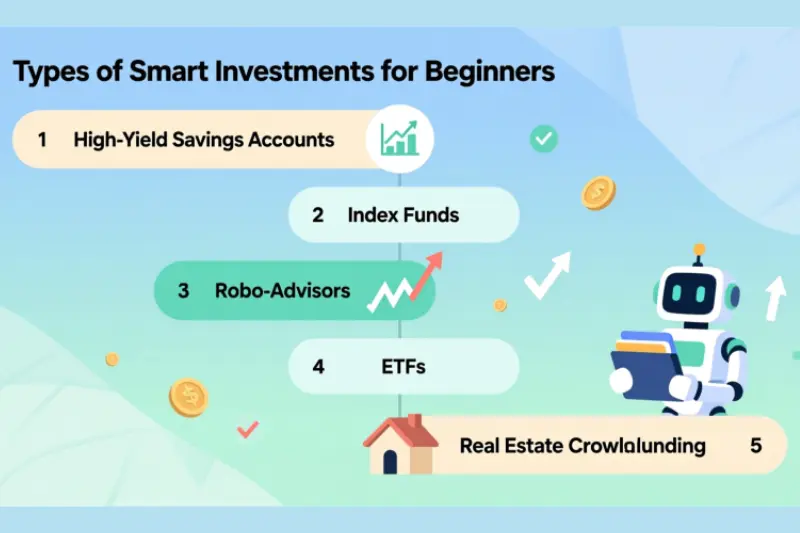
If you’re just starting out, the best approach is simple and practical. You don’t need fancy strategies or complicated tools-just investments that grow steadily, manage risk, and suit your goals. Here are some beginner-friendly options:
Index Funds / ETFs
These are collections of stocks that track the overall market instead of a single company. They’re popular because they’re:
- Less risky than investing in one stock
- Easy to manage
- Great for long-term growth
Even investing a small amount regularly can build a strong portfolio over time.
Real Estate / REITs
You don’t have to buy a huge property to invest in real estate. There are options like:
- Small plots of land
- Rental properties
- REITs (Real Estate Investment Trusts)
Real estate typically appreciates over time, and some options even provide passive rental income.
High-Interest Savings or Fixed Deposits
Not flashy, but extremely safe. These are ideal for beginners who want:
- Predictable returns
- Low risk
- Quick access in emergencies
Think of it as a “starter” smart investment that keeps your money growing with minimal stress.
Investing in Skills or Education
Sometimes the best investment isn’t financial at all-it’s in yourself. Courses, certifications, or learning a new skill can significantly boost your earning potential. Over time, this type of investment can yield some of the highest returns, because your knowledge is an asset that compounds as your career or business grows.
Mini insight: You don’t need to choose just one. Even beginners can combine small amounts across a few of these options. The key is consistency and patience.
Common Mistakes to Avoid
Even the smartest beginners can make mistakes-often without realizing it. Knowing what not to do is just as important as knowing what to do. Here are some common pitfalls:
High-Risk Speculative Investments
Chasing the next “hot” stock, crypto coin, or fad might feel exciting, but it’s not smart investing. High-risk bets can wipe out your money faster than you think. Remember, investing is about steady growth, not adrenaline rushes.
Emotional, Impulsive Decisions
Ever bought something because everyone else was buying it? That’s exactly what many investors do with their money. Making investment decisions based on fear, hype, or impatience usually leads to mistakes. Smart investors pause, research, and stick to a plan.
Following “Get-Rich-Quick” Schemes
If someone promises double returns in a month or guaranteed profits with no effort-run. These schemes are rarely legitimate. Real investing takes time, patience, and consistency. There are no shortcuts, and that’s okay.
Mini insight: Avoiding these mistakes keeps your money safe and your stress low. The most successful investors aren’t those who make wild bets-they’re the ones who think clearly and act wisely.
May be you like it:
Top Finance Webinars to Boost Your Money Skills
My Funding Choice: Find the Best Way to Finance Your Goals
Wealth and Success – Habits That Transform Your Future
Invest Criteria: How to Choose Smart Investments
Step-by-Step Beginner’s Guide to Start Investing
Starting your investment journey can feel overwhelming, but it doesn’t have to be. Even beginners can take smart, practical steps that make a real difference over time. Here’s a simple roadmap:
Build an Emergency Fund
Before investing a single penny, make sure you have 3-6 months of basic expenses saved. This fund acts as a safety net so you don’t panic or sell investments during unexpected events. Think of it as insurance for your financial peace of mind.
Learn the Basics
Knowledge is power. Spend some time understanding:
- Risk vs. reward
- How markets fluctuate
- Different investment types
Even just reading beginner-friendly guides or watching short videos can prevent costly mistakes and help you feel confident.
Start Small, Stay Consistent
You don’t need thousands of dollars to begin. Even $20-$50 a month can grow significantly over years thanks to compound growth. The trick is consistency-small amounts, invested regularly, beat large one-time investments done sporadically.
Be Patient and Monitor Progress
Investing is a marathon, not a sprint. Avoid obsessively checking your portfolio every day. Instead, set a routine to review it occasionally and adjust if necessary. Patience allows your investments to grow steadily without stress.
Mini insight: Think of investing like watering a plant. Small, regular care over time leads to growth. Big, sudden efforts often don’t last.
Benefits of Smart Investments
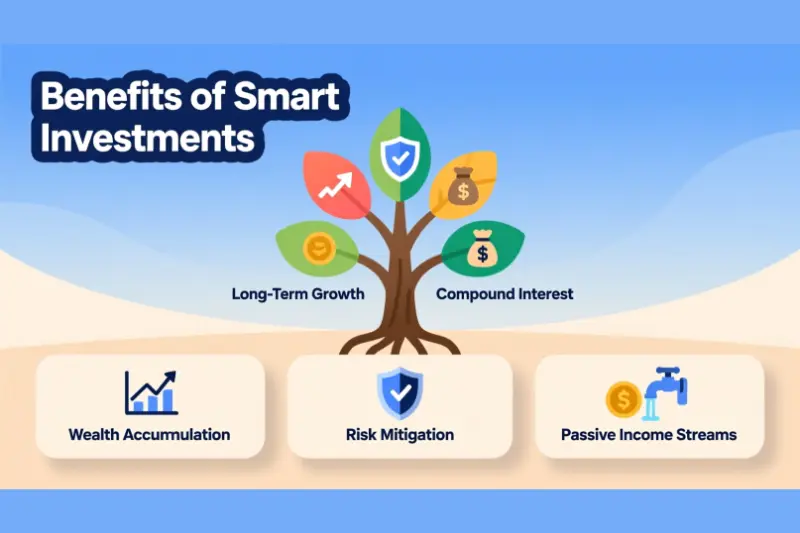
Investing wisely isn’t just about numbers-it’s about how your money works for you and the peace of mind it brings. Here are the main benefits beginners can enjoy:
Money Growth Over Time
The most obvious benefit is that your money grows. Even small, consistent investments can snowball thanks to compound growth. Over time, what starts as a modest sum can become a substantial financial cushion. This steady growth is far more reliable than chasing risky, unpredictable gains.
Financial Security and Freedom
Smart investments provide a sense of security. Knowing that your money is working for you reduces dependency on a single paycheck and opens doors for future opportunities-whether it’s buying a home, starting a side business, or planning for retirement.
Reduced Stress Compared to Risky Approaches
Unlike gambling or chasing “hot tips,” smart investing is methodical and grounded. It reduces the emotional rollercoaster often associated with high-risk decisions. You can sleep easier knowing your money is being managed thoughtfully rather than left to chance.
Mini insight: The real power of smart investing isn’t just the returns-it’s the confidence, control, and freedom it gives you in life. Even beginners can experience these benefits by starting small and staying consistent.
Debunking Common Myths About Investing
When beginners think about investing, a lot of myths can hold them back. Let’s clear up the most common misconceptions so you can start with confidence.
Only for Rich People
Many believe investing is only for those with huge amounts of money. Not true. Smart investing starts small. Even $20-$50 a month, invested consistently, can grow significantly over time. The key is consistency, not the starting amount.
Investing Equals Gambling
Some people think putting money in stocks, funds, or real estate is just like rolling dice. Wrong again. Smart investing is based on research, planning, and long-term strategy. Gambling is luck-based; investing relies on knowledge, patience, and smart decisions.
It’s Too Late to Start
It’s easy to feel like you missed the boat if you’re starting later in life. The truth? It’s never too late. Even if you start at 40 or 50, smart, steady investing can still build meaningful wealth. The earlier you start, the more time your money has to grow-but every step counts.
Mini insight: Believing these myths can stop you from making simple, life-changing financial choices. Smart investing is accessible, logical, and practical for anyone willing to start.
Real-Life Examples and Case Studies
Sometimes the best way to understand smart investing is through real stories-not abstract numbers. Let’s look at examples of ordinary people who made smart investment choices and how it paid off over time.
Example 1: Monthly Contributions Add Up
Sarah, a 28-year-old teacher, started putting $50 a month into a diversified index fund. She didn’t chase trends or risky tips-she just stayed consistent. Ten years later, her modest monthly contributions grew into a substantial portfolio, giving her confidence and financial flexibility for future plans like buying a home or traveling.
Example 2: Investing in Yourself Pays Off
Ahmed, a 32-year-old office worker, invested in a coding course rather than putting all his money in the stock market. Within two years, he landed a higher-paying tech job. His “investment” in skills had a much higher return than many traditional financial options.
Example 3: Real Estate for Passive Income
Lisa, a small business owner, purchased a modest rental property. She started with a small down payment and gradually managed the property while keeping other savings in low-risk funds. Over time, the rental income supplemented her business, and the property appreciated in value, creating dual benefits: passive income + asset growth.
Mini insight: These examples show that smart investing isn’t just for the wealthy or financial experts. Regular people, starting with small amounts or thoughtful decisions, can achieve meaningful financial growth, security, and opportunities.
FAQs -What Is a Smart Investment
What is a smart investment for beginners?
A smart investment for beginners is one that helps your money grow steadily, keeps risks manageable, and fits your personal goals-like index funds, savings accounts, or investing in skills.
How much money do I need to start a smart investment?
You can start small. Even $20-$50 a month can grow significantly over time if you invest consistently and wisely.
Is investing only for rich people?
No. Smart investing is for anyone, regardless of income. Starting early, even with small amounts, can make a big difference over time.
Can smart investments lose money?
All investments carry some risk, but smart investments focus on controlled risk and long-term growth, reducing the chance of major losses.
How long does it take to see results from a smart investment?
Results take time. Smart investing is about patience and consistency-your money grows gradually, often showing significant growth over years, not days.
Conclusion
So, what have we learned about what a smart investment is?
- A smart investment helps your money grow steadily over time.
- It balances risk and reward, keeping your finances safe while still aiming for growth.
- The best investments fit your personal goals, timeline, and comfort level.
- Beginners can start with index funds, real estate, savings accounts, or even investing in skills.
- Avoid common mistakes like chasing “get-rich-quick” schemes or making impulsive decisions.
- Consistency, patience, and learning are your strongest tools.
Here’s the key takeaway: You don’t need a huge sum or perfect timing. Even a small, thoughtful step this month-like opening a beginner-friendly investment account, contributing $20 to a fund, or signing up for a skill-building course-can start building your financial future.
May be you like it:
Best Day Trading Setup – Simple Strategies That Work
Business Finance Definition Made Easy for Understanding Info
