

Introduction:
Think about this: two friends, Ali and Sara, both earn the same salary. Ali spends his extra money on gadgets and nights out, while Sara decides to put a small portion into investments each month. Ten years later, Sara has a growing nest egg, while Ali is still trying to save enough for a big goal.
This simple example shows why it’s crucial to invest wisely. Making smart investment choices isn’t just about earning more money—it’s about planning for your future, protecting yourself from financial setbacks, and giving your money the chance to grow steadily over time.
Investing wisely doesn’t require huge sums or insider knowledge. It’s about thoughtful decisions, consistency, and knowing where to put your money so it works for you instead of against you. Whether you’re saving for retirement, a home, or just financial freedom, the choices you make today can have a big impact tomorrow.
Table of Contents
Set Clear Financial Goals
Before you start investing, it’s important to know why you’re investing in the first place. Are you saving for a down payment on a house next year, building an emergency fund, or planning for retirement decades away? Your goals will shape how you invest.
Short-term goals (1–5 years) usually need safer investments, like high-yield savings accounts, bonds, or short-term CDs. You don’t want your money to lose value right when you need it.
Long-term goals (10+ years), like retirement, allow you to take on more risk. Stocks or index funds might fluctuate in the short term, but over decades, they have historically offered higher returns.
Here’s a simple way to think about it: if you know you’ll need $10,000 in three years for a car, putting that money into a volatile stock isn’t wise. But if you’re saving for retirement at 60, starting now—even with small amounts—can grow significantly through compounding.
Clear goals also help you stay focused and avoid emotional decisions. When you know your purpose, it’s easier to resist chasing “hot tips” or panic-selling during market dips.
Understand Your Risk Tolerance
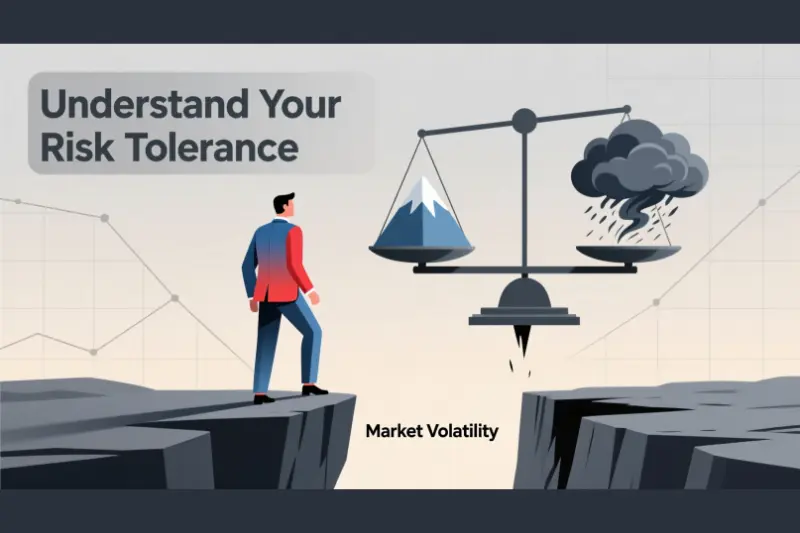
Not everyone reacts to market ups and downs the same way—and that’s okay. Understanding your risk tolerance is one of the most important steps in learning to invest wisely.
Beginners often feel nervous about losing money, which is natural. If you’re just starting, low-risk options like bonds, high-yield savings accounts, or diversified index funds can give you peace of mind while your money grows steadily. On the other hand, experienced investors might be comfortable taking higher risks with stocks or real estate because they understand market fluctuations and have longer time horizons.
Your comfort with risk shapes your decisions. If a sudden market dip would make you panic and sell, it’s a sign you might need safer investments. Conversely, if you can stay calm through short-term drops knowing the market usually recovers, you can explore options with higher growth potential.
Think of it like driving a car: some people prefer slow, steady lanes, while others enjoy the fast lane—but both can reach their destination safely if they follow the rules. The key is knowing your style and choosing investments that match it.
May be you like it:
How Long Does It Take to Learn Day Trading Effectively?
Boost Your Career with an Online Accounting Diploma
Smart Strategies for Generational Wealth Management
What Is a Smart Investment – Simple Guide for Beginners
Diversification: Don’t Put All Eggs in One Basket
Imagine you baked a dozen eggs and carried them all in one basket. If you trip, all your eggs could break. Investing works the same way—putting all your money into a single stock or asset is risky.
Diversification means spreading your investments across different types of assets: stocks, bonds, ETFs, and even real estate. Each type reacts differently to market changes. If one investment drops, others might stay steady or even increase, helping protect your overall portfolio.
For example, during a market slump, stocks might lose value, but bonds or real estate could hold up better. Over time, this balance reduces potential losses and smooths out returns.
Diversification isn’t about chasing the highest returns—it’s about stability and long-term growth. Even small investors can diversify by using low-cost index funds or ETFs, which automatically spread money across hundreds of assets.
Start Small and Be Consistent
You don’t need a fortune to start investing wisely. In fact, even small, regular contributions can grow into a substantial sum over time. The magic behind this is compounding—earning returns on both your original investment and the gains it produces.
For example, imagine putting $100 a month into a diversified index fund. At first, it might not feel like much, but over 10 or 20 years, those small amounts, combined with compounding, can grow significantly. It’s like planting tiny seeds and watching them slowly grow into a strong tree.
The key is consistency. Skipping months or trying to time the market rarely works. By making investing a habit, you take advantage of long-term growth without stressing over short-term ups and downs.
Think of it this way: your future self will thank you more for steady, consistent investments than for occasional “big bets” that might fail.
Research Before You Invest
Investing wisely isn’t about guessing or following the latest trend. It’s about doing your homework before putting your money at risk. Taking time to analyze companies, funds, or markets helps you make informed decisions and avoid costly mistakes.
For example, if you’re considering buying stock in a company, look at its financial health, growth history, and industry trends. For mutual funds or ETFs, check past performance, fees, and diversification. Even a little research goes a long way in separating good opportunities from hype.
Beware of “too-good-to-be-true” schemes or hot tips from social media. Scammers often target beginners with promises of quick profits. Investing wisely means staying cautious, asking questions, and making decisions based on facts, not fear or excitement.
Remember, knowledge is one of the most powerful tools in your investing toolbox. The more you understand, the more confident and strategic your choices will be.
Avoid Emotional Decisions

Markets can be unpredictable, and it’s easy to let emotions take over. Fear during a market drop or excitement during a sudden rise can lead to impulsive decisions that hurt your long-term growth.
For example, selling a stock in a panic after a 10% drop might lock in losses, even though the market could recover over time. On the flip side, chasing “hot stocks” during a hype wave can lead to overpaying and big losses.
A simple way to stay on track is to set practical rules:
- Decide in advance when you’ll sell an investment.
- Stick to your diversified plan, even during volatility.
- Avoid checking your portfolio multiple times a day—it fuels emotional reactions.
Investing wisely isn’t about predicting every market move. It’s about staying calm, disciplined, and focused on your long-term goals. Your future self will thank you for resisting the urge to react impulsively.
May be you like it:
Free Trading Webinar: Learn Smart Market Strategies
Certificate in Business Management Online: Your Career Boost
Smart Generational Wealth Planning for Lasting Legacy
Top Personal Investment Company Tips for Smart Investors
Monitor and Adjust Your Portfolio
Investing wisely doesn’t stop once you’ve made your choices. Your portfolio needs occasional check-ins to make sure it still aligns with your goals. Markets change, life circumstances shift, and your strategy should adapt too.
Tracking performance periodically—say, every quarter or six months—helps you see what’s working and what isn’t. Are certain stocks underperforming? Has one asset grown to take up too much of your portfolio? These insights guide smarter decisions.
Rebalancing is a practical way to keep your investments aligned. For example, if stocks have surged and now make up a larger portion of your portfolio than intended, you might sell a small portion and reinvest in bonds or other assets to maintain balance. This reduces risk and keeps your growth steady over time.
Monitoring and adjusting doesn’t have to be stressful. Even small, thoughtful tweaks can make a big difference in helping your money grow safely.
Leverage Tax-Efficient Strategies
Investing wisely isn’t just about picking the right assets—it’s also about keeping more of what you earn. Taxes and fees can quietly eat into your returns if you’re not careful.
One way to stay smart is by using tax-advantaged accounts. Retirement accounts like IRAs or 401(k)s let your money grow tax-deferred or even tax-free in some cases. For regular investments, consider options like index funds with low turnover to reduce capital gains taxes.
Minimizing unnecessary fees is just as important. High management fees, frequent trading, or hidden charges can chip away at your profits over time. Even small savings here add up significantly in the long run.
By combining smart investment choices with tax-efficient strategies, you make your money work harder for you—without extra effort.
FAQs
What does it mean to invest wisely?
Investing wisely means making smart, informed decisions that align with your financial goals, risk tolerance, and time horizon, rather than chasing trends or acting on impulse.
How do I set financial goals for investing?
Identify your short-term and long-term objectives—like buying a home, building an emergency fund, or saving for retirement—and choose investments that match your timeline and risk comfort.
Why is diversification important?
Diversification spreads your money across different assets (stocks, bonds, ETFs, real estate) to reduce risk. If one investment underperforms, others may balance your portfolio.
How can I start investing with a small budget?
Begin with modest, consistent contributions to low-cost index funds, ETFs, or retirement accounts. Compounding helps these small amounts grow significantly over time.
How do I avoid emotional investment mistakes?
Set clear rules, stick to your long-term plan, and avoid reacting to short-term market swings. Knowledge and discipline help prevent impulsive decisions.
Continuous
Even experienced investors know that learning never stops. The financial world changes constantly—new investment tools, market trends, and regulations appear all the time. Staying informed is a key part of learning to invest wisely.
There are plenty of ways to keep your knowledge fresh. You can follow trusted finance blogs, listen to market podcasts, read books on investing, or consult financial advisors for personalized guidance. Even dedicating just 15–20 minutes a day to learning can make a big difference over time.
Continuous learning doesn’t just improve your returns—it gives you confidence. When you understand your investments, you’re less likely to panic during market swings and more likely to make strategic decisions. Think of it as sharpening your tools before tackling a big project: the better prepared you are, the smoother it goes.
May be you like it:
Stock Market for Beginners PDF – Your Simple Starter Guide
Top MBA Certificate Programs Online for Career Growth
