


Introduction to Generational Wealth Planning
When most people hear the term generational wealth planning, they imagine billion-dollar estates, complex trusts, and elite families with endless resources. The truth is, generational wealth planning isn’t reserved for the ultra-rich. It’s about creating a framework today that allows your family to thrive tomorrow – financially, emotionally, and even in habits and values.
At its core, generational wealth planning is simply making intentional decisions about money, assets, and knowledge so that future generations inherit more than just a bank balance. It’s about planting seeds now that grow into financial stability, confidence, and opportunities for your children and grandchildren.
One of the biggest misconceptions is that you need massive wealth to start. In reality, even small, consistent steps – like building savings, teaching financial literacy, or protecting assets – can compound into a meaningful legacy over time. Think of it as leaving your family not just dollars, but the tools to grow those dollars wisely.
Beyond finances, generational wealth planning carries emotional and practical value. It reduces stress in tough times, prevents family conflicts over money, and gives your loved ones a roadmap for handling resources responsibly. Imagine the peace of mind knowing that your hard work today will support your family’s dreams and security for years to come.
Table of Contents
The Importance of Building a Strong Financial Foundation
Before you start thinking about trusts, investments, or complex estate plans, the foundation of generational wealth planning is simple: your financial basics. Without a strong base, even the most sophisticated strategies can crumble under pressure.
Savings and Emergency Funds
A solid savings habit is more than just money in the bank – it’s peace of mind. An emergency fund acts like a financial shock absorber for life’s unexpected events: medical bills, sudden home repairs, or temporary job loss. Families that maintain even a modest emergency fund avoid unnecessary debt and create stability that future generations can rely on.
Example: I once spoke to a young family who faced a sudden medical expense. Because they had just a few months of living expenses saved, they handled the situation without borrowing or selling assets. That small step gave them confidence – and prevented the stress from spilling over into their long-term plans.
Debt Reduction
High-interest debt is one of the biggest barriers to wealth building. Credit card balances or personal loans with high rates eat away at potential investments and create stress that can ripple through the family. Paying off debt first may feel slow, but it sets the stage for sustainable wealth growth.
Why Basics Matter More Than Flashy Investments
It’s easy to be dazzled by stories of people making millions overnight with stocks, crypto, or real estate flips. But the truth is, consistent, disciplined financial habits often outperform flashy investments in the long run. A family with strong savings, low debt, and steady contributions to basic investments will almost always have a more secure foundation for wealth to grow across generations.
Investing for the Long Term

Once your financial foundation is solid, the next step in generational wealth planning is learning how to make your money work for you over time. The key isn’t chasing the hottest stock or trying to “time the market.” It’s about consistency, patience, and smart choices that compound over years.
Consistent Contributions vs. Timing the Market
Many people fall into the trap of waiting for the “perfect moment” to invest. The problem? That perfect moment rarely exists. History shows that steady, regular contributions – even small amounts – often outperform attempts to predict market highs and lows.
Example: A family that invests $100 per month in a low-cost index fund over 20 years will likely see more stable growth than someone trying to buy and sell based on news headlines or trends. The magic here isn’t luck; it’s compounding over time.
Types of Investments Suitable for Wealth Growth
Not every investment fits every family, but some options have proven long-term effectiveness:
- Index Funds & ETFs: Low-cost, diversified, and historically consistent growth.
- Retirement Accounts (401k, IRA): Tax advantages make these powerful tools for long-term wealth.
- Real Estate: Can provide both passive income and property value appreciation.
- Bonds & Fixed Income: Lower risk options to balance a portfolio and protect wealth.
Mini insight: Teaching your family how to invest, even in small amounts, passes down knowledge as well as money. Watching a portfolio grow over time is a lesson children rarely forget.
May be you like it:
Top 10 Best Trading YouTube Channels to Follow in 2025
Funding an LLC: Easy Ways to Get Startup Money
Family Wealth Strategy – Build and Protect Your Legacy
Invest Wisely: Smart Tips for Growing Your Money
Knowledge Transfer and Financial Literacy
Money alone isn’t enough to create a lasting legacy. One of the most powerful components of generational wealth planning is passing down financial knowledge. Teaching your children or younger family members how to manage money ensures that the wealth you build doesn’t disappear in the next generation.
Teaching Budgeting, Investing, and Money Habits
It’s easy to think lessons happen in classrooms, but the most impactful financial education happens at home. Simple practices can make a huge difference:
- Budgeting: Show your children how to track spending and differentiate between needs and wants.
- Investing: Even small contributions to an investment account can teach patience and the power of compounding.
- Smart Spending Habits: Demonstrate prioritizing long-term goals over short-term gratification.
Example: A parent who involves a teenager in monthly budget reviews often notices that child starts saving, investing, and making thoughtful choices on their own. These skills carry into adulthood and multiply any inheritance they eventually receive.
How Education Multiplies Inherited Wealth
Passing down money without knowledge is risky – it can be spent quickly or mismanaged. Passing down knowledge, however, amplifies the impact of your wealth. A $10,000 inheritance paired with strong financial habits can grow and compound into a sustainable resource over decades.
Mini insight: Families who openly discuss money often see children starting businesses, investing early, or avoiding common financial mistakes – all thanks to early exposure to smart financial thinking.
Estate Planning Essentials
A key part of generational wealth planning is ensuring that your assets and wishes are clearly documented. Estate planning isn’t just for the wealthy – it’s about protecting your family, avoiding unnecessary stress, and making sure your hard work today actually benefits the people you care about tomorrow.
Wills, Property Distribution, and Updates
A will is the simplest and most effective way to outline who gets what. Even if your estate isn’t enormous, having a clear plan prevents misunderstandings and ensures your property, savings, and other assets are handled according to your wishes.
Example: I spoke with a family who didn’t update a will for over a decade. After a sudden loss, relatives disagreed on the division of a small property, causing months of conflict and legal fees that could have been avoided with a current, clear will.
It’s important to review and update your estate plan regularly – especially after major life events like marriage, having children, or significant financial changes. Doing so keeps everything aligned with your current circumstances.
How to Avoid Family Conflicts and Confusion
Open communication is as crucial as the documents themselves. Sharing your intentions, explaining your reasoning, and involving family members in discussions can prevent misunderstandings and disagreements later.
Mini tip: Some families schedule an informal “estate planning discussion” over dinner or a casual meeting, making it less intimidating while still ensuring everyone knows the plan.
Trusts and Asset Protection
As part of generational wealth planning, trusts are one of the most powerful tools for protecting your family’s assets. They do more than just hold money – they ensure your wealth is managed according to your wishes, even in unexpected situations.
Purpose of Trusts for Minors or Vulnerable Family Members
A trust allows you to designate how and when assets are distributed. For example, if you have children or grandchildren who are too young to manage large sums responsibly, a trust ensures they receive funds gradually or under conditions you set.
Example: A family I worked with set up a trust for their grandchildren with annual distributions for education and personal development. This prevented the children from receiving a lump sum too early, while still giving them access to opportunities for growth.
Trusts are also useful for family members who may have special needs or require financial protection from outside influences. It’s a way of providing support without putting them at risk.
How to Safeguard Wealth from Taxes or Creditors
Properly structured trusts can reduce tax burdens and protect assets from claims by creditors. This doesn’t mean avoiding legal responsibilities – it means smart planning that maximizes what your family actually keeps.
Mini insight: Many families lose a surprising amount of wealth because they overlook asset protection. A small upfront investment in legal guidance can save decades of wealth erosion and family stress.
Insurance as a Safety Net

In generational wealth planning, insurance often gets overlooked, but it’s one of the most practical ways to protect your family from financial setbacks. Think of it as a safety net: it may not grow your wealth, but it ensures that unforeseen events don’t erase the foundation you’ve built.
Life, Health, and Disability Insurance
Different types of insurance serve different purposes:
- Life insurance provides financial support to your family if something unexpected happens to you.
- Health insurance helps cover medical costs that could otherwise drain savings.
- Disability insurance replaces income if you’re unable to work, keeping your household stable.
Even basic policies can prevent small emergencies from turning into major financial crises.
Real-Life Examples of Preventing Financial Collapse
I once met a family who faced a sudden accident that left the primary earner unable to work for months. Because they had disability insurance, their mortgage, bills, and children’s education remained intact – no savings depleted, no stressful borrowing needed.
Another family had life insurance that allowed the surviving spouse to pay off the house and maintain the children’s schooling, avoiding a situation where wealth and stability would have vanished overnight.
Mini insight: Insurance isn’t glamorous, but it’s a quiet hero in every successful generational wealth plan. Without it, even careful financial planning can be wiped out by unexpected events.
May be you like it:
Top Finance Webinars to Boost Your Money Skills
My Funding Choice: Find the Best Way to Finance Your Goals
Wealth and Success – Habits That Transform Your Future
Invest Criteria: How to Choose Smart Investments
Family Communication and Transparency
One of the most underestimated aspects of generational wealth planning is how you talk about money. You can have the perfect savings, investments, and legal documents, but without clear communication, even the best plans can lead to confusion or conflict.
Casual vs. Formal Financial Discussions
Not every conversation about money needs to be a formal meeting with spreadsheets and agendas. Sometimes, a casual chat over dinner or during a weekend drive is enough to start important conversations.
Formal discussions, like annual financial reviews or estate planning meetings, are still valuable for clarity, especially as your family grows or circumstances change. The key is balance – keeping money talks approachable but thorough enough to avoid misunderstandings.
Example: A family I worked with started monthly “finance check-ins” with their adult children. At first, it was awkward, but over time, the discussions became natural. The children felt informed, confident, and included in decisions that affected their future.
Benefits of Open Dialogue and Shared Goals
Transparency builds trust. When family members understand the plan, they’re less likely to mismanage inherited assets, argue over resources, or feel uncertain about the future. Shared goals also align priorities, making decisions about spending, saving, or investing collaborative rather than contentious.
Mini insight: Open financial communication doesn’t just prevent mistakes – it creates a culture of financial responsibility, which often lasts longer than the wealth itself.
Flexibility and Annual Review of Plans
Even the best generational wealth planning isn’t set in stone. Life changes – jobs, markets, family dynamics – and your plan should change with them. Flexibility is what keeps your legacy on track instead of letting it unravel when unexpected events occur.
Adjusting Strategies for Life Events or Market Shifts
Major life events like marriage, having children, career changes, or buying a home often require updates to your financial plan. Market fluctuations can also impact investments, taxes, or retirement projections. Regularly reviewing your plan allows you to adapt without panic, ensuring your strategy remains realistic and effective.
Example: A family who reviewed their plan after a market downturn realized they needed to slightly adjust contributions to their investments and update their emergency fund. By doing so, they avoided panic selling and kept their long-term goals intact.
Keeping Plans Realistic and Adaptable
Rigid plans can be stressful and counterproductive. Generational wealth planning works best when it allows room for change. Even small tweaks each year – like reallocating investments, updating beneficiaries, or adjusting savings goals – can have a huge impact over decades.
Mini insight: Think of your plan as a living document, not a one-time task. Annual check-ins make sure it grows with your family and continues to serve your long-term vision.
Actionable Steps and Mindset for Legacy Building
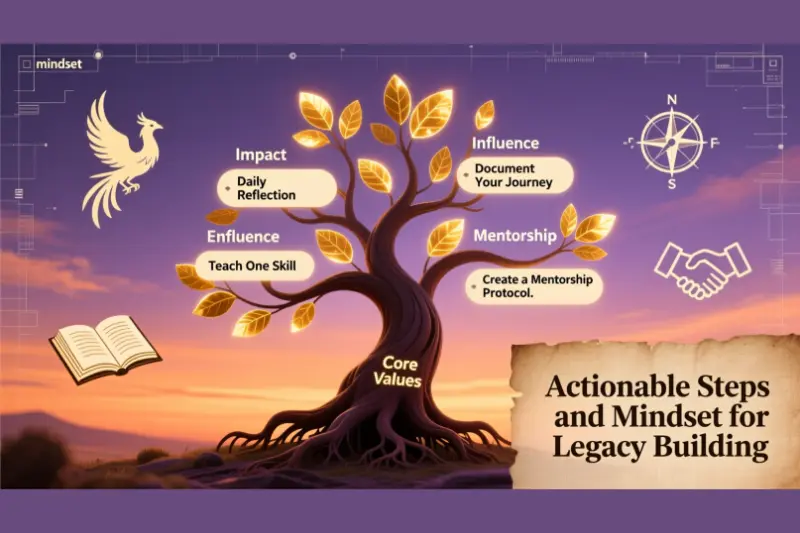
All the strategies in generational wealth planning are powerful, but without consistent action, they remain ideas on paper. Building a lasting legacy is less about sudden windfalls and more about small, intentional habits that accumulate over time.
Small, Intentional Habits That Grow Over Time
Simple practices, repeated consistently, can create enormous long-term impact:
- Automate savings and investments: Even $50–$100 a month adds up over decades.
- Teach financial literacy regularly: Short, practical lessons for your children or younger family members go a long way.
- Review and adjust your plan annually: Life changes, and your plan should reflect that.
- Protect assets with insurance and trusts: Avoid unnecessary loss and ensure wealth reaches the right people.
Mini insight: Many families underestimate the power of consistency. A small habit repeated daily or monthly often outweighs one-time big decisions or investments. It’s like planting seeds and watering them regularly – growth is slow at first but becomes unstoppable over time.
Reflective Questions to Inspire Long-Term Planning
- Which one habit could you start this week that will benefit your family for generations?
- Are there financial lessons you can teach your children that would give them a head start in life?
- How can you make your wealth plan flexible enough to adapt to unexpected events?
By focusing on small, intentional actions and cultivating the right mindset, you’re not just passing down money – you’re passing down stability, knowledge, and opportunity. That’s the true essence of a lasting legacy.
FAQs on Generational Wealth Planning
What is generational wealth planning?
Generational wealth planning is creating a strategy to pass on assets, knowledge, and financial habits to future generations, ensuring long-term family security.
Do I need to be rich to start generational wealth planning?
No. Even small savings, consistent investing, and teaching financial literacy can create a lasting legacy over time.
How can I protect my family’s wealth?
Using tools like wills, trusts, insurance, and smart estate planning helps safeguard assets from taxes, creditors, or unexpected events.
Why is teaching financial knowledge important?
Money without understanding can be spent quickly. Passing down financial literacy multiplies the impact of any inheritance.
How often should I review my wealth plan?
At least once a year or after major life events to keep your plan flexible, realistic, and aligned with your family’s goals.
Conclusion
Generational wealth planning isn’t about flashy investments or waiting to become ultra-rich. It’s about making intentional choices today that give your family security, knowledge, and opportunities for tomorrow. By building a strong financial foundation, investing consistently, protecting assets, and passing down financial wisdom, you’re creating a legacy that lasts far beyond your lifetime.
Remember, the most powerful part of this process isn’t just money – it’s the habits, values, and mindset you pass along. Small, consistent actions combined with open communication and flexibility can turn even modest beginnings into a meaningful family legacy.
May be you like it:
Best Day Trading Setup – Simple Strategies That Work
Business Finance Definition Made Easy for Understanding Info
