


Introduction
Investing your money can feel like navigating a maze, especially when you’re not sure who to trust. That’s where investment companies best suited for your goals come in-they act like guides, helping your money grow while you focus on living your life.
So, what exactly are investment companies? Simply put, they are firms that manage, advise, and invest money on behalf of individuals or organizations. They can offer services ranging from buying stocks and bonds to managing retirement accounts and creating tailored portfolios. Think of them as professional partners who know the financial landscape better than most of us.
Choosing the right investment company matters more than you might think. Imagine handing your savings to someone who seems professional but charges hidden fees or pushes risky investments that don’t match your goals. Your money could shrink instead of grow. On the other hand, a reliable firm with a proven track record can help you build wealth steadily, give confidence in your decisions, and even teach you along the way.
Mini Example:
I know someone who started investing with a flashy online platform just because it was popular. Within a year, the lack of guidance and high fees ate into their returns. Switching to a transparent, reputable company made a huge difference-not just in growth, but in peace of mind.
Reflective Question:
Have you ever wondered how much smoother your financial journey could be with the right partner guiding your investments?
Table of Contents
Why Selecting the Best Investment Company is Crucial
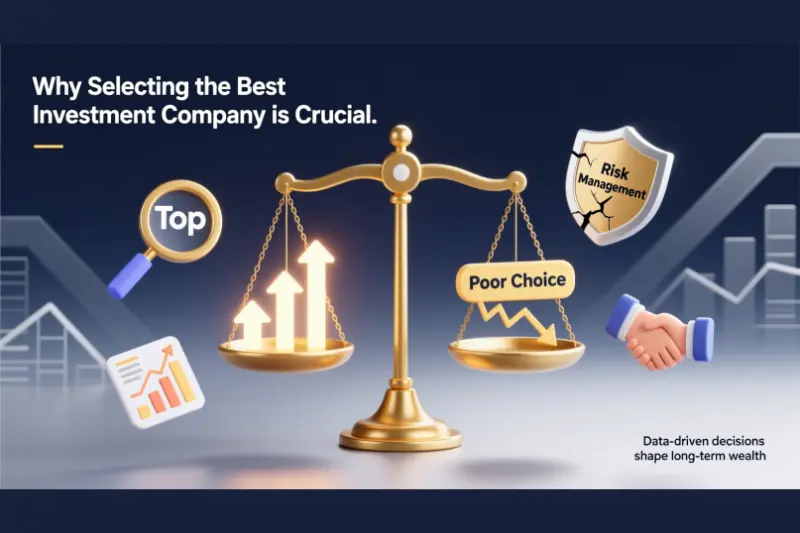
When it comes to your money, the company you choose isn’t just a service-it can make or break your financial journey. That’s why finding the investment companies best suited for your goals is so important. The wrong choice can quietly drain your returns, while the right one can help your savings grow steadily and give you confidence in every decision.
Impact on Returns, Fees, and Confidence
Your investment returns don’t exist in a vacuum. High fees, poor advice, or limited options can eat into your profits over time. Even a 1% higher annual fee might not sound like much, but over a decade, it can cost thousands. Meanwhile, working with a trustworthy company not only improves potential returns but also boosts your financial confidence. You’ll feel empowered making decisions instead of second-guessing every move.
Real-Life Scenarios
Consider this: a friend of mine chose a trendy platform because everyone seemed to be using it. At first, it felt exciting, but hidden charges and aggressive recommendations left them frustrated and with smaller gains than expected. On the flip side, another acquaintance partnered with a well-reviewed firm that explained each step clearly. Over five years, not only did their portfolio grow steadily, but they also felt in control, learning smart strategies along the way.
Mini Insight:
Investing isn’t just about numbers-it’s about trust. Picking the right investment company can save you money, reduce stress, and help you make smarter financial decisions over the long term.
Reflective Question:
Would you rather gamble with your savings or partner with a company that has a proven track record of steady growth?
May be you like it:
How Long Does It Take to Learn Day Trading Effectively?
Boost Your Career with an Online Accounting Diploma
Smart Strategies for Generational Wealth Management
What Is a Smart Investment – Simple Guide for Beginners
How to Identify the Best Investment Companies
Finding the investment companies best for your needs isn’t just about browsing a list or picking the flashiest name. It takes a bit of research, common sense, and knowing what really matters when your money is on the line.
Experience, Reputation, and Transparency
First, look for firms with a solid track record. Experience matters-companies that have navigated market ups and downs for years tend to handle risk more wisely. Reputation is equally important. Check client reviews, regulatory records, and even news mentions. A company that’s upfront about fees, strategies, and potential risks shows transparency, which is critical for building trust. If they hide information or make things confusing, it’s a red flag.
Mini Example:
I once spoke to someone who invested through a firm without checking their history. A sudden market dip revealed gaps in their guidance, costing both money and confidence. Companies that prioritize transparency would have prevented that shock.
Range of Investment Options
Next, consider the variety of investment options. The best investment companies don’t force you into a one-size-fits-all plan. They offer flexibility-stocks, bonds, ETFs, mutual funds, retirement accounts, or even socially responsible investments. A wider range allows you to diversify, manage risk, and tailor your portfolio to match your personal goals.
Reflective Question:
Do you want a company that guides you with flexibility, or one that locks you into a rigid plan? Your future returns could depend on it.
Types of Investment Companies
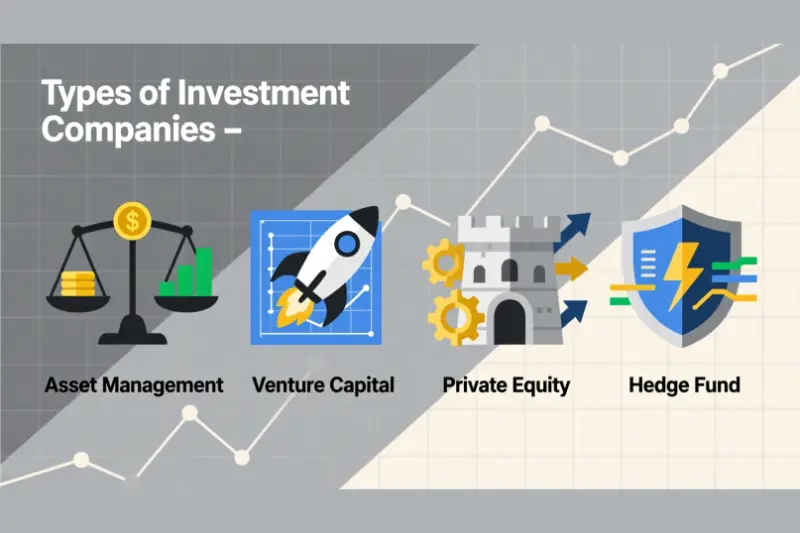
Not all investment companies are the same. Understanding the main types can help you choose the investment companies best suited for your goals, risk tolerance, and level of involvement. Here’s a closer look at the most common options:
Full-Service Brokerage Firms
These companies offer personalized guidance, research reports, and portfolio management. They’re ideal if you want a hands-on approach and someone to explain every step. Big names like Vanguard, Fidelity, and Charles Schwab fall into this category.
Mini Example:
A client I know wanted tailored advice for retirement planning. Working with a full-service brokerage gave them a clear plan, regular check-ins, and confidence in adjusting their portfolio during market fluctuations.
Robo-Advisors
Robo-advisors use algorithms to manage investments automatically based on your goals and risk level. They’re perfect for beginners or anyone who prefers a low-cost, automated approach. Examples include Betterment and Wealthfront.
Mini Insight:
Robo-advisors are convenient-you set your preferences, and the system handles diversification, rebalancing, and even tax optimization. It’s like having a financial assistant without the high fees.
Mutual Fund Companies
Mutual fund companies pool money from multiple investors to create diversified portfolios. They’re great if you want exposure to multiple assets without picking each stock or bond yourself. These firms usually provide professional management and research-backed strategies.
Reflective Question:
Do you prefer a fully personalized experience, automated guidance, or a diversified pooled approach? Knowing your style helps you pick the right type of company.
Investment Options and Services Offered
Once you know the type of investment company you want, the next step is understanding the options and services they provide. Choosing the investment companies best for your goals isn’t just about reputation-it’s also about whether they offer the tools and products that fit your financial strategy.
Stocks, Bonds, ETFs, and Retirement Accounts
Most investment companies provide a range of options:
- Stocks: Direct ownership in companies. Great for growth, but comes with higher risk.
- Bonds: Loans to governments or corporations that pay interest. Safer, with steadier returns.
- ETFs (Exchange-Traded Funds): A mix of assets bundled together. Low cost and good for diversification.
- Retirement Accounts: IRAs or 401(k)s that provide tax benefits and long-term growth.
Mini Example:
A friend of mine started with a mix of ETFs and bonds. It wasn’t flashy, but over time, the balanced approach helped them grow savings steadily without sleepless nights during market dips.
Portfolio Management and Advisory Services
Beyond products, many firms offer guidance and portfolio management. Advisors can help you create a strategy tailored to your goals, rebalance your investments as needed, and suggest ways to minimize taxes. For beginners, this support can be a game-changer.
Reflective Question:
Would you rather figure out your investments alone or have a trusted partner guiding you through each step? The right services can make all the difference.
Fees and Transparency Matter
When evaluating investment companies best for your money, fees and transparency are just as important as returns. Even a small percentage in hidden costs can quietly eat into your wealth over time, and confusing fee structures can make it hard to see what you’re actually paying for.
How Fees Impact Long-Term Returns
Let’s break it down: imagine two companies offering similar portfolios. One charges 0.5% in fees, the other 1.5%. Over 10 years, that extra 1% can cost tens of thousands of dollars, depending on your investment size. It’s not just numbers on a page-it’s real money that could have gone toward your financial goals.
Mini Example:
A colleague of mine initially chose a platform that seemed cheap but had hidden maintenance and trade fees. After reviewing their statements, they realized they were losing more than anticipated. Switching to a transparent company with clearly stated costs improved their net returns significantly.
Comparing Costs Across Different Firms
Transparency isn’t just about fees-it’s about clarity in strategy, risk, and expected outcomes. When comparing companies:
- Look at expense ratios, trading fees, and account maintenance costs.
- Check for hidden charges like early withdrawal penalties or advisory fees.
- Compare what services you get for the price-sometimes paying slightly more upfront saves money and stress later.
Reflective Question:
Would you trust a company that hides its costs, or one that clearly shows exactly what you’re paying and why? Knowing this upfront can save headaches and improve long-term results.
May be you like it:
Free Trading Webinar: Learn Smart Market Strategies
Certificate in Business Management Online: Your Career Boost
Smart Generational Wealth Planning for Lasting Legacy
Top Personal Investment Company Tips for Smart Investors
Tips for Maximizing Investment Returns
Even when you choose the investment companies best for your needs, your money won’t grow magically. Smart strategies and small habits can make a huge difference over time. Here are some practical tips to help your investments work harder for you.
Diversification
Don’t put all your eggs in one basket. Spread your money across different assets-stocks, bonds, ETFs, or mutual funds-to reduce risk. Diversification helps protect your portfolio when one market segment dips while others hold steady.
Mini Example:
A friend who invested solely in tech stocks saw a sharp drop during a market correction. Another investor who diversified across sectors and bonds barely noticed the hit, keeping their long-term growth on track.
Start Early
Time is one of the most powerful tools in investing. Compounding allows your earnings to generate their own returns. Even small monthly contributions can grow significantly over years.
Tax-Efficient Investments
Using tax-advantaged accounts like IRAs or 401(k)s can help you keep more of your earnings. ETFs and index funds also tend to be more tax-friendly than actively traded mutual funds. Paying attention to taxes isn’t glamorous, but it can boost your net returns substantially.
Regular Portfolio Reviews
Markets change, and so do your goals. Checking your portfolio at least once a year ensures it still aligns with your risk tolerance and objectives. Adjustments don’t have to be drastic-sometimes small tweaks are enough to stay on track.
Reflective Question:
Have you thought about how simple habits like diversifying or reviewing your portfolio could change your financial future over the next 5–10 years?
Questions to Ask Before Choosing a Company
Choosing the investment companies best for your money isn’t just about picking a name with a fancy website. Asking the right questions upfront can save you headaches, protect your savings, and help you make confident decisions.
Minimum Investments, Strategies, and Historical Performance
Start by understanding the basics:
- Minimum investments: Some firms require thousands to get started, while others let you begin with a few hundred dollars. Make sure it fits your budget.
- Investment strategies: Ask how they approach growth, risk, and diversification. Do they favor long-term stability or short-term gains?
- Historical performance: While past results don’t guarantee future returns, consistent performance through different market conditions is a good sign of reliability.
Mini Example:
I spoke with a beginner investor who didn’t ask about minimums and tried a platform requiring a high initial balance. They ended up locked into investments they weren’t ready for, causing unnecessary stress. A quick conversation about minimums and strategies would have prevented that.
Tools and Support Available
Next, explore the resources they offer:
- Online dashboards, portfolio tracking tools, or mobile apps
- Educational materials, webinars, or market insights
- Customer support or access to a personal advisor
The right tools can make investing easier, while solid support ensures you’re never left confused when markets fluctuate.
Reflective Question:
If you had access to clear tools and expert guidance, how much more confident would you feel managing your investments?
Common Mistakes to Avoid
Even when you choose from the investment companies best, mistakes can slip in if you’re not careful. Being aware of common pitfalls can save money, stress, and time as you grow your wealth.
Chasing High-Risk Trends
It’s tempting to jump on “hot” stocks or trendy investments, especially when friends or the news hype them up. The problem is, these often carry high risk and can lead to big losses if the market shifts. Long-term growth usually comes from steady, well-thought-out strategies, not chasing the latest fad.
Ignoring Fees and Hidden Costs
Even small fees can quietly eat into your returns. Some platforms advertise low rates but hide charges in fund management or trades. Always review fee structures carefully to avoid surprises. Remember, transparency is part of what makes an investment company reliable.
Overlooking Personal Goals and Risk Tolerance
Every investor is different. What works for one person may not suit another. Investing without considering your personal goals or comfort with risk can lead to stress and poor decisions. A good company will help align your investments with your objectives and risk level.
Mini Insight:
I’ve seen beginners chase high-growth stocks and panic during market dips. They switched to a diversified portfolio with a trusted firm and finally felt in control-while still growing their savings steadily.
Reflective Question:
Are you investing based on hype, or are your decisions aligned with your personal goals and comfort level?
FAQs
What are investment companies?
Investment companies manage money on behalf of individuals or organizations, offering stocks, bonds, ETFs, and other investment options to help grow your wealth.
How do I find the best investment company?
Look for experience, reputation, transparency, and the types of services they offer. Compare fees, investment options, and client support before deciding.
What types of investment companies exist?
There are full-service brokerage firms, robo-advisors, and mutual fund companies-each offering different levels of guidance, automation, and investment options.
How do fees affect my returns?
Even small fees can add up over time. Hidden or high charges reduce your long-term growth, so choose companies that are transparent about costs.
What mistakes should I avoid when investing?
Avoid chasing high-risk trends, ignoring fees, and overlooking your personal goals or risk tolerance. Smart, steady investing usually works better long-term.
Conclusion
Finding the investment companies best for your money isn’t about rushing or picking the flashiest option-it’s about making informed choices that match your goals, risk tolerance, and financial style. From understanding the types of companies and the investment options they offer to watching fees and asking the right questions, every step matters.
Key Takeaways:
- Look for experience, reputation, and transparency.
- Consider the types of companies-full-service brokers, robo-advisors, or mutual fund firms.
- Pay attention to investment options, advisory services, and tools provided.
- Always review fees, costs, and long-term impacts on returns.
- Use smart strategies: diversify, start early, and review your portfolio regularly.
- Avoid common mistakes like chasing trends or ignoring personal goals.
The next step is simple: research a few companies, compare their offerings, and see which aligns best with your financial goals. Even starting small can set you on a path toward steady growth and confidence in your investments.
Mini Insight:
Investing isn’t a one-time decision-it’s a journey. With the right company guiding you, your money can grow steadily while you learn, adapt, and achieve your financial goals.
Reflective Question:
Which company will you explore first to start building a smarter, more secure financial future?
May be you like it:
Stock Market for Beginners PDF – Your Simple Starter Guide
Top MBA Certificate Programs Online for Career Growth
