


Introduction
When you first hear about day trading, it often sounds like a fast track to wealth-people imagine big profits in just days or weeks. But here’s the truth: how long does it take to learn day trading isn’t about speed; it’s about understanding the process and building the right skills. Jumping in without knowing the timeline can lead to frustration, emotional burnout, or worse-losing money before you’ve even grasped the basics.
Learning day trading matters because it’s not just about clicking “buy” and “sell.” It’s about reading the markets, spotting patterns, managing risks, and controlling your emotions under pressure. When you have a realistic sense of how long it takes to develop these skills, you can plan better, practice more effectively, and avoid the common pitfalls that trap beginners.
Think of it like learning to drive a high-performance car: you wouldn’t just sit in the driver’s seat and floor it on the freeway. You’d start with the basics, understand how the vehicle handles, practice under controlled conditions, and only then tackle challenging roads. Day trading works the same way-the journey is just as important as the destination, and understanding the timeline is your first step toward success.
Table of Contents
What Day Trading Really Involves
At its core, day trading is buying and selling financial assets-stocks, crypto, forex-within the same trading day. The goal isn’t to hold long-term but to capitalize on short-term price movements. Sounds simple, right? But as many beginners quickly discover, there’s more to it than just hitting “buy” and “sell.”
To succeed, you need a mix of skills and mindset. First, there’s technical knowledge: reading charts, understanding candlesticks, recognizing trends, and knowing how different indicators interact. You also need risk management skills-deciding how much to trade, setting stop-losses, and knowing when to walk away. Without these, even a winning strategy can fail.
Equally important is the psychology of trading. Emotional discipline separates profitable traders from the rest. Fear, greed, or impatience can make you exit trades too early or hold onto losses longer than you should. Developing patience, self-control, and confidence in your strategy is as critical as any technical skill.
In short, day trading is a combination of knowledge, strategy, and mental toughness. Understanding what it truly involves helps you appreciate why how long it takes to learn day trading varies-because it’s not just about memorizing techniques, it’s about shaping habits and thinking like a trader.
The Learning Stages of Day Trading
Learning day trading isn’t an overnight process-it unfolds in stages, each building on the one before. Knowing these stages helps you set realistic expectations and keeps frustration at bay when things don’t click immediately.
The Basics
This is where you get familiar with charts, candlesticks, indicators, and order types. You’ll learn the language of the markets-what a support line means, how a moving average works, or what volume signals. Most beginners can grasp the basics within a few weeks if they dedicate consistent daily practice. At this stage, the focus isn’t profit; it’s understanding how the market moves.
Intermediate Skills
Once you know the basics, the next stage is developing strategies, spotting patterns, and managing risk in live (or demo) trades. Here’s where emotional control becomes crucial-you’ll experience small losses and gains, and how you react teaches more than any textbook could. This stage often takes 6–12 months of consistent practice, and your goal is to trade with confidence while learning from every mistake.
Consistent Profitability
The final stage is achieving consistent profitability, where your trades reflect both skill and discipline. Most traders reach this after 1–3 years of dedicated effort, depending on time commitment and learning quality. By now, you’ve internalized strategies, mastered risk management, and developed the mental resilience to handle market swings without panic.
Think of it like climbing a staircase: each step requires effort and focus, and rushing won’t get you to the top faster-it might even make you stumble. Understanding these stages gives you a clear perspective on how long it takes to learn day trading and why patience is as important as knowledge.
May be you like it:
Top 10 Best Trading YouTube Channels to Follow in 2025
Funding an LLC: Easy Ways to Get Startup Money
Family Wealth Strategy – Build and Protect Your Legacy
Invest Wisely: Smart Tips for Growing Your Money
Factors That Affect How Quickly You Learn
Not everyone learns day trading at the same pace. Several factors can speed up-or slow down-your journey, and understanding them helps you set realistic expectations.
- Time Commitment
It’s simple: the more hours you spend learning and practicing, the faster you’ll progress. Someone trading a few hours a week will naturally take longer to reach proficiency than a person dedicating several focused hours every day. But quality matters just as much as quantity-mindless clicking isn’t learning. - Education Quality
Where you learn matters a lot. Books, online courses, webinars, and mentorships can drastically shorten the trial-and-error period if the resources are credible. Avoid hype-filled “get rich quick” programs-they waste time and can teach bad habits. Learning from experienced traders or well-structured courses makes a real difference. - Trading Style
Your chosen style affects the learning curve. Scalping demands rapid decisions and attention to minute-to-minute changes, which can take longer to master. Swing trading, on the other hand, involves slower, trend-based decisions and may feel easier for beginners. Understanding which style fits your personality can save months of frustration. - Emotional Control
This is often the hidden factor that determines success. Even if you know all the strategies, a single fear-driven or greedy decision can wipe out gains. Developing patience, discipline, and the ability to stick to your plan under stress takes time but dramatically affects how quickly you progress.
In short, your pace in mastering day trading isn’t fixed-it’s influenced by how much time you invest, the quality of your learning, your trading approach, and your mental resilience. Recognizing these factors early helps you navigate the journey more effectively.
The Role of Practice and Experience
Day trading isn’t a subject you can fully grasp from books or videos alone. The real learning happens when you actually practice, make decisions, and-yes-sometimes make mistakes. Experience is the teacher that no course can replace.
- Using Demo Accounts
Before risking real money, most beginners start with demo accounts. These let you test strategies, understand market mechanics, and practice timing trades without financial risk. Think of it as a flight simulator for pilots-you’re building muscle memory and decision-making skills in a safe environment. The key is to treat it seriously; pretend it’s real money, because that’s the mindset you’ll need later. - Tracking Trades and Learning from Mistakes
One of the most valuable habits successful traders adopt early is journaling. Every trade should include: why you entered, why you exited, the outcome, and how you felt during the process. Over time, patterns emerge-perhaps you consistently exit too early, or maybe you take on too much risk when nervous. Recognizing these tendencies is priceless, because awareness allows you to correct them.
Practice isn’t just about repetition-it’s about reflection. The more you trade, track, and analyze, the faster your learning curve becomes. This is why how long it takes to learn day trading can vary so widely: experience shapes both skill and confidence, and both are essential for success.
Psychology and Discipline in Day Trading
You can have all the strategies and technical knowledge in the world, but if your mind isn’t in the right place, success will remain out of reach. Day trading is as much a mental game as it is a skill-based one.
- Emotional Control and Avoiding Impulsive Decisions
Markets are unpredictable, and prices can swing wildly in minutes. Fear and greed often drive beginners to make impulsive moves-buying a stock too high because of hype or holding onto a losing trade in the hope it will rebound. These split-second decisions can undo weeks of learning. Developing emotional control means trusting your strategy, sticking to your plan, and not letting short-term swings dictate your actions. - Importance of Patience and Consistency
Consistency is underrated. Many new traders want to see results immediately, but progress in day trading is incremental. Patience allows you to focus on process rather than outcome-following your rules, executing trades methodically, and learning from each decision. Over time, this disciplined approach compounds into skill and profitability.
Think of it like training for a marathon. You don’t sprint the first mile and expect to finish strong. You pace yourself, respect the process, and stay mentally focused throughout. The same principle applies to trading: patience, emotional control, and disciplined execution are key factors in how long it takes to learn day trading effectively.
May be you like it:
Top Finance Webinars to Boost Your Money Skills
My Funding Choice: Find the Best Way to Finance Your Goals
Wealth and Success – Habits That Transform Your Future
Invest Criteria: How to Choose Smart Investments
Common Mistakes Beginners Make
Day trading can be exciting, but beginners often fall into traps that slow their learning curve-or even cause financial losses. Recognizing these mistakes early can save time, money, and stress.
- Jumping In Too Fast
One of the most common errors is thinking you can jump straight into live trading without preparation. Many beginners see flashy success stories online and assume it’ll be the same for them. The reality? Without understanding charts, indicators, and risk management, you’re essentially gambling. Taking time to learn the basics and practice in a demo account pays off in the long run. - Ignoring Risk Management
It’s easy to get caught up in potential profits and forget about protecting your capital. Risk management isn’t glamorous, but it’s critical. Setting stop-losses, determining position size, and knowing when to exit a trade can mean the difference between surviving another week in the market or wiping out your account. - Chasing Profits Without a Strategy
Some beginners hop from one “hot tip” to another, chasing quick profits without a clear plan. This approach is exhausting and rarely profitable. Trading without a strategy is like sailing without a compass-you might move fast, but you’ll drift aimlessly. Developing and sticking to a tested strategy, even a simple one, is essential for long-term growth.
Avoiding these mistakes isn’t about eliminating all risk-it’s about learning smarter, faster, and more intentionally. Awareness of these pitfalls helps you progress along the path of how long it takes to learn day trading, and it keeps your journey safer and more sustainable.
Strategies to Speed Up Your Learning Curve
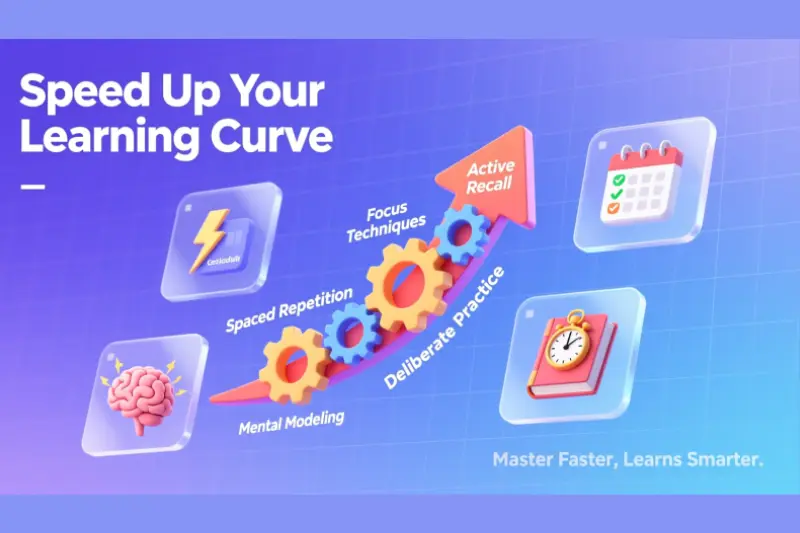
Learning day trading can feel overwhelming at times, but there are practical strategies to make the journey faster, more focused, and less stressful.
- Follow One Strategy at a Time
Many beginners make the mistake of trying to master multiple trading styles or strategies simultaneously. It’s tempting, but it often leads to confusion and inconsistent results. Focus on one approach, understand it deeply, and refine it until you feel confident. Once you’ve mastered it, adding another strategy becomes much easier. - Leverage Credible Resources and Mentorship
Not all information is created equal. Books, online courses, webinars, and experienced mentors can save years of trial and error-if they’re trustworthy. Avoid hype-filled “get rich quick” programs. Instead, learn from sources with proven track records and transparent methods. A mentor who can give feedback on your trades can accelerate your learning far more than studying alone. - Journaling and Self-Reflection
Keeping a trading journal is one of the most powerful tools for improvement. Record every trade: why you entered, why you exited, what went right, what went wrong, and how you felt. Reviewing your trades regularly helps you identify patterns in behavior, spot mistakes, and refine your strategies. Reflection turns experience into insight, which is how you really shorten the learning curve.
By applying these strategies, you not only learn faster but also build stronger habits, which is crucial for understanding how long it takes to learn day trading and achieving long-term success.
Real-Life Examples of Learning Journeys
Sometimes, the best way to understand how long it takes to learn day trading is to see it through the experiences of real people. Here are a couple of mini case studies that illustrate typical learning journeys:
- Case Study 1: Sarah, the Part-Time Learner
Sarah worked a full-time job and could dedicate only a few hours each evening to trading. She started with a demo account, learning basic charts and candlestick patterns over three months. By month eight, she was experimenting with small live trades and gradually building confidence. It took her nearly two years to reach consistent profitability, but the structured approach and patient practice made her journey steady and sustainable. - Case Study 2: Mike, the Full-Time Immersive Trader
Mike treated day trading like a full-time job. He spent hours each day studying market patterns, testing strategies on a demo account, and journaling every trade. Within six months, he had developed strong risk management habits and a clear trading style. By the end of his first year, he was consistently profitable. His progress was faster because he could immerse himself fully, but it also demanded discipline and emotional resilience.
These examples highlight a key point: learning speed depends on time, focus, strategy, and emotional control. Whether you trade part-time or full-time, the journey requires patience, persistence, and structured practice. Seeing real-life journeys helps set realistic expectations and shows that consistent effort is more important than rushing to profits.
FAQs
How long does it take to become proficient in day trading?
It usually takes 1–3 years of consistent practice, depending on your time commitment, strategy, and emotional discipline.
Can I learn day trading part-time?
Yes, but progress will be slower. Part-time learners may reach consistent profitability in 2–3 years compared to full-time learners who can achieve it faster.
Do I need a lot of money to start learning day trading?
Not necessarily. You can start with a demo account to practice without risking real money while building skills and confidence.
What’s the most common mistake beginners make?
Jumping in too fast, ignoring risk management, and chasing profits without a clear strategy are the most frequent errors.
How can I speed up my learning process?
Focus on one strategy at a time, use credible resources or mentorship, track your trades, and reflect on your performance regularly.
Conclusion
So, how long does it take to learn day trading? The answer isn’t a fixed number-it depends on your time commitment, learning methods, trading style, and, perhaps most importantly, your mindset. Most beginners spend a few weeks mastering the basics, several months developing strategies and discipline, and one to three years reaching consistent profitability.
The journey isn’t just about speed; it’s about building skills, emotional control, and habits that last. Patience and discipline are your best allies. Every trade, every mistake, and every small success is a stepping stone toward becoming a proficient trader.
Remember: trading isn’t a sprint, it’s a marathon. By setting realistic expectations, following structured learning strategies, and staying curious, you’ll progress steadily and avoid the common pitfalls that derail many beginners. The real reward isn’t just profits-it’s the knowledge, confidence, and resilience you gain along the way.
May be you like it:
Best Day Trading Setup – Simple Strategies That Work
Business Finance Definition Made Easy for Understanding Info
