

Introduction:
Have you ever felt overwhelmed by all the investment advice out there? Stocks, mutual funds, crypto, real estate… everyone has an opinion, and it’s easy to feel like you’re missing out.
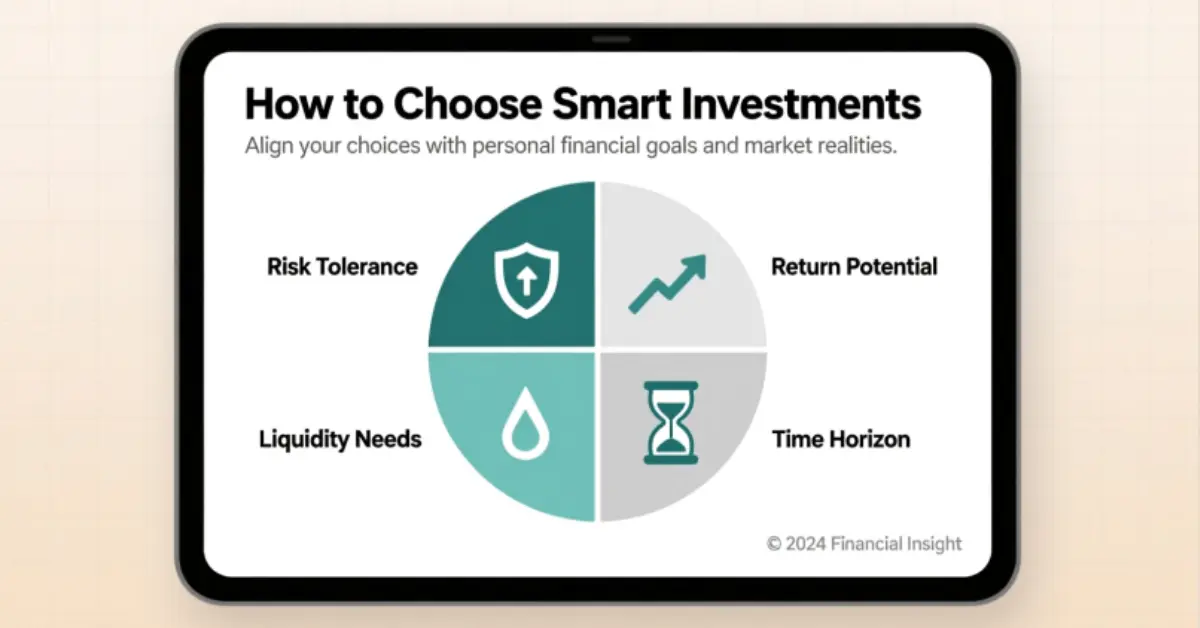
That’s exactly why invest criteria matters. Think of it as your personal filter for money decisions. Instead of chasing every “hot tip” or following the crowd, clear criteria help you focus on what actually fits your goals, risk comfort, and timeline.
With the right invest criteria, you’ll make smarter choices, avoid common mistakes, and — bonus — feel a lot less stressed about your money. It’s like having a roadmap in a city full of confusing streets: you’ll know exactly where to go and what to avoid.
Table of Contents
What Is Invest Criteria?
Simply put, invest criteria is your personal checklist for deciding whether an investment is worth your money. It’s the set of factors you look at before saying yes -things like risk, return potential, time horizon, and whether it matches your goals.
Think about buying a phone. You don’t just grab the first one on the shelf. You check the price, battery life, camera, brand reputation, and reviews. That’s your criteria.
Now imagine doing the same for a stock, mutual fund, or piece of property. You’re asking:
- Is this safe for me?
- Will it give the kind of growth I want?
- Does it fit my plan?
That’s exactly what invest criteria does. It filters out the noise, helps you avoid impulsive decisions, and keeps your money working toward your goals -not someone else’s hype.
Risk Level: Matching Investment to Comfort
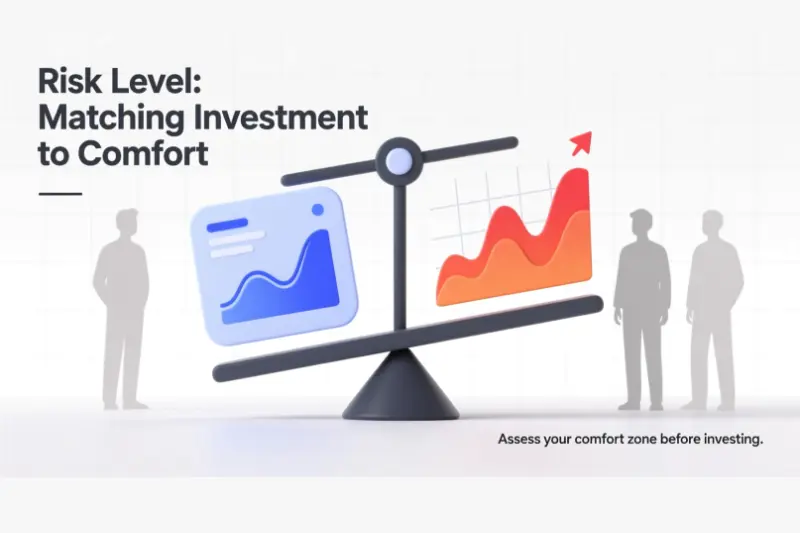
Before putting your money anywhere, you need to ask yourself one simple question:
“How much risk can I handle without losing sleep at night?”
Everyone has a different comfort level with risk. Some people can watch a stock drop 20% without panicking. Others stress out if their investment dips even 2%. Both are okay — what matters is knowing your comfort level.
Examples of risk levels:
- Low-risk: Fixed deposits, government bonds, blue-chip mutual funds. These are steady, slow-growing, and unlikely to surprise you.
- Medium-risk: Diversified stock funds, rental property, stable businesses. Moderate ups and downs, but generally manageable.
- High-risk: Startups, cryptocurrencies, penny stocks. Potential for big gains, but also big losses.
Matching your investments to your personal risk tolerance keeps you calm, confident, and in control. After all, even the smartest investment can fail if it causes too much stress for you.
May be you like it:
How Long Does It Take to Learn Day Trading Effectively?
Boost Your Career with an Online Accounting Diploma
Smart Strategies for Generational Wealth Management
What Is a Smart Investment – Simple Guide for Beginners
Return Potential: Understanding Rewards vs Reality
It’s tempting to chase investments that promise huge returns overnight. But here’s the truth: if it sounds too good to be true, it probably is.
Return potential is simply the realistic growth you can expect from an investment over time. Before committing, ask yourself:
- How much can this realistically grow in the next year, five years, or ten years?
- Does the potential reward match the risk I’m taking?
Mini example:
Imagine two friends. One buys a new tech startup stock everyone is hyping online. The other invests in a stable index fund with steady long-term growth. The startup might spike — or crash. The index fund grows slowly but consistently. Over time, the second friend often ends up ahead because they avoided hype-driven risks.
The key takeaway: focus on realistic growth, not excitement or fear of missing out. Your invest criteria should help you separate opportunities that make sense from ones that are just noise.
Time Horizon: Short-Term vs Long-Term Goals
How long you plan to keep your money invested changes everything. This is called your time horizon, and it’s a key part of your invest criteria.
If you need the money soon — say, within a year or two — high-risk investments are risky for a reason. Prices can swing, and you might be forced to sell at a loss. On the other hand, if your goal is decades away, you can ride out market ups and downs and let growth compounds naturally.
Example scenarios:
- Young investor (25 years old): Saving for financial freedom at 40. Can afford medium to high-risk investments because there’s time to recover from dips.
- Older investor (55 years old): Planning retirement in 5 years. Needs safer, low-risk investments to protect capital, even if returns are smaller.
Matching investments to your timeline ensures your money is working for you — not against you. Your criteria should clearly reflect your time horizon so you can invest confidently.
Personal Financial Goals: Aligning Investments with Life Plans

Your financial goals are the heart of your invest criteria. Why? Because every investment should serve a purpose in your life, not just chase profits for the sake of it.
Ask yourself: “Why am I investing this money?” The answer shapes your choices, risk tolerance, and timeline.
Mini examples:
- Retirement: You want a stable income decades from now. Your criteria might favor low- to medium-risk options like index funds or government bonds.
- Buying a house: Money needed in 3–5 years? Short-term, safer investments like fixed deposits or low-risk mutual funds make sense.
- Education for kids: Medium-term goal (5–10 years) could allow a mix of low- and medium-risk investments, balancing growth and safety.
Reflective question for the reader: “If I had to pick one goal to focus on right now, what would it be?” Knowing your priorities makes your investment decisions clear and stress-free.
Knowledge & Understanding: Invest Only in What You Know
One of the simplest -yet most overlooked -rules of smart investing is this: never put money into something you don’t understand.
If you can’t explain how an investment works in plain words, don’t touch it yet. Confusing products or hype-filled advice can lead to costly mistakes. Knowledge protects your money and your peace of mind.
Questions to ask before committing:
- How does this investment make money?
- What can go wrong, and how likely is it?
- How quickly can I access my money if needed?
- Is this suitable for my risk level and goals?
Mini example:
A friend once invested in a “hot” cryptocurrency without knowing how it worked. When the market crashed, panic set in — and money was lost. Understanding the product beforehand could have avoided that stress.
Your invest criteria should include a clear check: “Do I fully understand this?” If the answer is no, step back, research, and learn first. That’s a core part of safe, confident investing.
May be you like it:
Free Trading Webinar: Learn Smart Market Strategies
Certificate in Business Management Online: Your Career Boost
Smart Generational Wealth Planning for Lasting Legacy
Top Personal Investment Company Tips for Smart Investors
Creating Your Personal Invest Criteria
Now that we’ve covered the key factors — risk, return, time, goals, and understanding — it’s time to build your own invest criteria. Don’t worry, it doesn’t need to be complicated. Even beginners can do it in a few simple steps.
Step-by-Step Guide:
Define your main goal
- Ask yourself: “Why am I investing this money?”
- Example: Retirement, buying a house, or building a side income
Determine your time horizon
- How long can this money stay invested?
- Short-term vs long-term changes which investments make sense
Assess your risk comfort
- Are you okay with fluctuations or do you prefer stability?
List your acceptable investment types
- Stocks, mutual funds, real estate, bonds — only include what fits your goals, time, and risk
Check your understanding
- Only invest in options you fully grasp
- Research or ask questions before committing
Filter opportunities
When a new investment appears, run it through your criteria:
- Does it match my goal?
- Is the risk level acceptable?
- Do I understand it?
This simple checklist acts like a filter, helping you ignore distractions and focus only on investments that truly make sense for you. Over time, it becomes a habit, and investing gets a lot less stressful.
Common Mistakes That Break Invest Criteria
Even the best invest criteria can fail if you fall into common traps. Here’s what usually goes wrong:
Emotional Decisions
Money can stir strong emotions — excitement, fear, or FOMO (fear of missing out). Buying or selling based on how you feel instead of your criteria often leads to regret.
Example: A friend bought a “hot stock” because everyone online was hyping it. When it dropped, panic set in and they sold at a loss. Sticking to criteria would have avoided that stress.
Following Trends Blindly
Just because everyone is investing in crypto, NFTs, or a “fast-growing startup” doesn’t mean it fits your plan. Trendy investments often carry high risk and may not align with your goals.
Ignoring Time Horizon or Risk
Sometimes people forget to match investments to their timeline or risk comfort. Short-term needs require safe investments; long-term goals can tolerate fluctuations. Ignoring this balance can create unnecessary stress or losses.
Mini takeaway: Keep your criteria in front of you. Whenever a new opportunity appears, ask:
- Does this match my goal?
- Is the risk acceptable?
- Can I leave the money invested for the planned time?
Following your own rules consistently protects you from mistakes, even when the market gets noisy.
FAQs
What does “invest criteria” mean?
It’s a personal checklist you use to decide if an investment fits your goals, risk tolerance, and timeline.
Why is risk tolerance important in investing?
Your risk comfort helps you choose investments you can stick with, avoiding stress and panic during market ups and downs.
How do I match investments to my time horizon?
Short-term goals need safer investments, while long-term goals can handle moderate to high-risk options for better growth.
Can I invest in something I don’t fully understand?
No — understanding your investment is key. If you don’t get it, step back, research, and learn first.
How do I create my own invest criteria?
Define your goals, assess risk, set a timeline, choose suitable investment types, and only invest in what you understand.
Conclusion
Let’s recap. Invest criteria isn’t a complicated formula — it’s your personal checklist for smart, confident investing. It helps you:
- Match investments to your risk comfort
- Focus on realistic returns, not hype
- Align choices with your time horizon and goals
- Only invest in what you understand
- Avoid emotional or trend-driven mistakes
The real power comes when you apply it consistently. Every new opportunity becomes easier to evaluate, and you start making decisions based on logic — not fear or excitement.
Here’s a little reflection for you:
“If I had to write my invest criteria in three words right now, what would they be?”
Safe? Growth? Stability? Freedom? Your answer shows where to focus next. Start small, follow your own rules, and over time, investing stops feeling stressful and starts feeling intentional.
Your invest criteria is more than a tool — it’s your roadmap to smarter money decisions. Stick to it, and you’ll thank yourself later.
May be you like it:
Stock Market for Beginners PDF – Your Simple Starter Guide
Top MBA Certificate Programs Online for Career Growth
