

Introduction:
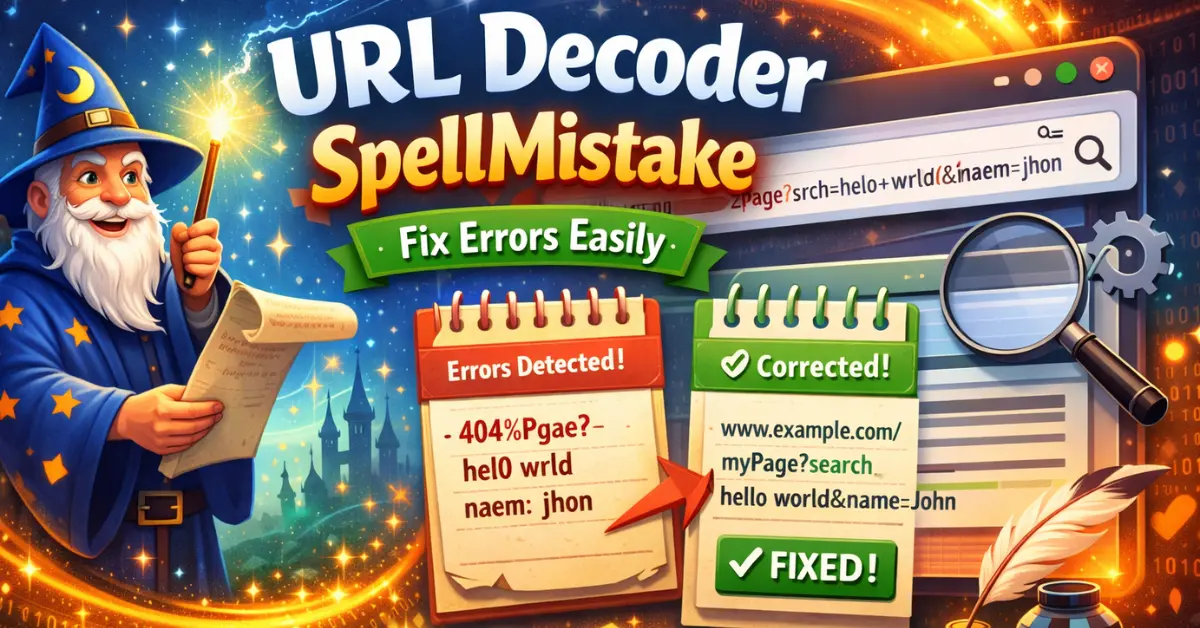
In today’s digital world, URLs are everywhere-from search engines to email links, APIs, and marketing campaigns. But sometimes, users encounter strange, unreadable strings in links or run into errors caused by small typos. This is where the concept of a URL decoder and the issue of a spell mistake intersect.
If you’ve ever clicked on a broken link or tried decoding a URL only to get confusing results, you’re not alone. Many users and even developers struggle with encoding errors and spelling mistakes that disrupt how URLs function.
This guide breaks down everything you need to know about URL decoding, why spelling mistakes matter, and how to fix and prevent these issues effectively.
Table of Contents
What Is a URL Decoder?
A URL decoder is a tool or function that converts encoded URL strings back into a human-readable format.
When data is transmitted through URLs, certain characters (like spaces or symbols) are encoded into a format that browsers can understand. For example:
- %20 represents a space
- %3A represents a colon (:)
- %2F represents a forward slash (/)
So a URL like:
- When decoded, becomes:
- Without decoding, this string can look confusing and difficult to interpret.
Why URL Encoding Exists
Before diving into spell mistakes, it’s important to understand why encoding happens in the first place.
URLs can only be sent over the internet using a limited set of characters. Special characters like spaces, ampersands (&), and symbols can break URLs or change their meaning. Encoding ensures:
- Safe transmission of data
- Compatibility across browsers
- Proper interpretation by servers
However, this process introduces complexity-and that’s where errors can occur.
May be you like it:
Top 10 Best Trading YouTube Channels to Follow in 2025
Funding an LLC: Easy Ways to Get Startup Money
Family Wealth Strategy – Build and Protect Your Legacy
Invest Wisely: Smart Tips for Growing Your Money
Understanding “SpellMistake” in URL Decoding
The term “url decoder spellmistake” generally refers to errors caused by incorrect spelling or formatting within encoded or decoded URLs.
These mistakes can happen in several ways:
Typographical Errors
A simple typo in a URL can break functionality. For example:
- exmaple.com instead of example.com
- htp:// instead of http://
Even one misplaced character can result in a broken link.
Incorrect Encoding
Sometimes characters are encoded incorrectly or partially. For example:
- %2G (invalid encoding) instead of %20
- Missing % signs in encoded strings
This leads to decoding failures or unexpected results.
Misinterpreted Decoding
If a decoder processes a string incorrectly, it may produce unreadable or wrong output.
Example:
- This is invalid and cannot be decoded properly.
Case Sensitivity Issues
While URLs are generally case-insensitive in domain names, paths and parameters may not be.
- /Product vs /product
A small spelling variation can lead to different pages-or errors.
Common Scenarios Where These Errors Occur
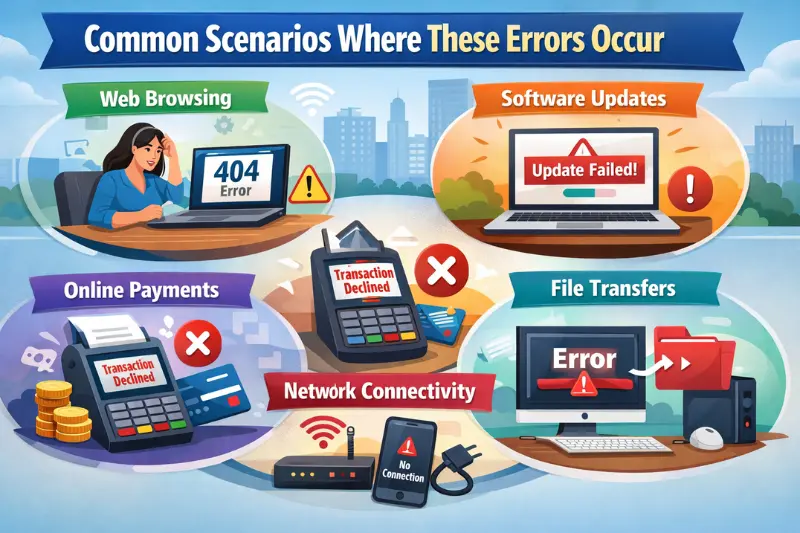
Understanding where these issues show up can help you identify and fix them quickly.
Search Queries
When users search for something online, spaces and symbols are encoded.
If there’s a typo in the query or encoding, results may not load correctly.
API Requests
Developers often pass data through URLs in APIs.
A small spelling mistake in parameters can cause:
- Failed requests
- Incorrect data retrieval
- Debugging headaches
Email Links
Marketing emails often include long, encoded URLs.
If one character is wrong, users may land on a broken page.
Redirect Chains
URLs used in redirects must be perfectly encoded.
Otherwise, users may see errors like:
- 404 Not Found
- Invalid URL
- Redirect loops
How to Fix URL Decoder SpellMistake Issues
Fixing these problems requires attention to detail and the right tools.
Use Reliable URL Decoder Tools
Online URL decoders can instantly convert encoded strings and highlight errors.
Look for tools that:
- Validate encoding
- Show error messages
- Support multiple formats
Double-Check Spelling
Always verify:
- Domain names
- Query parameters
- File paths
Even experienced developers make small typing mistakes.
Validate Encoding Format
Ensure that all encoded characters follow the correct pattern:
Examples:
- %20 ✔
- %2F ✔
- %ZZ ✘
Test URLs in Browsers
Paste your URL into a browser to see if it works.
Browsers often auto-correct minor issues or show clear error messages.
Use Developer Tools
Modern browsers offer developer tools to inspect network requests.
You can:
- Check encoded parameters
- Identify failed requests
- Debug errors in real time
May be you like it:
Top Finance Webinars to Boost Your Money Skills
My Funding Choice: Find the Best Way to Finance Your Goals
Wealth and Success – Habits That Transform Your Future
Invest Criteria: How to Choose Smart Investments
Best Practices to Avoid URL Mistakes
Prevention is always better than fixing errors later.
Keep URLs Simple
Avoid unnecessary complexity. Clean URLs are easier to manage and debug.
Use Automated Encoding
Instead of manually encoding strings, use programming functions like:
- encodeURIComponent() (JavaScript)
- urllib.parse.quote() (Python)
This reduces the risk of human error.
Avoid Manual Editing
Editing encoded URLs by hand often leads to mistakes.
Let tools handle encoding and decoding whenever possible.
Maintain Consistency
Stick to a standard format across your website or application.
Consistency minimizes confusion and errors.
Tools That Can Help
Here are some commonly used tools and methods:
Online URL Decoders
- Quick and easy for beginners
- No installation required
Browser Extensions
- Decode URLs directly in the address bar
- Useful for frequent tasks
Programming Libraries
- Built-in functions in most languages
- Ideal for developers
Real-Life Example
Let’s say you receive this URL:
- Decoding it once gives:
- Decoding again gives:
- Now imagine if there was a typo like:
- This would break the decoding process entirely.
Why This Matters for SEO
URL errors can impact search engine rankings.
- Broken Links Hurt Rankings
- Search engines penalize sites with too many broken links.
- Poor User Experience
- If users encounter errors, they’re likely to leave your site quickly.
- Crawling Issues
- Search engine bots may fail to index pages correctly if URLs are malformed.
How Businesses Can Benefit from Proper URL Handling

Correct URL encoding and decoding ensures:
- Better website performance
- Improved user experience
- Higher SEO rankings
- Fewer technical issues
For businesses relying on digital marketing, this can make a significant difference.
FAQs
What is a URL decoder used for?
A URL decoder converts encoded URL strings into a readable format so users and developers can understand the data.
What causes spelling mistakes in URLs?
Typos, incorrect encoding, and manual editing are the most common causes of URL-related spelling errors.
Can a small typo break a URL?
Yes, even a single incorrect character can make a URL invalid or lead to the wrong page.
How do I check if a URL is properly encoded?
You can use online URL decoder tools or browser developer tools to verify encoding.
Does URL encoding affect SEO?
Yes, improperly encoded URLs can lead to broken links, poor user experience, and lower search engine rankings.
Final Thoughts
The combination of URL decoding and spelling mistakes might seem like a small technical issue, but it can have a big impact on usability, functionality, and SEO.
By understanding how encoding works and being mindful of small errors, you can avoid broken links, improve user experience, and maintain a professional online presence.
Whether you’re a developer, marketer, or everyday internet user, taking the time to properly handle URLs will save you frustration and ensure smoother digital interactions.
May be you like it:
Best Day Trading Setup – Simple Strategies That Work
Business Finance Definition Made Easy for Understanding Info
