

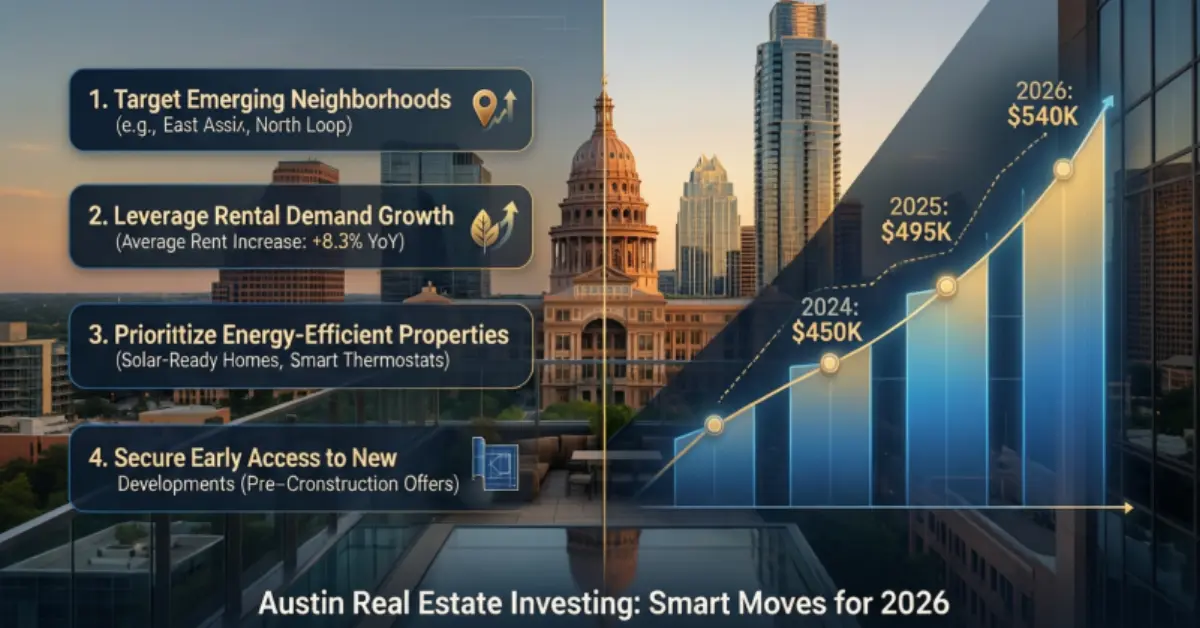
Introduction
If you’ve been watching the property scene in Austin lately, you already know this city isn’t slowing down anytime soon. Even after years of skyrocketing prices, Austin Texas real estate investing still pulls in both local and out-of-state investors-and for good reasons.
Why Austin Continues to Attract Investors
Austin has become more than just the capital of Texas; it’s a magnet for talent, innovation, and lifestyle. Tech companies, startups, and creative industries are expanding here, bringing in thousands of professionals every year. That steady influx of renters and buyers keeps demand high and neighborhoods vibrant.
Investors are drawn to the city’s mix of job growth, cultural appeal, and quality of life. Even during market fluctuations, people still want to live here. That consistency makes Austin a fertile ground for real estate investment.
Market Shifts Compared to Previous Years
A few years ago, the market was all about rapid appreciation. Buy anything, hold it, and hope the value surged-that worked well for early movers. Fast forward to 2026, and things are different. Growth has stabilized in some areas, while others are seeing selective demand.
Prices are higher, competition is fiercer, and tenants are pickier. That means you can’t rely on luck or trends alone. You need insight, research, and a sense of what will hold value over the long term.
Table of Contents
Importance of Strategy Over Hype
Austin no longer rewards impulsive buys or flashy properties. Today, strategy beats hype. Smart investors focus on:
- Choosing neighborhoods with real rental demand
- Understanding tenant needs
- Running conservative financial projections
Investing without a plan is risky here. The city’s market favors patience, knowledge, and careful property selection. Treat Austin like a puzzle, not a shortcut, and your returns will follow.
Understanding the Local Market Dynamics
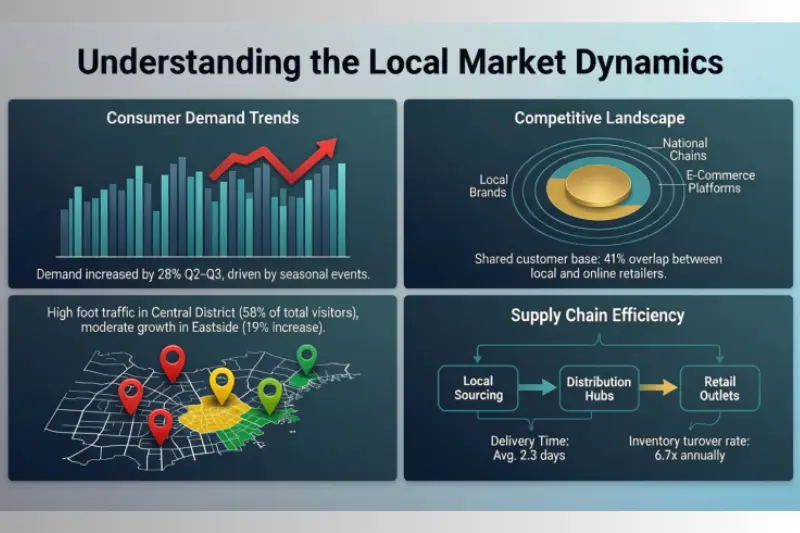
Austin isn’t just growing-it’s evolving in ways that directly impact austin texas real estate investing. To succeed here in 2026, you need to understand the city’s unique dynamics and how they shape opportunities.
May be you like it:
Top 10 Best Trading YouTube Channels to Follow in 2025
Funding an LLC: Easy Ways to Get Startup Money
Family Wealth Strategy – Build and Protect Your Legacy
Invest Wisely: Smart Tips for Growing Your Money
Population Growth, Tech Jobs, and Lifestyle Appeal
Austin’s population keeps expanding, fueled largely by the tech industry. Companies like Apple, Tesla, and Google continue to set up or expand offices here, drawing skilled professionals from across the country.
This isn’t just about jobs-it’s about lifestyle. People aren’t moving to Austin only for work; they’re looking for neighborhoods with good schools, walkable streets, parks, and local culture. If your property aligns with these preferences, you’ll find tenants ready to pay for convenience and comfort.
Neighborhood-Specific Trends
Not all Austin neighborhoods move the same way. Some areas near downtown are highly competitive but may offer prestige more than cash flow. Suburban zones like Round Rock or Pflugerville often provide steadier long-term rental yields and fewer management headaches.
Investors who zoom in at the neighborhood level often outperform those who chase city-wide hype. Pay attention to trends like upcoming infrastructure projects, school rankings, and lifestyle amenities-they’re small details with big impact.
Supply vs. Demand Realities
Austin’s demand hasn’t slowed, but supply is tighter in many areas. That means smart investors can’t just buy the first available property. High-demand neighborhoods often see bidding wars, while overlooked zones may offer hidden gems with stable cash flow.
Understanding where supply outpaces demand-and where it doesn’t-can make the difference between a property that sits empty for months and one that stays rented with happy tenants year after year.
Identifying Your Target Tenant
One of the most overlooked secrets in Austin Texas real estate investing is that success often starts before you even buy a property. Knowing who your tenant is-and what they really want-can make the difference between steady income and a frustrating vacancy.
Tech Professionals, Families, and Remote Workers
Austin’s rental market is diverse. The main groups you’ll encounter are:
- Tech professionals: Usually single or young couples, working downtown or in tech hubs. They value short commutes, modern amenities, and convenience over square footage.
- Families: Often prioritize good schools, parks, and larger homes. They’ll pay a premium for safety and stability.
- Remote workers: Flexible with location but want comfortable work-from-home space, good internet, and easy access to lifestyle perks like coffee shops or trails.
Each group behaves differently. A property perfect for a family may underperform if rented to tech professionals, and vice versa.
Matching Property Type to Tenant Needs
Once you know your target tenant, the property type naturally follows:
- A modern 1-bedroom condo near downtown for a tech professional
- A 3–4 bedroom house near schools for a family
- A mid-size suburban home with office space for remote workers
Even small features-like a dedicated workspace, backyard, or easy access to public transport-can increase rent and reduce turnover.
Why Tenant Profiling Affects ROI
Tenant profiling isn’t just marketing fluff-it directly impacts your return on investment:
- Properties aligned with tenant priorities rent faster
- Tenants stay longer, reducing vacancy costs
- You can price accurately and confidently without leaving money on the table
In short: if you invest blindly, you gamble. If you invest with tenant insight, you build steady, predictable returns.
Long-Term Rental Strategies
For investors who want reliable income without constant stress, long-term rentals are often the backbone of Austin Texas real estate investing. In 2026, these strategies are more about smart choices than chasing flashy returns.
Benefits of Stability and Consistent Cash Flow
Long-term rentals provide predictable income month after month. Unlike short-term rentals, you’re not constantly managing bookings, cleaning schedules, or fluctuating occupancy.
Stable tenants also reduce turnover costs, maintenance surprises, and the stress of trying to fill a property on short notice. For many investors, this consistency beats the temptation of higher, but riskier, short-term gains.
Choosing Neighborhoods with Reliable Long-Term Demand
Not all Austin neighborhoods perform equally. Some areas, especially those near downtown or tech hubs, are competitive and pricey but may attract only short-term renters.
Look for areas where tenants plan to stay for years:
- Neighborhoods with quality schools and parks
- Suburbs with growing infrastructure and transit options
- Areas with a balance of affordability and lifestyle appeal
These locations often produce higher occupancy rates and fewer headaches, even if the monthly rent isn’t the highest in town.
Real-Life Examples of Successful Long-Term Rentals
Take a 3-bedroom house in Round Rock, for example. Purchased in 2021, the property rents steadily to a family with a long-term lease. Over the years, rental income covered mortgage, taxes, and maintenance-and the property appreciated modestly but consistently.
Another example: a 2-bedroom condo near The Domain attracts tech professionals. It’s not a massive cash cow, but tenants renew for multiple years because it’s convenient and well-maintained. Predictability and low vacancy made this investment a winner.
The key takeaway? Long-term rentals reward consistency and tenant-focused choices, not speculation. Understanding your audience and neighborhood is worth more than chasing “hot deals” that may sit empty.
Short-Term Rental Strategies
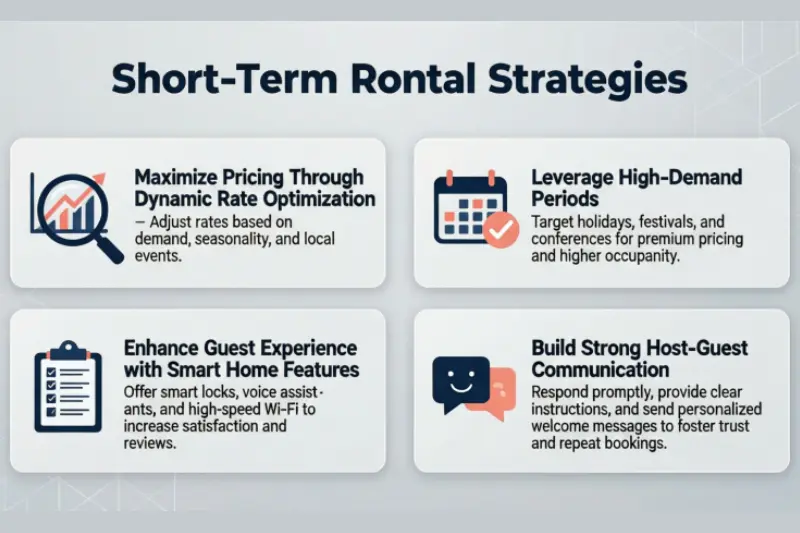
Short-term rentals can be lucrative in Austin-but they’re not a “set it and forget it” investment. In 2026, knowing the rules and managing expectations is critical for success in Austin Texas real estate investing.
Regulations and Zoning Considerations
Austin has strict rules around short-term rentals, including licensing requirements, zoning restrictions, and limits on how often a property can be rented. Failing to follow these rules can result in fines-or worse, being forced to stop renting altogether.
Before investing, check:
- Whether the property is in a permitted zone
- Local short-term rental license requirements
- HOA rules or neighborhood restrictions
Understanding the legal landscape isn’t optional; it’s part of your investment due diligence.
Managing Occupancy and Seasonality
Short-term rentals rarely have consistent monthly income. Occupancy fluctuates with holidays, events, and tourism trends. Successful operators plan ahead:
- Budget for slower months
- Adjust pricing for peak and off-peak periods
- Factor in cleaning and maintenance costs
Unlike long-term rentals, revenue isn’t guaranteed. Planning and proactive management are key.
When Short-Term Rentals Outperform Traditional Rentals
Despite the extra work, short-term rentals can beat traditional rentals in the right situations:
- Properties in high-demand areas near music venues, tech hubs, or tourist spots
- Homes with unique features, like patios, pools, or modern interiors
- Investors willing to actively manage bookings or hire professional management
When done right, short-term rentals can provide higher monthly income-but they require attention, effort, and strategic planning.
May be you like it:
Top Finance Webinars to Boost Your Money Skills
My Funding Choice: Find the Best Way to Finance Your Goals
Wealth and Success – Habits That Transform Your Future
Invest Criteria: How to Choose Smart Investments
Neighborhood Selection & Analysis
In Austin Texas real estate investing, choosing the right neighborhood often matters more than the property itself. The city isn’t one uniform market-it’s a patchwork of micro-markets, each with its own rental demand, growth potential, and lifestyle appeal.
Factors: Commute, Schools, Amenities, Livability
When evaluating neighborhoods, look beyond the surface. Consider:
- Commute: A short drive can feel very different depending on traffic. Proximity to major employers can boost rental demand.
- Schools: Families pay for quality schools, and good school districts reduce turnover.
- Amenities: Parks, grocery stores, trails, and local hangouts matter. Tenants aren’t just renting walls-they’re buying into a lifestyle.
- Overall livability: Noise levels, safety, and neighborhood culture affect how long tenants stay and how much they’re willing to pay.
These details may seem small, but they directly affect occupancy rates and rental income.
Micro-Markets Within Austin
Austin is full of distinct micro-markets:
- Downtown and The Domain: High-rent, high-demand condos, but often more competitive.
- East Austin: Up-and-coming areas with appreciation potential, attracting younger professionals.
- Suburbs like Round Rock and Pflugerville: Steadier long-term rentals with families and more predictable cash flow.
Investors who understand these micro-markets can position properties for higher returns and lower risk.
Avoiding Hype-Driven Mistakes
It’s tempting to chase the “next hot neighborhood,” especially when social media and headlines tout skyrocketing prices. But hype often leads to overpaying or buying properties that underperform.
Tip: Base decisions on data and lifestyle insights, not FOMO. Look at rental trends, occupancy history, and the long-term livability of the area. If a neighborhood’s appeal isn’t backed by numbers, it’s probably not the right investment.
Financing & Budgeting for Austin Properties
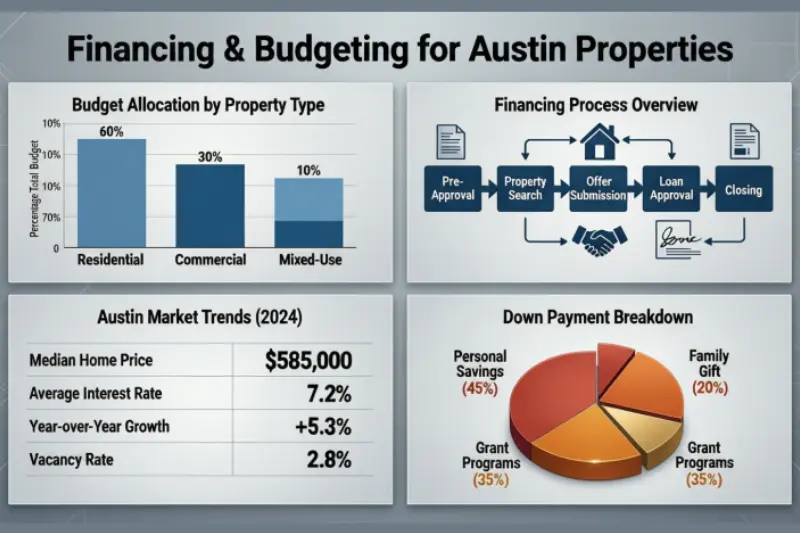
Even the best property in the right neighborhood can struggle if your numbers aren’t realistic. For Austin Texas real estate investing, understanding financing, ongoing costs, and cash flow is essential.
Property Taxes, Insurance, and Maintenance Costs
Austin’s property taxes are higher than many investors expect. Combine that with homeowners insurance, occasional repairs, and regular maintenance, and suddenly your monthly profit looks very different from initial estimates.
Some examples:
- A $400,000 home might have $6,000–$7,000 yearly property taxes
- Insurance for single-family homes can range widely depending on flood zones or coverage needs
- Unexpected repairs-roof, HVAC, plumbing-can cost thousands if not budgeted
- Factoring these in upfront prevents nasty surprises and keeps cash flow predictable.
Conservative Cash Flow Projections
When projecting income, err on the side of caution. Don’t assume 100% occupancy or maximum rent every month. Plan for:
- Occasional vacancy
- Minor rent concessions
- Maintenance emergencies
A conservative approach might show lower initial ROI, but it protects you from volatility and ensures the investment is truly sustainable.
How to Calculate Realistic Returns
Start with the numbers you know: purchase price, mortgage, taxes, insurance, and expected rent. Then subtract realistic operating costs and account for vacancies.
Example:
- Monthly rent: $2,500
- Mortgage + taxes + insurance: $1,800
- Maintenance & reserves: $200
- Net cash flow: $500
This conservative calculation gives a realistic picture of what you actually earn-crucial for making smart investment decisions.
Common Mistakes to Avoid in Austin Texas Real Estate Investing
Even experienced investors trip up in Austin if they ignore local realities. Understanding common pitfalls can save you money, time, and frustration.
Emotional Buying vs. Analytical Decisions
It’s easy to fall in love with a property because it looks perfect or has “good vibes.” But emotions shouldn’t drive investment decisions.
Smart investors focus on:
- Rental demand
- Cash flow projections
- Long-term appreciation potential
If a property doesn’t make sense on paper-even if it tugs at your heartstrings-it’s probably not a smart buy.
Overpaying Based on Future Appreciation
Many newcomers assume Austin’s growth will continue at breakneck speed. While Austin has strong long-term potential, overpaying now can crush returns.
Tip: Look for properties that generate cash flow on today’s numbers, not just speculative future value. If appreciation doesn’t meet expectations, your investment should still perform.
Ignoring Tenant Preferences or Hidden Costs
Even the best property can underperform if it doesn’t match what tenants want. Common oversights include:
- Poor location relative to work, schools, or transit
- Lack of essential amenities like parking or reliable internet
- Unexpected maintenance issues
By understanding tenant priorities and realistically accounting for costs, you protect both income and occupancy rates.
Long-Term Investment Outlook
If you’re thinking about Austin Texas real estate investing in 2026, it helps to step back and look at the bigger picture. Austin isn’t a city for shortcuts-it rewards strategy, patience, and thoughtful decision-making.
Why Austin is a “Strategy Market,” Not a Quick-Win Market
Gone are the days when you could buy the first property that looked good and expect instant gains. Today, Austin demands a plan-driven approach:
- Understand neighborhoods, tenant needs, and cash flow
- Anticipate market cycles
- Avoid chasing hype
Investors who rush often pay too much or end up with vacant units. Those who strategize, however, can build predictable long-term wealth.
Holding Assets for Sustainable Returns
The key to success here isn’t flipping properties quickly-it’s holding them with a focus on consistent income. Long-term ownership allows:
- Steady rental income
- Appreciation over time
- Tax benefits and portfolio stability
Even if prices flatten temporarily, a property with solid tenants in the right location will continue to generate returns.
Trends That May Affect Future Growth
Several trends will influence Austin’s market in the coming years:
- Continued tech sector expansion bringing new residents
- Rising interest rates affecting affordability
- Infrastructure projects and urban development shaping neighborhoods
- Shifts in remote work patterns influencing housing preferences
By staying informed and adjusting strategies accordingly, investors can position themselves to capitalize on long-term growth while minimizing risks.
Actionable Tips & Smart Investor Mindset
By now, it’s clear that Austin Texas real estate investing isn’t about luck-it’s about preparation, research, and thinking like a smart investor. Here’s how to approach the market in 2026 with confidence.
Steps for Doing Due Diligence
Before you pull the trigger on any property:
- Inspect the neighborhood: Visit at different times of day, check traffic, noise, and amenities.
- Analyze comparable rentals: See what similar properties charge and how often they turn over.
- Check property condition: Factor in maintenance needs and potential repairs.
- Understand local rules: Ensure zoning, HOA, and short-term rental regulations won’t cause surprises.
Due diligence isn’t optional-it’s your insurance against costly mistakes.
Using Research to Minimize Risk
Investors who rely on hype often get burned. Instead:
- Study market trends and population growth data
- Track occupancy rates and historical rent trends
- Identify micro-markets with consistent demand
Good research helps you make decisions grounded in reality, not speculation.
Building Wealth with Realistic Expectations
Austin is a long-term growth city, not a “get rich quick” market. Focus on:
- Steady cash flow from rentals
- Smart, neighborhood-level property selection
- Conservative projections that account for taxes, maintenance, and vacancies
Ask yourself reflective questions like: Would I still feel confident if prices stayed flat for three years?
Investing with a realistic mindset-backed by research and planning-turns opportunities into consistent wealth, rather than frustration or risk.
FAQs
Is Austin a good city for real estate investing in 2026?
Yes, Austin offers strong long-term potential, but success depends on choosing the right neighborhoods and tenants.
What’s the best type of rental property in Austin?
Long-term rentals provide stable cash flow, while short-term rentals can work in high-demand areas with careful management.
How do I pick the right Austin neighborhood for investment?
Look at commute, schools, amenities, rental demand, and local development—not just hype or price.
Do I need a real estate agent to invest in Austin?
A knowledgeable local agent helps navigate neighborhoods, regulations, and rental trends, making your investment smarter.
What mistakes should I avoid as a new investor in Austin?
Avoid emotional buying, overpaying, ignoring tenant preferences, and neglecting maintenance or legal rules.
Can I profit from short-term rentals in Austin?
Yes, if you follow local regulations, manage occupancy, and target the right areas with high demand.
How important is tenant profiling in Austin real estate?
Very important—matching property features to tenant needs ensures higher occupancy and better ROI.
Are property taxes high in Austin?
Compared to many U.S. cities, yes. Taxes, insurance, and maintenance should be factored into your cash flow calculations.
Should I invest in downtown Austin or suburbs?
Both can work. Downtown suits professionals and short-term rentals; suburbs often offer steady, long-term rental income.
How can I reduce risk in Austin real estate investing?
Do thorough research, budget conservatively, choose tenants wisely, and avoid speculative purchases.
Conclusion
Austin isn’t a market for shortcuts-it’s a city that rewards strategy, patience, and attention to detail. Austin Texas real estate investing in 2026 still offers strong opportunities, but only if you understand tenant needs, pick the right neighborhoods, run realistic numbers, and plan for the long term.
Remember: success comes from research, thoughtful property selection, and a realistic mindset-not chasing trends or hype. Approach the market with care, and you’ll find that steady cash flow, appreciation, and long-term wealth are very much possible in this vibrant, growing city.
Invest smart, think ahead, and let Austin work for you-not the other way around.
May be you like it:
Best Day Trading Setup – Simple Strategies That Work
Business Finance Definition Made Easy for Understanding Info
