

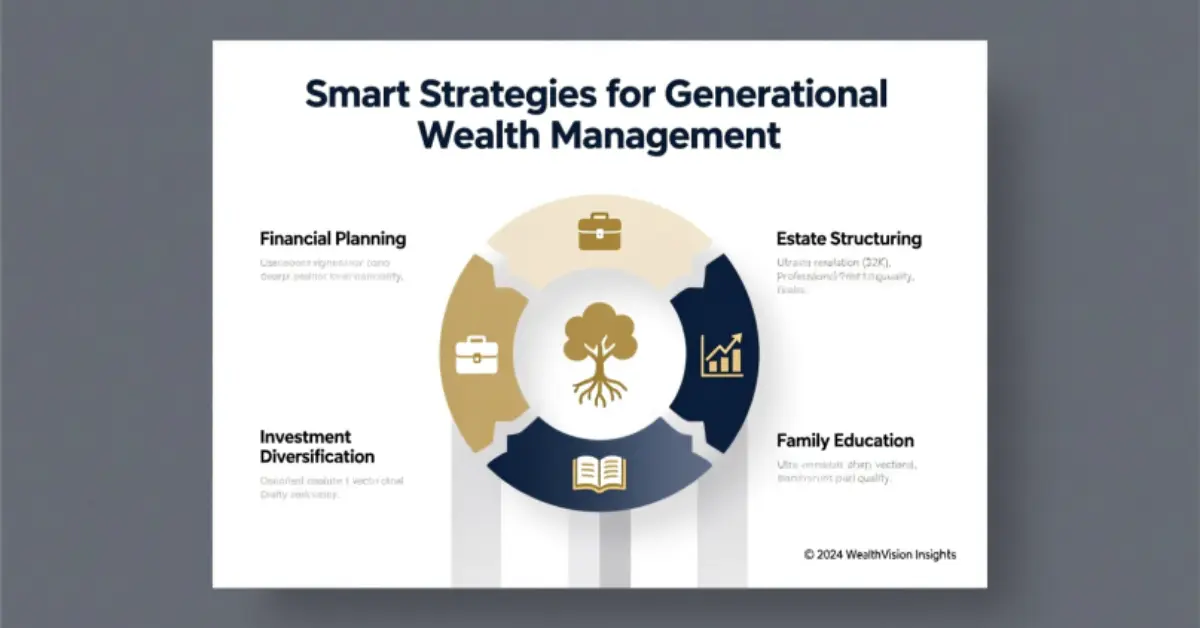
Introduction to Generational Wealth Management
When most people hear the term generational wealth management, they think of money passed down to children or grandchildren. But it’s really more than that. At its core, generational wealth management is about strategically growing, protecting, and transferring your assets in a way that benefits not just you, but multiple generations of your family. It’s the difference between leaving a bank balance behind and leaving a lasting legacy.
Why does long-term planning matter? Think of wealth like planting a tree. If you water it carefully, protect it from storms, and let it grow steadily, it can provide shade, fruit, and beauty for decades. Without care and planning, even the strongest tree can wither-or worse, fall unexpectedly. Similarly, wealth without a thoughtful strategy can be eroded by taxes, market fluctuations, or poor financial decisions.
Generational wealth management isn’t only about dollars and cents-it’s about security, opportunity, and family empowerment. By planning carefully today, you’re setting up your loved ones not just to inherit assets, but to inherit knowledge, values, and the tools to make smart financial choices.
Table of Contents
The Importance of Mindset and Values

When it comes to generational wealth management, the numbers alone don’t tell the whole story. One of the biggest predictors of whether wealth lasts for generations isn’t just the size of the portfolio-it’s the mindset and values of the family. Families that treat money as a tool, rather than just a trophy, tend to preserve and grow wealth far longer than those that chase short-term gains or status symbols.
Think about it like this: if a family teaches children that money is earned, respected, and managed responsibly, those lessons compound over time. Conversely, without the right mindset, even a large inheritance can disappear within a generation. A simple example is when young adults inherit assets but have no understanding of budgeting, investing, or the importance of saving-they may spend freely, leaving little for future generations.
Purpose plays a huge role, too. When financial decisions are linked to clear values-like education, security, entrepreneurship, or philanthropy-they become intentional. For instance, a family might choose to invest in a business that aligns with their ethical beliefs rather than chasing the highest short-term return. That choice not only preserves wealth but also reinforces the family’s identity and mission.
May be you like it:
Top 10 Best Trading YouTube Channels to Follow in 2025
Funding an LLC: Easy Ways to Get Startup Money
Family Wealth Strategy – Build and Protect Your Legacy
Invest Wisely: Smart Tips for Growing Your Money
Building a Strong Financial Foundation
Before thinking about passing wealth down, the most important step in generational wealth management is creating a solid financial foundation. Without this base, even the best plans for future generations can fall apart.
A strong foundation starts with emergency funds. Life is unpredictable-medical bills, sudden home repairs, or career changes can hit anyone. Having at least three to six months of living expenses saved ensures that your family’s wealth isn’t derailed by short-term crises.
Next comes debt management. High-interest debts, like credit cards or certain loans, can quietly erode wealth over time. Tackling these strategically-paying off high-interest balances first and avoiding unnecessary debt-frees up resources to invest in long-term growth instead of just covering interest payments.
Cash flow planning is another essential piece. Knowing exactly how money flows in and out of your household helps you make informed decisions about spending, saving, and investing. Small tweaks in daily habits-like automating savings or tracking discretionary spending-can compound significantly over time.
Once these basics are in place, it’s time to look at diversified investments. Relying solely on one type of asset is risky. A mix of stocks, bonds, real estate, and possibly business ventures spreads risk and opens multiple paths for growth. For example, if the stock market dips, real estate or fixed-income investments might stabilize your portfolio, keeping your family’s financial future secure.
Protecting Assets Through Insurance
A critical yet often overlooked aspect of generational wealth management is protecting what you’ve already built. Think of insurance as a safety net-without it, unexpected events can undo years of careful planning in an instant.
Life insurance is the most obvious example. It ensures that your loved ones are financially secure if something happens to you, covering things like mortgage payments, education costs, or everyday living expenses.
Health insurance protects against the staggering costs of medical emergencies. Even a short hospital stay or major procedure can drain savings if you’re unprepared.
Disability insurance is another layer that often gets ignored. If you or a key family earner can’t work due to injury or illness, disability coverage maintains cash flow and prevents the family from liquidating investments prematurely.
Finally, property insurance-covering your home, business, or valuable assets-protects against accidents, natural disasters, or theft. It ensures that a sudden event doesn’t erase your family’s hard-earned wealth.
The key idea is simple: insurance doesn’t grow wealth, but it protects it, making your long-term plans more resilient. Without these safety nets, even the most diversified investments or careful savings could be wiped out by an unexpected crisis.
Strategic Investment Planning
A cornerstone of generational wealth management is smart, strategic investing. It’s not just about chasing returns-it’s about balancing growth with stability to ensure wealth lasts across generations.
Diversification is key. Relying on a single type of investment is risky. By spreading your money across stocks, bonds, real estate, and possibly business ventures, you reduce the chance that one market downturn wipes out your portfolio. For example, if the stock market dips but your real estate holdings remain steady, your overall wealth stays protected.
Another important consideration is understanding the difference between long-term and short-term investments. Short-term trades can provide quick gains, but they’re often volatile and stressful. Long-term investments-like retirement accounts, index funds, or property-may grow more slowly, but they build steady, compounding wealth over decades. Families that focus on long-term growth tend to preserve and expand wealth much more reliably than those chasing instant returns.
Mini insight: Many wealthy families follow a “core-and-satellite” approach-keeping a stable core of long-term investments while allocating a smaller portion to higher-risk, short-term opportunities. This balances security with potential growth.
Estate Planning and Legal Structures
When we talk about generational wealth management, one of the most critical-but often overlooked-steps is estate planning. It’s not just paperwork; it’s about making sure your hard-earned assets reach the people you care about, in the way you intend, without unnecessary complications.
Wills and trusts are the foundation. A will outlines how your assets should be distributed, while trusts can provide additional control, privacy, and flexibility. For example, a trust can specify that funds are released gradually to heirs, rather than giving them a lump sum they may not be prepared to manage responsibly.
Tax-efficient strategies also play a big role. Proper planning can minimize estate taxes or inheritance taxes, preserving more wealth for the next generation. Techniques like gifting strategies, charitable contributions, or life insurance trusts can all reduce the financial bite of taxes.
Beyond the numbers, estate planning helps minimize family disputes. Clear instructions prevent misunderstandings, reduce conflicts, and keep relationships intact-because nothing erodes generational wealth faster than prolonged disagreements or legal battles.
Mini insight: Many families underestimate the emotional impact of wealth transfer. Including heirs in conversations and explaining the “why” behind your plans can build trust and understanding, ensuring your financial legacy aligns with your family’s values.
Financial Education for the Next Generation

A key pillar of generational wealth management is educating the next generation. Passing down money is one thing-but passing down knowledge ensures that wealth isn’t lost in just one generation.
Teaching children and young adults about money management, investing, and responsible spending builds habits that last a lifetime. Simple practices, like showing them how to budget, explaining compound interest, or encouraging them to save for their goals, can have a huge long-term impact. For example, a teenager who learns to invest even a small amount regularly can see that money grow significantly by the time they reach adulthood.
Encouraging financial independence is equally important. Instead of shielding heirs from financial responsibility, involve them gradually. Let them make small decisions with real consequences-this builds confidence and decision-making skills. Over time, they’ll develop the judgment and discipline necessary to manage larger inheritances responsibly.
Mini insight: Many families create a “financial curriculum” for heirs-starting with basic money skills in childhood, moving to investing in adolescence, and eventually teaching tax planning and estate concepts as they mature. This structured approach ensures your family isn’t just wealthy, but financially wise.
May be you like it:
Top Finance Webinars to Boost Your Money Skills
My Funding Choice: Find the Best Way to Finance Your Goals
Wealth and Success – Habits That Transform Your Future
Invest Criteria: How to Choose Smart Investments
Family Governance and Communication
In generational wealth management, it’s not enough to grow and protect assets-you also need a clear system for family governance and communication. Money can be a source of stress or conflict, but when handled transparently, it becomes a tool for unity and shared purpose.
Regular family meetings are surprisingly effective. Even short, structured discussions about finances, investments, or estate plans help everyone stay informed and aligned. It also gives family members a voice in decisions, fostering trust and accountability.
Transparency is key. Sharing information about the family’s financial situation-without overwhelming detail-ensures there are no surprises. This includes everything from investment strategies to philanthropic initiatives. When everyone understands the “why” behind decisions, they’re more likely to honor the family’s goals and values.
Finally, aligning wealth with family values ensures your assets support the mission you care about. For example, a family passionate about education might prioritize funding scholarships or investing in learning-based ventures. A shared vision transforms money from a cold ledger into a living tool that reflects your principles.
Mini insight: Many successful families create a “family charter” that outlines their values, financial priorities, and rules for decision-making. This doesn’t just guide wealth-it builds a sense of purpose and identity across generations.
Monitoring and Adjusting Wealth Strategies
Generational wealth management isn’t a one-time task-it’s an ongoing process. Even the best-laid plans need regular monitoring and adjustments to stay effective. Life changes, markets fluctuate, and family priorities evolve, so your strategies should evolve too.
Reviewing portfolios periodically helps identify underperforming assets or opportunities for growth. For instance, a long-held investment might no longer align with your risk tolerance or market conditions. Checking in annually-or even quarterly-keeps your plan dynamic and responsive.
Adapting to life events is equally important. Marriage, the birth of a child, career changes, or unexpected expenses can shift your financial landscape. A flexible plan ensures that these events don’t derail your long-term goals.
The key takeaway is that wealth management should be proactive, not reactive. Families that adjust strategies thoughtfully-rebalancing investments, updating estate plans, or revising financial goals-are far more likely to maintain and grow wealth across generations.
Mini insight: Many families schedule an annual “wealth review day,” where key members sit down with advisors to evaluate investments, insurance, and estate plans. It’s a simple habit, but it prevents surprises and keeps the family aligned.
Legacy Planning and Philanthropy
At the heart of generational wealth management is the idea that true wealth isn’t just money-it’s the values, skills, and impact you pass down to future generations. While assets can be spent or invested, the lessons you teach, the habits you instill, and the purpose you model create a legacy that lasts far longer than any bank balance.
Passing down more than money means actively involving heirs in decisions, encouraging entrepreneurship, and teaching life skills alongside financial literacy. For example, instead of simply giving a child an inheritance, some families guide them to invest part of it, contribute to charitable causes, or manage a small business. This hands-on experience cultivates responsibility, confidence, and long-term thinking.
Philanthropy is another powerful way to leave a meaningful legacy. Charitable giving not only benefits the community but also reinforces your family’s values and vision. Whether it’s establishing a scholarship fund, supporting local initiatives, or contributing to causes that matter to your family, philanthropy teaches heirs the joy and responsibility of using wealth purposefully.
Mini insight: Families that integrate philanthropy into their wealth strategy often report stronger bonds and shared purpose across generations. It’s a way of ensuring that wealth serves a higher mission, not just individual comfort.
FAQs on Generational Wealth Management
What is generational wealth management?
It’s the practice of growing, protecting, and transferring wealth across multiple generations, ensuring your family benefits long-term.
Why is planning for multiple generations important?
Without careful planning, assets can be lost through taxes, poor investments, or family disputes. Long-term planning secures financial stability and legacy.
How can families pass on financial knowledge effectively?
Teaching budgeting, investing basics, and responsible spending early helps heirs manage wealth wisely and avoid common pitfalls.
What role does estate planning play in generational wealth?
Wills, trusts, and tax-efficient strategies ensure assets are distributed according to your wishes and minimize disputes or unnecessary taxes.
Can philanthropy be part of generational wealth management?
Yes. Charitable giving aligns wealth with family values, teaches purpose, and leaves a meaningful legacy beyond money.
Conclusion
Building and managing wealth for future generations is about more than numbers-it’s about intentional decisions, family values, and long-term thinking. Through careful planning, diversified investments, estate strategies, financial education, and even philanthropy, you’re not just creating a bank balance-you’re creating a legacy.
The families that succeed in generational wealth management are those that combine strategy with purpose, teaching heirs how to handle wealth responsibly while aligning it with shared values. Every small, intentional step you take today-whether it’s setting up a trust, reviewing your investments, or having open conversations about money-can grow into a lasting impact decades down the line.
May be you like it:
Best Day Trading Setup – Simple Strategies That Work
Business Finance Definition Made Easy for Understanding Info
