

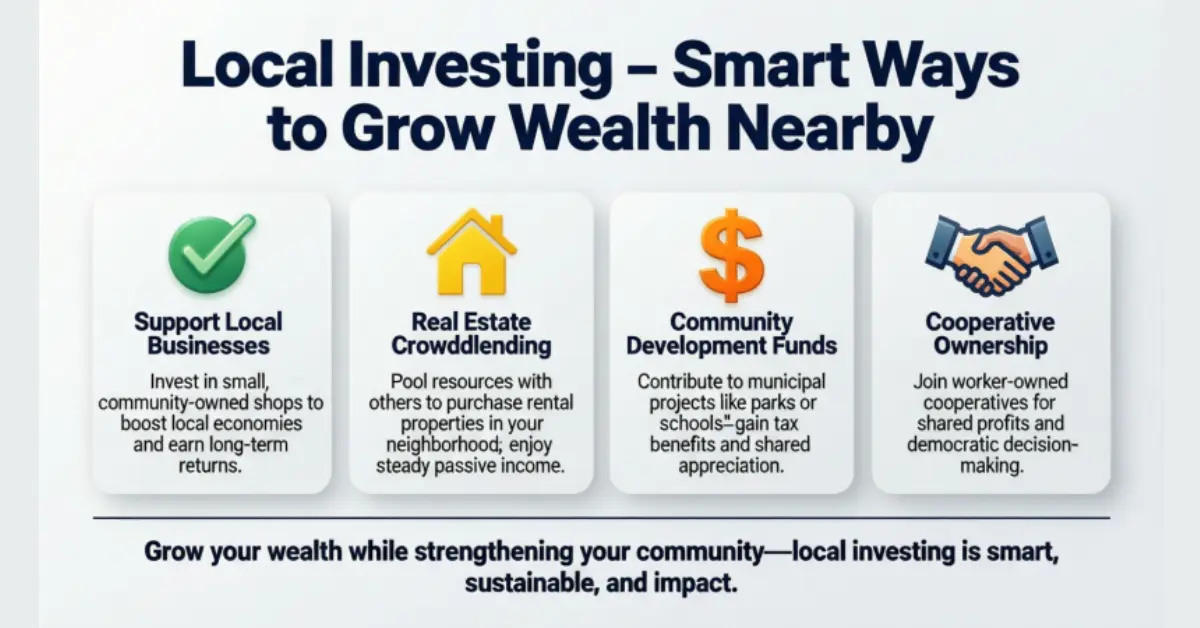
Introduction
When most people hear the word “investing,” they picture stock markets, mutual funds, or faraway real estate markets. Local investing flips that idea on its head. Instead of putting your money into distant markets you barely understand, you focus on opportunities right in your own community-your town, city, or neighborhood.
So, what makes it different from traditional investing? For one, you actually know what’s happening on the ground. You can see which areas are growing, which businesses are thriving, and where there’s genuine demand. You don’t have to rely solely on charts, news reports, or third-party analysis-you have firsthand knowledge.
The benefits go beyond just potential profits. Local investing allows you to support businesses and initiatives you care about, strengthen your community, and even create new jobs. On a personal level, it can feel more rewarding because you can witness the impact of your money firsthand. Plus, being close to your investments often means better oversight and faster problem-solving-something distant investments rarely offer.
Table of Contents
Why Local Investing Matters
Investing close to home isn’t just convenient-it gives you an edge that distant investors can’t get. One of the biggest advantages is knowledge of your local market. You know the neighborhoods, the rising trends, and even the people behind local businesses. That insight allows you to make smarter decisions because you can see potential challenges or opportunities that someone from far away might completely miss.
But local investing isn’t only about numbers. There’s a real emotional and social impact too. When you put money into your community, you’re helping local businesses grow, creating jobs, and supporting the infrastructure of the place you live. Think of it as a ripple effect: your investment can make your streets safer, your town more vibrant, and your neighbors better off.
And here’s another perk: hands-on management. Unlike online or international investments, you can personally monitor progress. Want to check on a rental property? You’re just a short drive away. Curious about a local startup you invested in? You can stop by and meet the team. This tangible oversight often leads to better outcomes, faster problem-solving, and a deeper connection to your money.
Local Real Estate Opportunities
One of the most popular ways to start local investing is through real estate. When you focus on properties nearby-whether it’s a single rental home, a duplex, or a small multi-unit building-you’re tapping into an opportunity that’s both tangible and manageable.
Pros of Investing Locally
- Firsthand knowledge: You know the neighborhoods, local schools, and amenities, which helps you predict demand.
- Hands-on oversight: Maintenance issues, tenant management, and property improvements are easier to handle when you live nearby.
- Community connection: Your investment can improve a street or neighborhood, which often boosts property values over time.
Cons to Consider
- Limited scale: Local markets might not grow as fast as national or international ones.
- Liquidity: Selling a property can take time if the market slows down.
- Local risks: Economic downturns or neighborhood-specific issues can impact returns more directly than diversified investments.
Mini Example
Take Alex, for instance. He bought a small duplex in his city after noticing a growing demand for rentals near a newly built business district. Because he lives just 10 minutes away, he could personally screen tenants, handle repairs quickly, and even add small upgrades to increase rent. Within two years, the property not only generated steady rental income but also appreciated faster than some of his friends’ investments in far-off areas.
Investing in Local Businesses
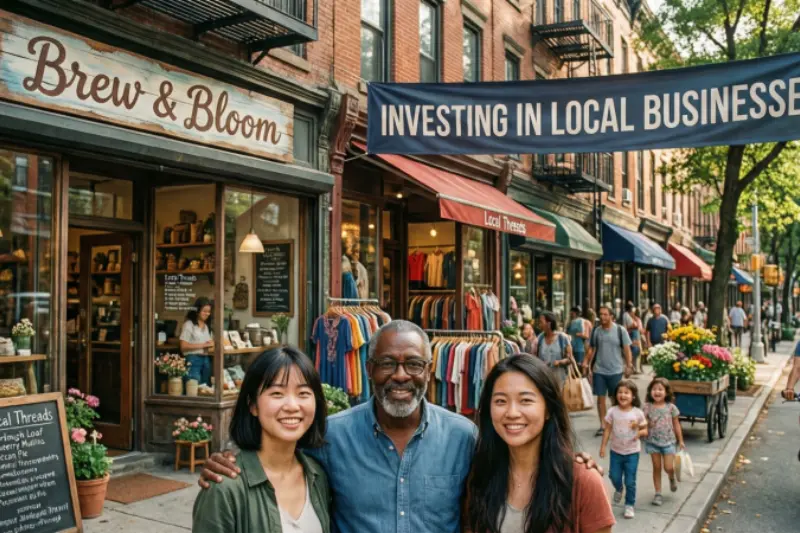
Another exciting way to approach local investing is by putting money directly into local businesses. This can take several forms, like angel investing, small business partnerships, or even local crowdfunding initiatives. Unlike investing in a distant company’s stock, you often get a chance to meet the owners, understand the business model, and see the day-to-day operations.
Why Local Knowledge Reduces Risk
When you’re familiar with the businesses in your community, you have a natural advantage. You know which shops have loyal customers, which services are in demand, and which trends are gaining traction. This insight lets you make informed investment choices rather than relying on generic market data. Essentially, your personal experience becomes a risk management tool.
May be you like it:
Top 10 Best Trading YouTube Channels to Follow in 2025
Funding an LLC: Easy Ways to Get Startup Money
Family Wealth Strategy – Build and Protect Your Legacy
Invest Wisely: Smart Tips for Growing Your Money
Mini Case Study
Imagine Maya, who loves her neighborhood coffee shop. She learns they’re looking for investors to expand into a second location. Because she’s a regular, she understands the quality of their service, the loyalty of their customers, and the potential for growth. She invests a modest amount and also offers advice based on her experience in marketing. Within a year, the shop opens its second location successfully, and Maya sees a return on her investment-plus the satisfaction of supporting a business she genuinely cares about.
Investing in local businesses is not just about financial returns. It’s about strengthening your community, building relationships, and supporting enterprises you believe in. When done thoughtfully, it can be both profitable and personally rewarding.
Community Bonds and Local Funds
If you want to invest locally but prefer a lower-risk, hands-off approach, community bonds and local funds can be a smart option. These are investments offered by municipalities, local development agencies, or community organizations that finance public projects or support local businesses.
Types of Local Investment Options
- Municipal Bonds: Governments issue these to fund infrastructure projects like roads, schools, or public facilities. You lend money and earn interest over time.
- Development Funds: Local organizations often create pooled funds for business growth, affordable housing, or community improvement initiatives.
- Local Initiatives: Some towns run programs that let residents invest in green energy, small business expansion, or cultural projects.
Supporting Your Community While Earning Returns
The beauty of these options is twofold: your money grows, and your community benefits. For example, investing in a local development fund could help renovate a community center while generating steady interest for you. You can actually see-or hear about-the impact of your investment firsthand, which is something most distant investments can’t offer.
Risk vs. Reward
While these investments are generally lower risk than startups or rental properties, returns may be smaller. It’s important to weigh your goals: do you prioritize steady, reliable returns or are you looking for higher-risk, higher-reward opportunities? Many investors find that including a mix of community bonds alongside more active local investments creates a balanced, sustainable portfolio.
Community bonds and local funds are perfect for investors who care about their neighborhoods and want financial growth with tangible social impact. It’s investing with purpose-something that feels good both in your wallet and in your community.
Small-Scale or Side Hustle Investments
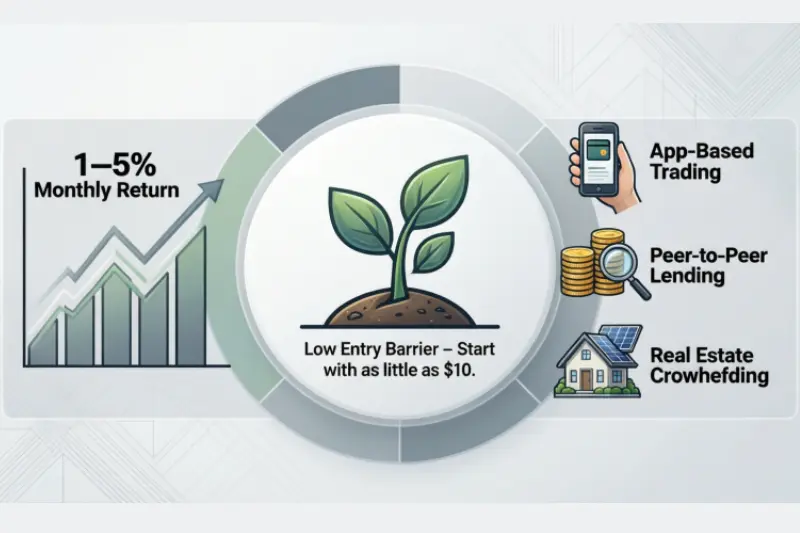
Not every local investment has to be huge or complicated. Sometimes, the smartest way to start is with small-scale projects or side hustles. By collaborating with friends, neighbors, or like-minded locals, you can pool resources, reduce risk, and test the waters before committing big money.
Ideas for Small-Scale Local Investments
- Pop-up shops or markets: Think of temporary food stalls, craft markets, or seasonal shops. They require minimal upfront costs and give you a chance to gauge demand.
- Shared rental properties: Partnering with friends to buy a duplex or small apartment can split costs while generating rental income.
- Mini ventures: Local delivery services, tutoring programs, or small community services can all be started on a modest budget.
Why Starting Small Works
Starting small lets you learn without overcommitting. You can make adjustments quickly, experiment with different strategies, and understand your market firsthand. As you gain confidence and experience, it becomes easier to scale your ventures and increase your returns.
Mini Example
Take Jake and Priya, two neighbors who noticed a demand for weekend farmers’ markets in their area. They invested a small amount each, rented a stall, and started selling local produce. Within a few months, the stall was popular enough that they expanded into catering for local events-turning a simple side hustle into a profitable local business.
Small-scale investments like these are a great way to dip your toes into local investing. They offer manageable risk, real-world learning, and the satisfaction of seeing your efforts make a direct impact in your community.
Benefits of Local Investing
Investing close to home isn’t just convenient-it comes with some unique advantages that far-off markets can’t offer.
Awareness of Local Trends
When you live in the area where you invest, you gain a natural insight into market trends. You notice which neighborhoods are growing, which businesses are gaining popularity, or where there’s unmet demand. This awareness can lower your investment risk because you’re making decisions based on firsthand knowledge rather than distant reports or generic data.
Hands-On Oversight
Another major benefit is the ability to monitor your investments personally. Whether it’s checking in on a rental property, visiting a local business you invested in, or attending community development meetings, you can act quickly if issues arise. That hands-on approach often leads to better results and faster problem-solving than remote investing.
Positive Community Impact
Local investing isn’t just about your portfolio-it’s about strengthening the community around you. Your money can help small businesses thrive, improve local infrastructure, and even create jobs. There’s a special satisfaction in knowing that your financial growth is also making your town or neighborhood a better place.
In short, local investing offers a triple win: smarter decisions, greater control, and meaningful social impact-all while helping you grow your wealth.
Common Pitfalls and How to Avoid Them
While local investing can be rewarding, it’s not without challenges. Being aware of common pitfalls can save you from costly mistakes and help you make smarter, more sustainable choices.
Overestimating Local Growth
It’s easy to get excited about your neighborhood’s potential, but not every area is poised for rapid growth. Overestimating demand or property appreciation can lead to disappointing returns. Tip: Do your research-look at historical trends, local employment rates, and future development plans before committing.
Ignoring Regulations or Zoning Laws
Local laws matter. From zoning restrictions to business permits and property codes, failing to follow regulations can create headaches or even financial loss. Tip: Always check local rules and consult with experts if needed. Understanding the legal landscape protects your investment and keeps everything above board.
Emotional Overcommitment and Lack of Diversification
It’s easy to fall in love with a business or property because it’s in your neighborhood or has sentimental value. But emotional attachment can cloud judgment. Similarly, putting all your money into one investment-no matter how promising-can be risky. Tip: Diversify across different projects, businesses, or property types, and keep a clear, objective view on potential returns.
Being mindful of these pitfalls doesn’t mean avoiding local investing-it means approaching it strategically and responsibly, which increases your chances of long-term success.
Tips for Success in Local Investing
If you want your local investments to really pay off, a little strategy goes a long way. Here are some tips to help you navigate the local market like a pro.
Leverage Your Local Network
Your neighbors, friends, and local business owners are more than just acquaintances-they’re valuable sources of insight. They can alert you to upcoming opportunities, recommend trustworthy contractors, or even become potential partners. Networking locally gives you a competitive edge that remote investors simply don’t have.
Stay Informed Through Workshops and Seminars
Even if you know your area well, markets change. Attend local real estate seminars, business workshops, or community development meetings. Staying informed ensures that your decisions are based on current trends, regulations, and opportunities, not outdated assumptions.
Start Small, Monitor, and Scale Gradually
One of the smartest ways to approach local investing is to start small. Test the waters with a single rental, a small business partnership, or a minor side project. Monitor results closely, learn from mistakes, and gradually scale up. This approach reduces risk while letting you gain hands-on experience and confidence.
Be Patient and Hands-On
Local investing often rewards those who are patient and proactive. Check in on your properties or business ventures regularly, communicate with partners or tenants, and make small improvements as needed. A little attention goes a long way in protecting your investment and maximizing returns.
By following these tips, you can make the most of your local investments while keeping risk manageable and your community thriving. Local investing isn’t just about money-it’s about making smart choices and seeing tangible results close to home.
May be you like it:
Top Finance Webinars to Boost Your Money Skills
My Funding Choice: Find the Best Way to Finance Your Goals
Wealth and Success – Habits That Transform Your Future
Invest Criteria: How to Choose Smart Investments
FAQs
What is local investing?
Local investing is putting your money into opportunities in your own community, like rental properties, small businesses, or local development funds, instead of distant markets.
Why should I consider local investing?
It gives you an advantage because you understand the local market, can oversee your investments personally, and support your community while growing wealth.
What are common types of local investments?
Popular options include local real estate (rentals or duplexes), small business partnerships or crowdfunding, community bonds, and small side ventures like pop-up shops.
What are the risks of local investing?
Risks include overestimating local growth, ignoring regulations or zoning laws, and putting all your money in one project without diversification.
How can I succeed in local investing?
Start small, leverage your local network, stay informed through workshops or seminars, monitor your investments closely, and scale gradually.
Is Local Investing Right for You?
Local investing isn’t for everyone-but for the right person, it can be incredibly rewarding. It’s not just about making money; it’s about using your knowledge, connections, and presence to create real impact.
Ask yourself:
- Do I know my local market better than outsiders?
- Am I willing to be hands-on with my investments?
- Do I want my money to grow while also supporting my community?
If your answers lean toward yes, local investing could be a perfect fit. From rental properties and small businesses to community funds and side hustles, the opportunities are wide-ranging. And the beauty is that you don’t just watch your money grow-you see the effect it has around you.
Ultimately, local investing combines financial growth, personal involvement, and community impact in a way that few other investment strategies can. So, take a look around-you might find that the smartest investments aren’t on some far-off exchange, but right in your own backyard.
Conclusion
Local investing isn’t about chasing hype or quick wins. It’s about using what you already know-your neighborhood, your people, your market-to make smarter financial choices. When you invest close to home, you gain visibility, control, and a deeper connection to where your money goes.
Whether it’s real estate, small businesses, or community projects, local investing lets you grow wealth while strengthening the place you live. Start small, stay informed, and stay involved. Over time, you may find that the most meaningful returns come from investing right where life happens.
May be you like it:
Best Day Trading Setup – Simple Strategies That Work
Business Finance Definition Made Easy for Understanding Info
