

Introduction:
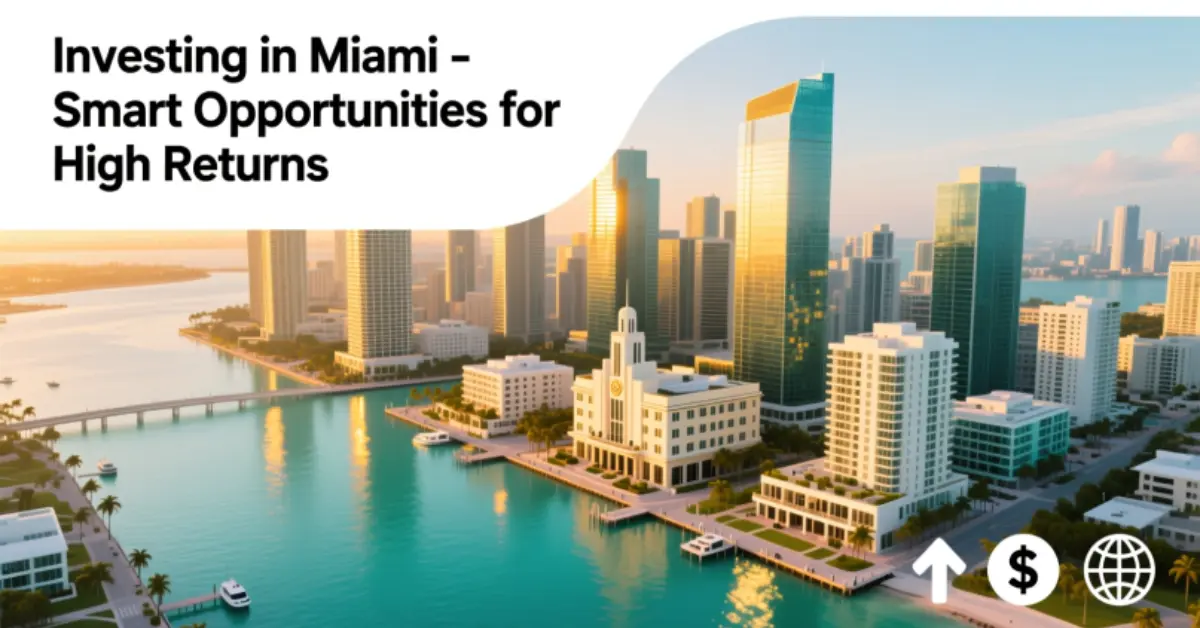
investing in Miami isn’t just about sunny beaches and vibrant nightlife-it’s fast becoming one of the most attractive cities for investors. Why? For starters, the city’s population is growing steadily, bringing in new residents from across the U.S. and around the world. More people mean more demand for housing, services, and business opportunities.
On top of that, Miami’s economy is diversifying. While tourism remains strong, the city is also seeing growth in finance, tech startups, and international trade. It’s not just a vacation hotspot anymore-it’s a serious business hub.
And let’s not forget the global appeal. investing in Miami serves as a gateway to Latin America, attracting foreign investors and international companies looking to establish a presence in the U.S. Combine this with an enviable lifestyle-beaches, culture, and year-round sunshine-and it’s clear why investors are flocking here.
In short, Miami isn’t just a place to live or vacation; it’s a city that offers opportunities to grow your wealth if you know where to look.
Table of Contents
Overview of the Miami Real Estate Market
If you’re thinking about investing in Miami, it helps to understand the city’s real estate market. Over the past few years, Miami has seen steady price appreciation, making it one of the fastest-growing property markets in the U.S. Condos and single-family homes in areas like Brickell, Wynwood, and Edgewater have experienced noticeable value increases, and many experts expect this trend to continue.
What’s driving this demand? A mix of factors. Population growth is a big one-more people moving in means more buyers and renters competing for homes. Then there’s the influx of international investors, especially from Latin America and Europe, who see Miami as both a lifestyle destination and a business hub. Add the city’s appeal to remote workers and retirees looking for sun and lower taxes, and you’ve got a recipe for strong, sustained demand.
Another trend is the shift toward luxury and mixed-use developments. High-rise condos with amenities like gyms, pools, and co-working spaces are selling quickly, especially in prime neighborhoods. But there’s also opportunity in more affordable, up-and-coming areas, where investors can buy at a lower price and benefit from future appreciation.
In short, Miami’s real estate market isn’t just hot-it’s dynamic, with plenty of room for smart investors to find profitable opportunities.
Residential Property Opportunities

When it comes to investing in Miami, residential real estate is often the first thing that comes to mind-and for good reason. From condos with ocean views to charming single-family homes and multi-family units, there’s a variety of options to fit different investment strategies and budgets.
May be you like it:
Top 10 Best Trading YouTube Channels to Follow in 2025
Funding an LLC: Easy Ways to Get Startup Money
Family Wealth Strategy – Build and Protect Your Legacy
Invest Wisely: Smart Tips for Growing Your Money
Condos
Condos are extremely popular, especially in neighborhoods like Brickell, Downtown, and Edgewater. They offer convenience, amenities, and often great rental potential. Imagine a condo just a few blocks from the beach-tourists and short-term renters are practically lining up to pay premium rates.
- Mini example: A one-bedroom condo in Brickell could rent for $2,500 a month, while still appreciating steadily in value over time.
Single-Family Homes
Single-family homes are ideal if you’re looking for long-term growth and stability. Neighborhoods like Coral Gables, Coconut Grove, and Pinecrest have strong resale value, good schools, and family-friendly environments. These homes often attract buyers or long-term tenants willing to pay higher prices, which can mean consistent rental income for investors.
Multi-Family Units
Multi-family properties, like duplexes or small apartment buildings, are another way to maximize cash flow. You can live in one unit and rent the others, or rent all units out for steady monthly income. Miami’s rental demand is strong, particularly near universities, business hubs, and tourist-heavy areas, making multi-family units a solid investment choice.
Neighborhood Hotspots: While luxury areas get a lot of attention, some up-and-coming neighborhoods are offering amazing value for investors willing to do a bit of research. Places like Little Haiti, Allapattah, and parts of Wynwood are seeing revitalization, meaning properties bought today could significantly appreciate in a few years.
Short-Term and Long-Term Rental Potential
Another major aspect of investing in Miami is rental income. Whether you’re considering short-term vacation rentals or long-term leases, Miami offers opportunities to generate steady cash flow-and sometimes both at the same time.
Short-Term Rentals
Miami is a global tourist hotspot, which makes short-term rentals incredibly lucrative. Platforms like Airbnb and Vrbo allow property owners to capitalize on seasonal demand. Condos near South Beach, Brickell, or Wynwood can fetch premium rates, especially during peak tourist seasons or big events like Art Basel.
- Mini example: A one-bedroom condo near South Beach could easily rent for $200–$300 per night during high season. Even renting just half the month could surpass what many long-term rentals earn annually.
Pro tip: Check local regulations before committing. Some neighborhoods have restrictions or licensing requirements for short-term rentals. It’s better to know upfront than get caught with fines later.
Long-Term Rentals
Long-term rentals offer stability and less management hassle. Miami’s growing population, fueled by new residents and remote workers, means demand for long-term housing is rising. Single-family homes and multi-family units in neighborhoods like Coral Gables or Coconut Grove often attract tenants willing to pay top dollar for quality, safety, and convenience.
- Mini insight: Long-term leases can provide a predictable monthly income, making them ideal for investors who prefer consistency over occasional spikes from vacation rentals.
Reflective question: Do you want higher short-term returns with more active management, or steady, predictable income through long-term rentals-or maybe a mix of both?
Commercial Real Estate Investments
While residential properties often grab the spotlight, commercial real estate in Miami presents some of the most lucrative opportunities for investors. From office spaces to retail units and mixed-use developments, there’s plenty to explore-especially in a city that’s rapidly becoming a hub for international business.
Office Spaces
Downtown Miami and Brickell are the heart of the city’s business activity. Office spaces here attract both local and international companies, particularly in finance, law, and tech. Leasing to businesses can provide higher, more stable returns compared to residential properties, especially if you secure long-term tenants.
- Mini example: A small office unit leased to a startup can provide a steady income while your property appreciates in value as the neighborhood grows.
Retail Units
Retail properties-like shops, cafes, or restaurants-benefit from Miami’s heavy foot traffic and tourism. Location is everything here; spaces near popular streets, shopping areas, or entertainment districts often command higher rents.
Mixed-Use Properties
Mixed-use developments combine residential, office, and retail spaces in one property. These are increasingly popular in Miami, particularly in areas like Wynwood and Edgewater. They offer diversified income streams, meaning if one sector slows, the others can help maintain cash flow.
International Business Hubs
Miami’s strategic position as a gateway to Latin America and the Caribbean attracts global corporations. Investing in commercial real estate here isn’t just about local demand-it’s also about positioning yourself in a city that connects markets worldwide.
Emerging Sectors Beyond Real Estate

Miami isn’t just a hotspot for property investors-its economy is evolving, opening doors for opportunities in sectors beyond real estate. If you’re thinking about investing in Miami, looking at tech startups, venture capital, and innovative industries can diversify your portfolio and boost potential returns.
Tech Startups
In recent years, Miami has been attracting tech entrepreneurs and startups from across the U.S. and Latin America. From fintech and blockchain to health tech and e-commerce, the city is slowly becoming a southern tech hub. Early-stage investments here can offer substantial upside-but they also come with higher risk.
- Mini example: Investors who backed Miami-based fintech startups just a few years ago are now seeing exponential growth as these companies expand nationally and internationally.
Venture Capital Opportunities
With the influx of startups, venture capital opportunities are growing. Angel investing, seed funding, and equity stakes in promising companies can provide high returns, especially if you have an eye for innovation and a willingness to take calculated risks.
Innovative Industries
Miami is also embracing sectors like green energy, smart infrastructure, and creative industries. These emerging fields not only have long-term growth potential but also attract socially conscious investors looking to combine profit with impact.
Sustainable and Smart Development Trends
Miami isn’t just growing-it’s evolving. Investors who pay attention to sustainable and smart development trends can position themselves for long-term success while contributing to a healthier, more resilient city.
Green Buildings
Eco-friendly buildings are becoming increasingly popular in Miami. From energy-efficient appliances to solar panels and smart water systems, these properties appeal to environmentally conscious buyers and renters. Green features often allow you to charge premium rents and improve resale value over time.
- Mini example: A condo with solar panels and energy-efficient cooling systems in Edgewater might attract tenants willing to pay extra, not just for comfort, but for the lower utility bills and sustainability factor.
Smart Homes and Technology
Tech-savvy buyers and renters are seeking smart homes equipped with automated lighting, climate control, and security systems. Properties with these features stand out in competitive markets and often command higher prices.
Future-Proof Investments
Sustainable developments aren’t just trendy-they’re future-proof. With Miami facing challenges like rising sea levels and stricter environmental regulations, investing in resilient, eco-friendly properties can protect your capital and ensure long-term profitability.
Risks and Challenges to Consider
While Miami offers exciting opportunities for investors, it’s not without risks. Understanding the challenges upfront can save you time, money, and stress down the road.
Climate and Hurricane Risks
Miami’s tropical location means hurricanes and tropical storms are a reality. Properties in flood-prone areas may require additional insurance or mitigation measures, which can impact your overall investment costs.
- Mini insight: Some savvy investors pay a bit more upfront for hurricane-resistant features or elevated construction-they see it as a small price for peace of mind and long-term security.
Insurance Costs
Insurance in Miami can be pricey, especially for properties near the coast. It’s important to factor premiums into your ROI calculations so you’re not caught off guard.
Zoning Laws and Regulations
Short-term rental regulations, building codes, and zoning restrictions vary by neighborhood. Not knowing the rules can lead to fines or limit your investment potential. Always check local laws before committing.
Market Fluctuations
Real estate markets can ebb and flow. While Miami has shown steady growth, factors like economic shifts, interest rate changes, or unexpected events can affect property values and rental demand.
Tips for Smart Investing in Miami
If you’re serious about investing in Miami, a thoughtful approach can make all the difference. Here are some practical tips to help you make smarter, higher-return decisions:
Do Your Research
Knowledge is power. Study neighborhoods, market trends, and upcoming developments before making a purchase. Some areas may look trendy now, but understanding growth potential and historical performance can help you pick winners.
- Mini example: Little-known neighborhoods like Allapattah and Little Haiti are seeing revitalization, making them attractive for investors willing to think ahead.
Diversify Your Investments
Don’t put all your eggs in one basket. Mix residential and commercial properties, consider short-term and long-term rentals, or explore emerging sectors like tech and green developments. Diversification can balance risk and maximize potential returns.
Leverage Local Expertise
Miami’s market has its nuances. Partnering with local real estate agents, property managers, and financial advisors gives you insider knowledge you can’t get from online research alone. Local expertise can save you time and prevent costly mistakes.
Think Long-Term
Miami’s market rewards patience. Properties may not skyrocket overnight, but holding onto well-chosen investments can generate steady appreciation and rental income over time.
- Mini insight: Many successful investors started with just one property, learned the ropes, and gradually expanded their portfolio, reinvesting profits strategically.
Reflective question: Which of these strategies could fit your style-research-driven, diversified, locally guided, or long-term focused? Or maybe a combination of all four?
May be you like it:
Top Finance Webinars to Boost Your Money Skills
My Funding Choice: Find the Best Way to Finance Your Goals
Wealth and Success – Habits That Transform Your Future
Invest Criteria: How to Choose Smart Investments
FAQs
Is Miami a good city for real estate investment?
Absolutely. Miami has a growing population, a diverse economy, and global appeal, making it attractive for both residential and commercial investments. Areas like Brickell, Wynwood, and Edgewater offer strong appreciation and rental potential.
Should I invest in short-term or long-term rentals in Miami?
It depends on your goals. Short-term rentals (like Airbnb) can yield higher income during tourist seasons but require active management. Long-term rentals offer stable, predictable income with less day-to-day work. Many investors choose a mix of both.
What are the risks of investing in Miami real estate?
Key risks include hurricanes, high insurance costs, zoning laws, and market fluctuations. Doing thorough research, understanding local regulations, and investing in resilient properties can help mitigate these risks.
Are there opportunities beyond real estate in Miami?
Yes. Miami is growing as a hub for tech startups, venture capital, and innovative industries. Investors can explore equity stakes, angel funding, or businesses in emerging sectors like green energy and smart infrastructure.
How can I start investing in Miami if I’m new?
Start by researching neighborhoods and property types, connect with local experts (agents, property managers, or financial advisors), and begin with a manageable investment. Scaling gradually while staying informed allows you to maximize returns safely.
Conclusion
Investing in Miami offers a unique mix of lifestyle appeal, economic growth, and long-term wealth-building potential. From residential condos and single-family homes to commercial properties and emerging sectors like tech and sustainable development, the city provides opportunities for both steady income and high returns.
Of course, it’s not without challenges. Hurricanes, insurance costs, zoning laws, and market fluctuations all require careful planning and research. But with a smart, diversified strategy, local expertise, and a long-term perspective, investors can navigate these risks successfully.
At the end of the day, investing in Miami isn’t just about numbers-it’s about understanding the city, spotting opportunities, and making decisions that align with your goals. So take a look around, do your homework, and consider which neighborhoods, property types, or sectors match your vision. Your next investment might just be waiting under the Miami sun.
May be you like it:
Best Day Trading Setup – Simple Strategies That Work
Business Finance Definition Made Easy for Understanding Info
