

Introduction
Have you ever looked at property prices back home and thought, “There has to be a better option?” That’s exactly what draws so many investors to Mexico. It’s not just the stunning beaches or vibrant culture-although those help-but the unique combination of affordability, strong rental demand, and long-term growth potential.
Real estate investing in Mexico offers something rare: you can find properties that make financial sense and actually enjoy them. Whether you’re thinking about vacation rentals, long-term income, or a future retirement home, Mexico provides opportunities that feel both tangible and strategic. And unlike some markets that seem overhyped, the demand here is real, sustainable, and growing.
By understanding the market, local regulations, and cost structure, investors can make smart, informed decisions-and turn curiosity into meaningful returns.
Table of Contents
Current Market Overview
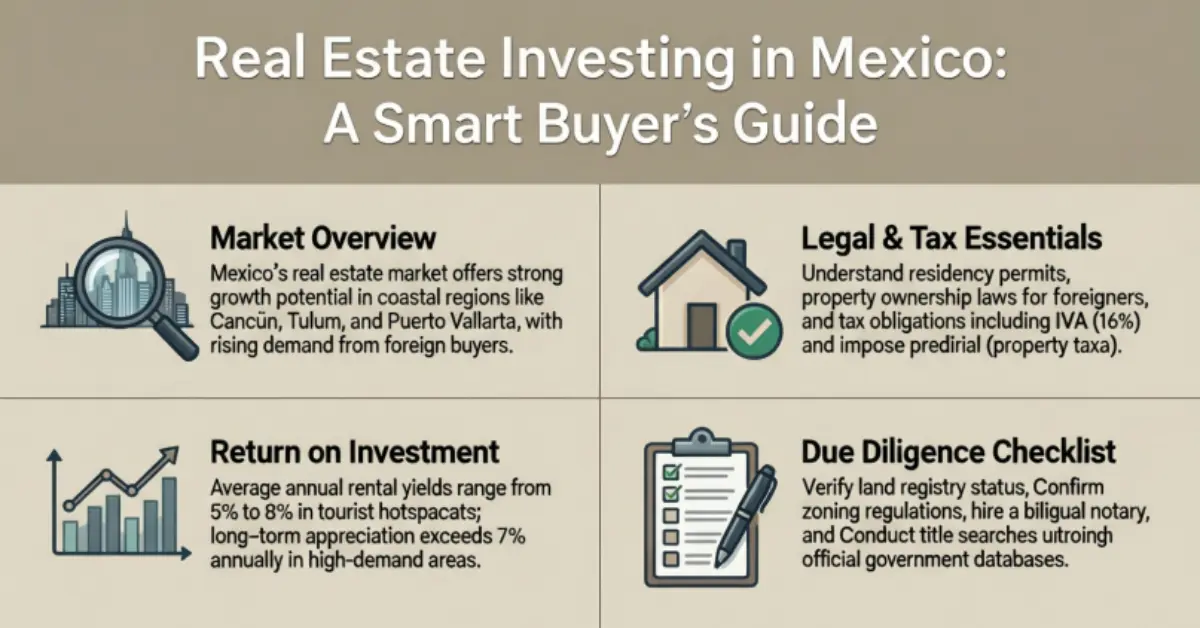
One of the first things that catches investors’ attention in Mexico is affordability. Compared to cities in the U.S., Canada, or Europe, you can still find properties-whether condos, houses, or beachfront rentals-at prices that make sense for both living and investing. That doesn’t mean it’s “cheap” or a bargain for the sake of it; it means your money goes further without sacrificing quality or location.
Growth trends are another reason Mexico has been on investors’ radars. Coastal towns like Tulum, Playa del Carmen, and Puerto Vallarta are seeing steady increases in property values, driven by tourism, digital nomads, and retirees looking for lifestyle-friendly locations. Even Mexico City continues to grow steadily, fueled by local demand for rentals and the city’s expanding middle class.
And then there’s rental demand. Across popular areas, there’s consistent interest from multiple types of tenants: vacationers, remote workers, and long-term renters. That mix makes rental income more reliable than in markets dependent on a single type of tenant. For investors, it’s like having several safety nets in one property.
In short, the Mexican real estate market combines accessible entry prices, growing property values, and strong rental potential-making it a smart choice for investors willing to do their homework.
Popular Investment Locations

Not all Mexican real estate markets are created equal. Each city or region has its own vibe, rental potential, and lifestyle perks. Picking the right location isn’t just about the view-it’s about who will live or rent there and what kind of returns you can realistically expect.
- Mexico City – The capital is a hub for professionals, students, and local renters. Properties here tend to offer steady long-term rental income, even if the city lacks beachfront glamour. It’s perfect if you’re looking for consistency over quick gains.
- Playa del Carmen – A lively coastal town with a mix of tourism and long-term residents. Short-term vacation rentals do well here, but there’s also room for long-term leasing. It’s a great balance between lifestyle appeal and rental stability.
- Tulum – Known for its trendy beaches and eco-conscious vibe, Tulum attracts digital nomads and vacationers. Rental rates can be high, but the market is competitive, and careful property selection is crucial.
- Puerto Vallarta – A favorite among retirees and expats, this city offers a reliable long-term rental market. It’s less flashy than Tulum but provides steady income and a welcoming community.
- Los Cabos – Luxury is the name of the game here. Nightly rental rates can be impressive, but the entry price is higher. This market suits investors looking for premium returns and clientele willing to pay for exclusivity.
Each of these locations serves a different investor goal. Ask yourself: Am I chasing steady income, high short-term returns, lifestyle enjoyment, or a mix of all three? The answer will guide not just where you buy, but how you structure your investment.
May be you like it:
How Long Does It Take to Learn Day Trading Effectively?
Boost Your Career with an Online Accounting Diploma
Smart Strategies for Generational Wealth Management
What Is a Smart Investment – Simple Guide for Beginners
Legal Considerations for Foreign Buyers
If you’re a foreign investor, the first thing you’ll hear about buying property in Mexico is the word “fideicomiso.” It sounds intimidating, but it’s really just a bank trust that allows foreigners to buy property in restricted zones-mainly within 50 km of the coast or 100 km of the borders. Think of it as a legal safety net: the bank technically holds the title, but you retain full control. You can sell it, rent it, or even pass it to your heirs, just like any other property.
Outside these restricted areas, foreign buyers can hold direct ownership with a standard property deed. That means no bank trust is needed-ownership works similarly to how it would in your home country.
Here’s the key takeaway: never skip legal guidance. Even a small oversight, like unclear title documents or missing permits, can turn what seemed like a great investment into a headache. Hiring a reputable real estate attorney isn’t just a recommendation-it’s essential. They’ll ensure all paperwork is correct, the property has no hidden liens, and your investment is fully protected.
In short, understanding how Mexico handles foreign ownership and getting professional guidance upfront can save you time, money, and stress-and keep your investment on solid ground.
Costs Beyond Purchase Price
One of the biggest surprises for new investors in Mexico is that the purchase price isn’t the whole story. Sure, the property might seem affordable at first glance, but there are several additional costs you’ll want to plan for.
- Closing fees – Typically 5–8% of the property price, covering notary fees, registration, and legal processing.
- Property taxes – Surprisingly low compared to the U.S. or Canada, but still something to budget annually.
- HOA or condo fees – Common in gated communities and high-rise condos; these cover maintenance of shared spaces.
- Property management – If you plan to rent out your property, hiring a local manager can save headaches but comes at a cost.
- Maintenance and repairs – Weather, wear-and-tear, and utilities mean budgeting a little extra each year is smart.
A practical tip? Create a 10–15% buffer on top of the purchase price. This ensures you aren’t caught off guard by hidden costs or seasonal repairs. Investors who do this early find they sleep a lot easier at night.
Mexico is affordable, yes-but smart budgeting turns a good deal into a truly profitable investment.
Rental Strategies: Short-Term vs Long-Term
Once you’ve bought a property, the next big question is: How will it make money? That usually comes down to choosing between short-term vacation rentals and long-term leases-and each has its own advantages.
Short-Term Vacation Rentals
These are perfect if your property is in a tourist-heavy area like Tulum, Playa del Carmen, or Los Cabos. You can charge higher nightly rates, especially during peak season, which can lead to impressive returns. The trade-off? More management is required-think cleaning between guests, handling bookings, and staying on top of seasonal demand.
Long-Term Leases
Leasing to local tenants or expats provides steady, predictable monthly income. You won’t make as much per month as with a vacation rental, but the stability can be worth it. Plus, you’ll spend less time managing the property and fewer headaches with turnover.
How to Choose
The decision comes down to your goals and lifestyle. Ask yourself: Do I want higher short-term returns and don’t mind a hands-on role, or do I prefer consistent income and lower involvement? Some investors even mix both strategies, renting short-term during peak tourist months and offering long-term leases the rest of the year.
The key is understanding your target audience. Know who will stay in your property, what they’re willing to pay, and how much effort you’re willing to invest. That clarity makes the difference between a stressful property and a profitable one.
Financing Options for Foreign Investors
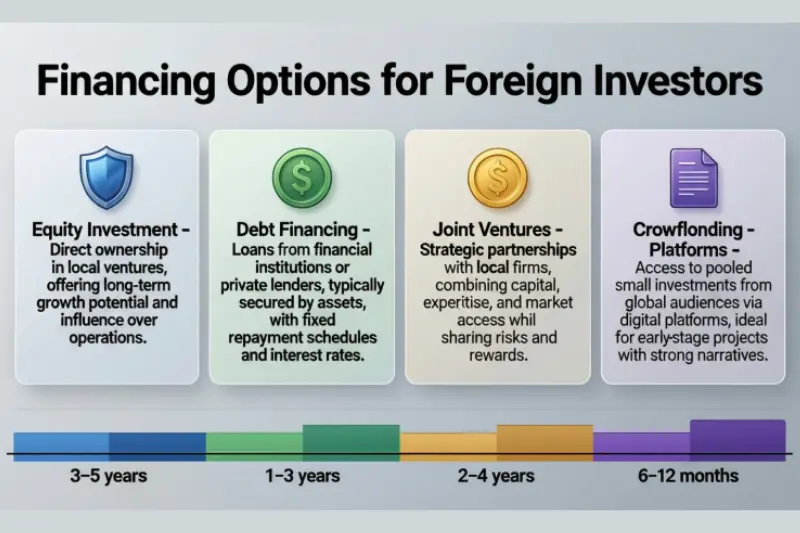
When it comes to buying property in Mexico, most foreign investors choose cash purchases. It might seem limiting at first, but paying in cash simplifies the process, speeds up transactions, and avoids the hurdles of Mexican bank financing. Many buyers also feel more secure owning the property outright from day one.
Mexican Bank Mortgages are available, but they come with a few catches. Interest rates are usually higher than in the U.S. or Canada, approval can take longer, and banks have stricter income and documentation requirements for foreigners. If you’re relying on a mortgage, patience and careful planning are essential.
Many investors explore alternative financing options as well. Some use home equity from their property back home, while others arrange private loans through trusted networks. These options can help you act quickly on a deal, especially in competitive areas like Tulum or Playa del Carmen.
The takeaway? Cash is king for simplicity, but if financing is necessary, know the landscape, prepare the paperwork, and always plan for contingencies. Being realistic here can prevent unnecessary stress and keep your investment on track.
Common Risks and Mistakes
Even the most exciting real estate opportunities come with pitfalls, and Mexico is no exception. The key to success is knowing what can go wrong-and avoiding it before it happens.
Skipping legal checks is probably the number one mistake. Some investors get excited about a property and assume everything is fine. But unclear titles, missing permits, or unverified ownership can turn a promising deal into a legal nightmare. Always have a qualified real estate attorney review everything before signing.
Buying pre-construction without proper research is another trap. Developers vary in quality, timelines can slip, and promises on finishes or amenities aren’t always delivered. Visit projects in person if possible, check past work, and ask for references. A little due diligence upfront saves major headaches later.
Overestimating rental demand can also hurt your returns. Just because a property is in a tourist area doesn’t guarantee year-round bookings or high occupancy. Understanding who your renters will be, when they travel, and what they’re willing to pay is crucial. Sometimes a smaller, less flashy property in the right location outperforms a “dream condo” on paper.
The bottom line: Mexico rewards careful, informed investors. Patience, research, and professional guidance aren’t just nice-they’re essential for turning a great property into a successful investment.
Lessons from Experienced Investors
One thing you quickly learn in real estate investing-especially in Mexico-is that your first property teaches lessons, and your second property earns money. It sounds simple, but the experience gap is real.
With the first property, investors often discover:
- Which locations actually attract renters consistently
- Which developers or real estate agents are trustworthy
- How to navigate legal processes and avoid common pitfalls
By the time you’re looking at your second property, you know what to ask, what to inspect, and how to structure deals efficiently. This is where real experience pays off-and why learning from others can be so valuable.
How to avoid beginner mistakes:
- Always verify titles and legal documents before committing
- Research the local rental market instead of assuming tourist popularity equals rental income
- Don’t overpay for a property just because it looks perfect in photos
- Take your time-rushed decisions often cost more than patience
In short, tapping into the wisdom of seasoned investors and learning from your own early experiences can save years of trial and error. In Mexico, this kind of preparation often separates a profitable investment from a stressful one.
May be you like it:
Free Trading Webinar: Learn Smart Market Strategies
Certificate in Business Management Online: Your Career Boost
Smart Generational Wealth Planning for Lasting Legacy
Top Personal Investment Company Tips for Smart Investors
FAQs
Can foreigners buy property in Mexico?
Yes. Foreigners can buy property, even near the coast, using a fideicomiso (bank trust), or own directly outside restricted zones.
Is real estate in Mexico really affordable?
Generally, yes. Compared to the U.S. or Canada, property is more accessible, though costs vary by city and type of property.
Which areas are best for rental income?
Coastal towns like Tulum, Playa del Carmen, and Los Cabos are great for short-term rentals, while Mexico City and Puerto Vallarta are better for long-term tenants.
Do I need a lawyer to buy property?
Absolutely. A qualified real estate attorney ensures the title is clean and all legal requirements are met—saving you from future headaches.
Can I finance a property in Mexico?
Yes, but cash is simpler. Mexican bank mortgages exist, but rates are higher and approval takes longer. Many investors use cash or financing from their home country.
What are the hidden costs I should know?
Closing fees, taxes, HOA fees, property management, and maintenance—these often add 10–15% to your initial budget.
Should I focus on short-term or long-term rentals?
It depends on your goals. Short-term can earn more but requires management; long-term provides stability with less effort.
Are pre-construction properties risky?
They can be. Always research the developer, check timelines, and inspect past projects to avoid surprises.
How do I know if my property will rent?
Study the local market, know your target audience, and observe occupancy trends—tourist popularity doesn’t always equal reliable rental income.
What’s the biggest lesson experienced investors share?
The first property teaches lessons; the second makes money. Experience, due diligence, and patience make all the difference.
Conclusion
Real estate investing in Mexico isn’t about shortcuts, hype, or chasing the next trendy location. It’s about understanding the market, respecting the legal process, and aligning your investment with your goals.
When done thoughtfully, it offers more than just returns. It provides lifestyle options, rental income, and long-term flexibility that many other markets can’t match. Whether you’re looking for a vacation spot, a steady rental property, or a future retirement home, Mexico offers opportunities that feel tangible and real-if you approach them with patience and preparation.
At the end of the day, the smartest investments aren’t just the ones that look good on paper-they’re the ones that work in real life. And in Mexico, that’s very much possible.
May be you like it:
Stock Market for Beginners PDF – Your Simple Starter Guide
Top MBA Certificate Programs Online for Career Growth
