


Introduction to Wealth Accumulation
Wealth accumulation is more than just a financial buzzword-it’s the process of gradually building your net worth over time through smart saving, investing, and strategic financial decisions. Unlike earning a paycheck, which only covers immediate needs, wealth accumulation is about creating a foundation that supports long-term freedom, security, and opportunity.
Why does it matter? Because financial stability isn’t something that magically appears-it’s built step by step. By accumulating wealth, you gain the ability to handle unexpected emergencies, make life-changing choices without stress, and plan for retirement or other long-term goals. It’s the difference between living paycheck to paycheck and having a cushion that lets you focus on what truly matters.
Who benefits from wealth accumulation? Practically anyone. Whether you’re just starting your career, managing a family budget, or running a small business, the principles of building wealth apply. Even small, consistent actions-like setting aside a portion of your income or investing wisely-can grow into significant financial security over time.
Think of wealth accumulation as planting a tree: you nurture it patiently, and over the years, it grows into shade and fruit. The earlier you start, the more you benefit from time, compounding, and disciplined decisions.
Table of Contents
What is Wealth Accumulation?
Wealth accumulation is the deliberate process of increasing your net worth over time, rather than just relying on your paycheck. It’s not about how much you earn in a given month-it’s about how you manage, grow, and protect the money you have. While earning a high salary can help, income alone doesn’t automatically create wealth. True wealth accumulation combines smart habits, strategic planning, and patience.
At its core, wealth accumulation involves three key components:
- Saving: Setting aside a portion of your income consistently. Savings act as the foundation for everything else-whether it’s an emergency fund, a down payment on property, or initial capital for investments.
- Investing: Putting money to work in assets that grow over time, such as stocks, bonds, index funds, real estate, or business ventures. Investing allows your wealth to multiply beyond what savings alone can achieve, taking advantage of compounding returns.
- Asset Growth & Protection: Beyond saving and investing, wealth accumulation includes acquiring and protecting assets that hold or increase value. This could mean real estate, retirement accounts, or intellectual property, along with measures to safeguard against risks like market fluctuations, debt, or unforeseen expenses.
Unlike simply earning income, which is often linear and temporary, wealth accumulation creates long-term financial security. It gives you the ability to make choices-from pursuing a passion project to retiring comfortably-without being tied to your current paycheck.
Mini Example: Imagine two people earning the same salary. One spends everything they make; the other saves a portion and invests. Twenty years later, the spender may have nothing to show, while the investor has a growing portfolio generating income on top of income. That’s the power of wealth accumulation in action.
Benefits of Wealth Accumulation

The rewards of wealth accumulation go far beyond simply having more money in your bank account. At its heart, it’s about building freedom, security, and options for your life. While the process requires patience and consistent effort, the benefits are tangible and life-changing.
Financial Freedom
One of the most obvious advantages is the ability to make choices without being constrained by money. When you accumulate wealth over time, you’re not living paycheck to paycheck. You can decide to switch careers, take a sabbatical, or pursue a passion project because you have a safety net supporting you.
Security During Emergencies
Life is unpredictable-medical emergencies, job losses, or unexpected expenses can happen to anyone. A strong foundation of accumulated wealth provides a buffer that reduces stress and prevents you from making desperate financial decisions.
Flexibility in Life Decisions
Wealth accumulation allows flexibility in both the short and long term. Want to start a side business, invest in further education, or travel for a few months? Having accumulated resources gives you the freedom to act on opportunities without fear.
Long-Term Stability
Building wealth isn’t just about the present-it’s about the future. Consistent accumulation provides long-term stability, helping you plan for retirement, support a family, or pass on assets to the next generation. Unlike temporary spikes in income, wealth accumulation compounds over time, creating a lasting impact.
Mini Observation: Many people underestimate how small, consistent contributions-like investing a modest percentage of income monthly-can lead to decades of financial stability. It’s the quiet, steady actions that produce life-changing results, not sudden windfalls.
In short, wealth accumulation transforms money into freedom, resilience, and opportunity, giving you control over your life and the peace of mind that comes with financial preparedness.
May be you like it:
How Long Does It Take to Learn Day Trading Effectively?
Boost Your Career with an Online Accounting Diploma
Smart Strategies for Generational Wealth Management
What Is a Smart Investment – Simple Guide for Beginners
Drawbacks and Limitations of Wealth Accumulation
While wealth accumulation offers significant benefits, it’s not without its challenges. Understanding the potential drawbacks helps set realistic expectations and ensures you approach the process with both discipline and patience.
Time Commitment
Wealth accumulation is rarely instant. Unlike earning a paycheck, which provides immediate results, building substantial net worth takes years-even decades. This long horizon can be discouraging for people who expect quick results, and it requires consistent effort over time.
Market and Investment Risks
Investing is a key component of wealth accumulation, but it carries risks. Stock markets fluctuate, real estate values can decline, and business ventures may fail. Even with careful planning, there’s no guarantee that every investment will succeed. The challenge is to stay patient and avoid panic decisions during market downturns.
High Discipline Requirement
The process demands strong financial discipline. Consistently saving, investing, and avoiding lifestyle creep is easier said than done. Many people struggle to maintain consistent habits when faced with sudden expenses, temptations to spend, or societal pressure to “keep up” with peers.
Opportunity Cost
Focusing on long-term wealth accumulation sometimes requires trade-offs. Delaying gratification-such as skipping expensive vacations or luxury purchases-can feel limiting in the short term. Some people may find it difficult to balance enjoying life today with planning for a secure future.
Mini Observation: Even experienced investors admit that maintaining discipline and staying the course during difficult times is one of the hardest parts of building wealth. It’s not a sprint; it’s a marathon that rewards consistency, not impulse.
How to Start Wealth Accumulation
Getting started with wealth accumulation can feel overwhelming, especially if you’re new to budgeting, investing, or long-term financial planning. The good news is that you don’t need to be a financial expert to begin. Small, consistent actions lay the foundation for lasting financial growth.
Track Your Income and Expenses
Before you can grow wealth, you need to understand where your money goes. Start by tracking every source of income and all monthly expenses. This creates a clear picture of your financial habits and helps identify areas where you can save without sacrificing essentials.
Mini Example: Many beginners are surprised to find that small recurring expenses-like subscriptions or daily coffee runs-add up quickly. Adjusting these habits can free up money for saving and investing.
Create a Budget and Set Goals
Once you know your cash flow, create a realistic budget. Allocate money for essentials, discretionary spending, savings, and investments. Setting clear goals-whether it’s building an emergency fund, investing for retirement, or buying a home-provides motivation and direction.
Build an Emergency Fund
Before diving deep into investments, ensure you have a financial safety net. An emergency fund covering 3–6 months of living expenses protects you from unexpected events, reducing the risk of having to dip into your long-term investments.
Start Saving Consistently
Wealth accumulation begins with consistent saving. Even modest contributions-like setting aside 10–15% of your income-can grow significantly over time. The key is consistency, not the initial amount.
Begin Investing Early
Investing allows your money to work for you, rather than sitting idle. Beginners can start with low-cost index funds, retirement accounts (like 401k or IRA), or small real estate investments. The earlier you start, the more time compounding has to multiply your wealth.
Educate Yourself Continuously
Wealth accumulation is a learning process. Read, attend workshops, or consult financial experts to understand investment options and strategies. Knowledge reduces mistakes and empowers smarter decisions.
Mini Reflection: Many people wait until they “know everything” before starting. In reality, starting small and learning along the way is far more effective.
Investment Strategies for Wealth Accumulation

Once you’ve established a budget, savings habits, and an emergency fund, the next step in wealth accumulation is putting your money to work. Investing is where your finances can grow exponentially over time, but it’s important to choose strategies that match your goals, risk tolerance, and timeline.
Stock Market Investments
Stocks are one of the most accessible ways to grow wealth over time. By purchasing shares in companies, you can benefit from price appreciation and, in some cases, dividends. Broad-market index funds or ETFs are a great starting point for beginners because they diversify your investments across many companies, reducing risk while still providing growth potential.
Mini Observation: Many successful investors focus on long-term gains rather than chasing short-term “hot” stocks. Patience is often more profitable than timing the market perfectly.
Real Estate
Investing in property can provide both appreciation and rental income. Real estate is appealing because it’s a tangible asset, often less volatile than stocks, and can generate steady passive income if rented. However, it requires careful planning, including understanding local markets, maintenance costs, and potential vacancies.
Retirement Accounts
Contributing to retirement accounts such as 401(k)s, IRAs, or Roth IRAs is an essential long-term strategy. These accounts often provide tax advantages, employer matching, and the benefit of compounding over decades. They’re low-risk, structured ways to accumulate wealth steadily.
Passive Income Opportunities
Passive income streams-like royalties, digital products, dividend income, or systematized businesses-allow your money or efforts to generate revenue without constant daily input. While these require effort upfront, they contribute to wealth accumulation by adding multiple income sources beyond your primary salary.
Diversification and Risk Management
A balanced strategy usually combines multiple investment types. Diversification spreads risk and smooths out potential losses, making your wealth accumulation more stable over time. For example, combining stocks, real estate, and retirement accounts ensures you’re not overly reliant on a single asset class.
Mini Tip: Start small, stay consistent, and increase contributions as your confidence and financial resources grow. Wealth accumulation isn’t about a single “perfect” investment; it’s about disciplined, diversified growth over time.
May be you like it:
Free Trading Webinar: Learn Smart Market Strategies
Certificate in Business Management Online: Your Career Boost
Smart Generational Wealth Planning for Lasting Legacy
Top Personal Investment Company Tips for Smart Investors
Real-World Applications of Wealth Accumulation
Wealth accumulation isn’t just theory-it’s happening every day in the lives of ordinary people. Understanding how others apply these strategies can provide inspiration and practical insight for your own journey.
Family Financial Planning
Many families use wealth accumulation strategies to secure both short-term needs and long-term goals. For example, parents may start by building an emergency fund, then contribute to retirement accounts, and simultaneously invest in education savings plans for their children. Over time, these combined efforts create a safety net while preparing for future expenses, such as college tuition or homeownership.
Mini Example: One family I know contributes a small portion of each paycheck to a diversified mix of index funds and a college fund. Ten years later, they’re financially confident and can comfortably cover unexpected expenses while still saving for retirement.
Career Transition or Entrepreneurship
Wealth accumulation gives individuals the flexibility to take calculated risks, such as changing careers or starting a business. By saving and investing consistently beforehand, people can pursue new opportunities without financial panic.
Observation: Professionals who have accumulated wealth can leave high-stress jobs, pursue a passion project, or even start a small business knowing they have a cushion to fall back on.
Homeownership and Real Estate Investments
Some use wealth accumulation to purchase property for personal use or investment purposes. Regular savings and smart investments allow individuals to afford down payments sooner and reduce reliance on high-interest loans. Real estate, in turn, can generate passive income or appreciate in value over time, further contributing to wealth.
Early Retirement or Financial Independence
For those pursuing financial independence, wealth accumulation is a deliberate roadmap. By living below their means, investing consistently, and creating multiple income streams, individuals can retire earlier than traditional timelines or reduce dependency on a single source of income.
Lifestyle and Security Benefits
Beyond financial goals, wealth accumulation improves quality of life. People can travel, pursue hobbies, donate to causes they care about, or simply enjoy peace of mind knowing they’re prepared for life’s uncertainties.
Mini Reflection: Wealth accumulation isn’t about extravagance-it’s about freedom and choice. Even modest, consistent actions can create significant results when applied thoughtfully over time.
Comparing Wealth Accumulation Methods
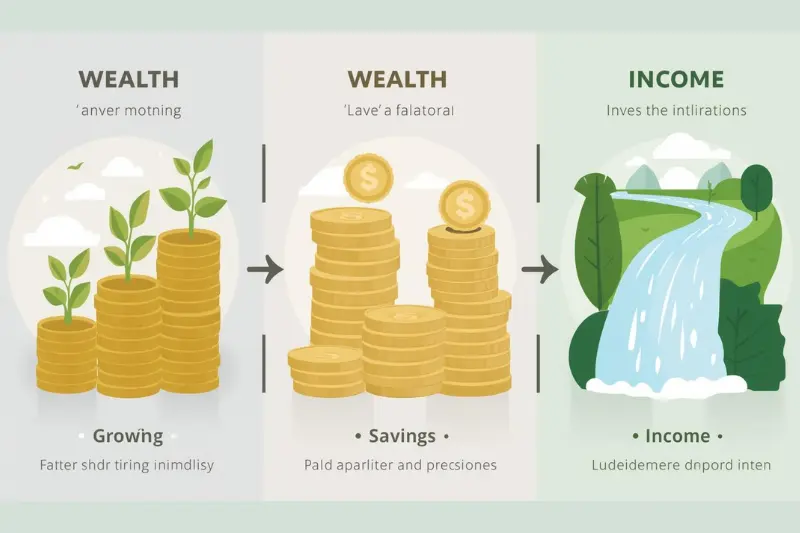
Not all wealth accumulation strategies are created equal, and what works for one person may not work for another. Understanding the differences helps you choose approaches that fit your financial goals, risk tolerance, and timeline.
Stocks vs. Index Funds
- Individual Stocks: Can deliver high returns, but carry higher risk. Success requires research, timing, and patience. They’re better suited for investors who can tolerate volatility and have some market knowledge.
- Index Funds & ETFs: Offer diversified exposure with lower risk and steady growth over time. Ideal for beginners or anyone seeking long-term, low-maintenance wealth accumulation.
Observation: Most financial advisors recommend a mix, but starting with index funds often provides reliable results without the stress of daily market monitoring.
Real Estate vs. Retirement Accounts
- Real Estate: Offers tangible assets, potential appreciation, and rental income. It requires upfront capital, management, and market knowledge. Best for those comfortable with long-term commitments and occasional hands-on involvement.
- Retirement Accounts (401k, IRA, Roth IRA): Low-maintenance, tax-advantaged, and long-term growth-focused. Ideal for individuals who prefer structured, automated saving and investing.
Active vs. Passive Income Streams
- Active Income (Job/Business): Directly tied to your time and effort. Provides immediate cash flow but is limited by hours or energy.
- Passive Income: Includes dividends, royalties, rental income, or online products. Requires upfront effort but can grow independently, providing financial freedom and reducing dependency on a single paycheck.
Mini Insight: Combining strategies often produces the best results. For example, using retirement accounts for steady long-term growth, index funds for flexibility, and real estate or passive income for additional diversification can create a robust wealth accumulation plan.
Key Takeaway
The “best” method depends on your goals:
- Looking for low-risk, hands-off growth? Focus on index funds and retirement accounts.
- Seeking additional income and tangible assets? Explore real estate or side businesses.
- Comfortable with higher risk for potential higher reward? Mix in individual stocks or entrepreneurial ventures.
In short, comparing strategies helps you match your approach to your lifestyle, risk tolerance, and long-term goals, rather than chasing a one-size-fits-all solution.
Frequently Asked Questions
What is wealth accumulation?
It’s the process of steadily increasing your net worth through saving, investing, and growing assets over time.
How much should I save to start building wealth?
Aim to save 10–20% of your income consistently; small amounts add up over time.
Can I accumulate wealth on a moderate income?
Yes. Discipline, smart spending, and consistent investing often matter more than high income.
What’s the safest way to grow wealth?
Focus on diversified investments like index funds, retirement accounts, and building an emergency fund.
How long does it take to see results?
Wealth grows gradually; consistent actions over years compound into meaningful financial security.
Conclusion and Next Steps for Building Wealth
Wealth accumulation isn’t a secret reserved for the lucky or highly paid-it’s a process built on intentional, consistent decisions over time. From understanding your finances, creating a budget, and saving diligently, to investing strategically and protecting your assets, every step contributes to long-term financial freedom.
The key takeaway is simple: small, steady actions compound into significant results. You don’t need to make perfect choices every day. What matters is that you start, stay consistent, and adapt as your life and goals evolve. Even modest contributions to savings or investments today can grow into meaningful wealth in the future.
May be you like it:
Stock Market for Beginners PDF – Your Simple Starter Guide
Top MBA Certificate Programs Online for Career Growth
