

Introduction
Definition of a Trading Card Holder
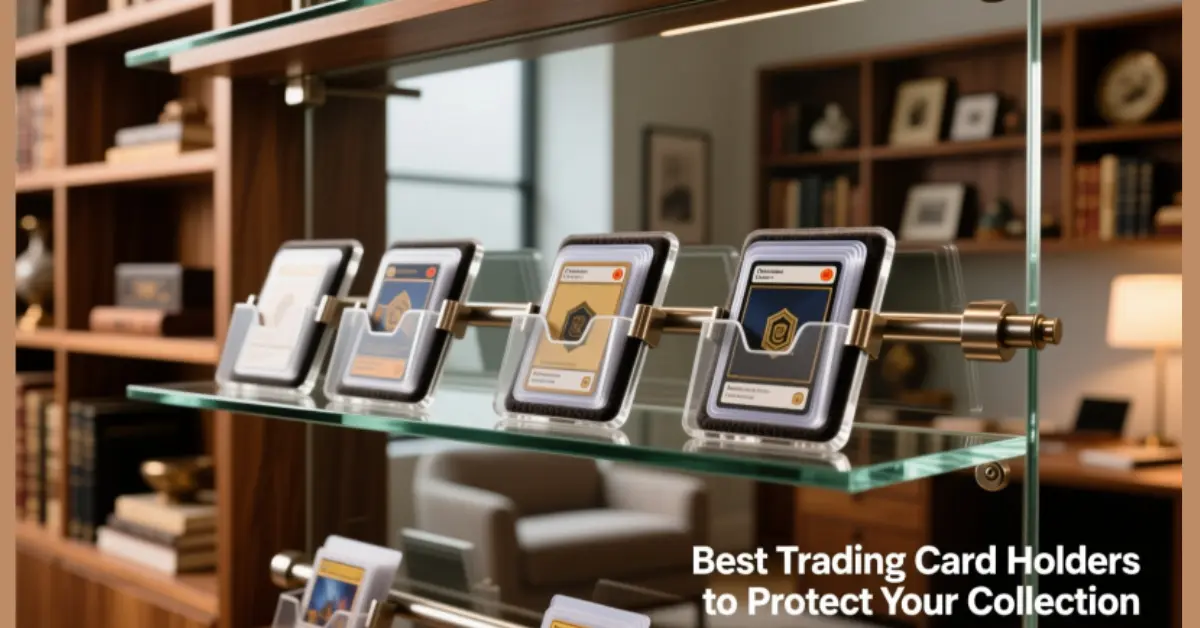
- A trading card holders is a protective accessory designed to store, organize, and safeguard collectible cards from damage, dust, and wear.
Why Collectors Need Them
- Even careful handling can lead to scratches, bends, or faded edges over time. A holder ensures your cards stay in top condition.
Preserving Value
- For rare or high-value cards, protection isn’t just about looks-it preserves their monetary and sentimental value for years.
Organization Made Easy
- Card holders help you categorize, sort, and easily access your collection without digging through stacks or boxes.
Peace of Mind
- Knowing your collection is safe allows you to enjoy it fully, trade confidently, or display cards proudly without constant worry.
Table of Contents
The Importance of Protecting Your Collection
Preventing Physical Damage
Trading cards are surprisingly fragile. Even minor bends, scratches, or spills can dramatically reduce a card’s condition. Using a trading card holders keeps each card safe from everyday accidents.
Preserving Card Value
Condition is everything in the world of collectibles. A pristine card is worth exponentially more than one with a small crease or worn edges. Protecting your cards ensures their value remains intact.
Long-Term Investment Protection
Some trading cards appreciate in value over time. Proper storage isn’t just about now-it’s a long-term strategy to safeguard an asset that could be worth significantly more in the future.
Reducing Stress and Anxiety
Handling cards without protection can be nerve-wracking, especially when trading or showing rare pieces. A holder provides peace of mind, letting you enjoy your hobby without worry.
Ease of Display and Sharing
Well-protected cards are easier to display or lend to friends and fellow collectors without fear of accidental damage. A good holder doubles as both protection and presentation.
Different Types of Trading Card Holders
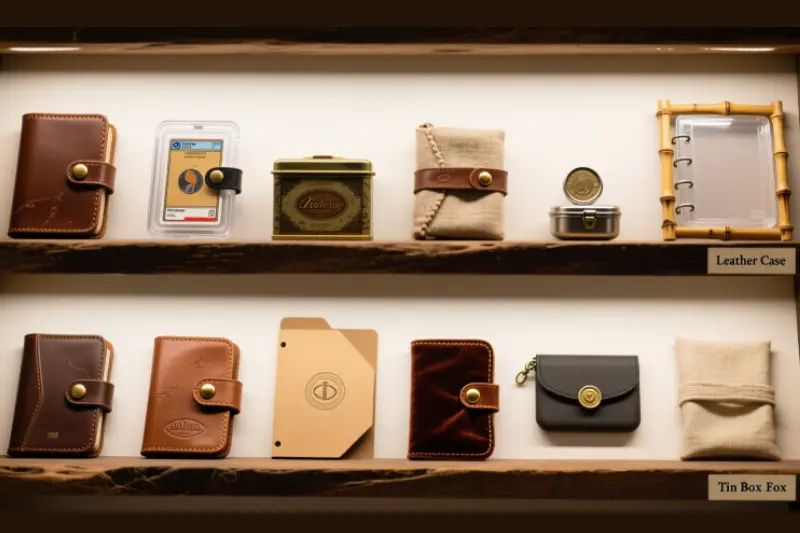
Protecting your cards starts with picking the right type of holder. Each has its purpose, and understanding the differences helps you make the best choice for your collection.
Sleeves
- What they are: Thin, clear plastic covers that slide over individual cards.
- Pros: Affordable, lightweight, easy to swap cards in and out.
- Cons: Minimal protection against bending if stacked carelessly.
- Example: Many Pokémon collectors use sleeves for everyday gameplay or trading.
Toploaders
- What they are: Rigid plastic holders that hold one card securely.
- Pros: Excellent protection from bending and light impact.
- Cons: Bulkier than sleeves, slightly more expensive.
- Mini insight: Toploaders are often used when selling or shipping cards because they maintain shape perfectly.
Card Binders
- What they are: Binders with individual pockets to store multiple cards.
- Pros: Great for organizing large collections and easy access.
- Cons: Cards can slip if the binder isn’t high quality.
- Example: A 3-ring binder with 9-pocket pages is a classic for Magic: The Gathering or sports cards collections.
Display Cases
- What they are: Boxes or stands designed to showcase your cards.
- Pros: Ideal for displaying high-value or favorite cards while keeping them safe.
- Cons: Limited storage, not practical for full collections.
- Tip: Look for UV-protected display cases to prevent color fading from sunlight.
May be you like it:
Top 10 Best Trading YouTube Channels to Follow in 2025
Funding an LLC: Easy Ways to Get Startup Money
Family Wealth Strategy – Build and Protect Your Legacy
Invest Wisely: Smart Tips for Growing Your Money
Choosing the Right Holder for Your Needs
Not all trading card holders are created equal, and picking the right one depends on your collection, habits, and priorities. Here’s how to make an informed choice.
Consider Card Value
- High-value or rare cards deserve extra protection. Think double-sleeving, toploaders, or even hard cases.
- Example: If you’ve got a first-edition Charizard or a rare Magic: The Gathering foil, investing in premium protection is worth every penny.
Collection Size Matters
- Large collections are easier to manage with binders or stackable storage boxes. Small collections? Sleeves and toploaders might be sufficient.
- Mini insight: A binder with labeled pages can save hours of searching through loose cards.
How You Use Your Cards
- Do you trade, play, or just collect? Frequent handling calls for durable holders like toploaders and sleeves. Cards mostly for display might benefit from UV-protected cases or stands.
- Example: Tournament players often sleeve all cards, then use toploaders for their rarest decks.
Personal Preference vs. Practicality
- Some collectors love the look of binders on a shelf, while others prefer compact boxes for portability. It’s about balancing style with what keeps your cards safe.
- Reflective question: Would you rather have easy access for fun or maximum protection for investment? Sometimes the answer is both-but it helps to prioritize.
Materials and Quality to Look For
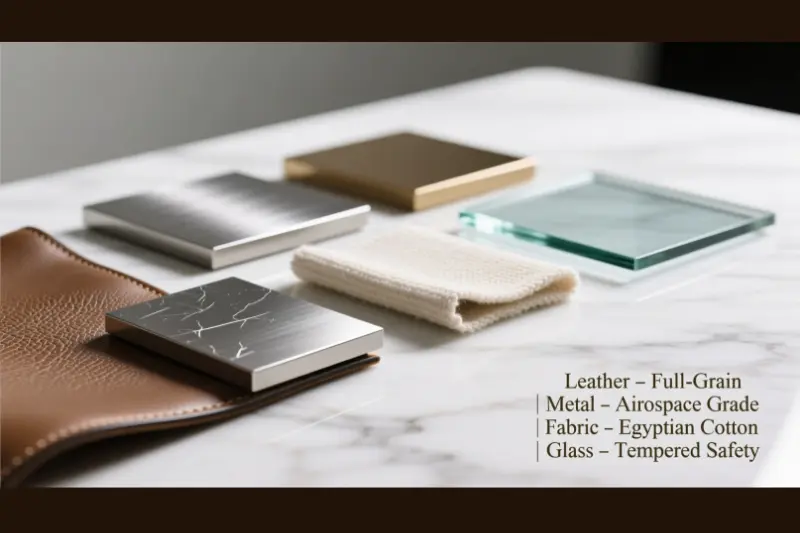
Not all trading card holders are created equal. The material they’re made from plays a huge role in protecting your cards and ensuring they last for years.
Acid-Free Materials
- Acid can slowly damage cards over time, causing yellowing or brittleness.
- Choosing acid-free sleeves or binders ensures your cards stay in pristine condition.
- Example: Collectors of vintage cards, like old baseball cards, almost always opt for acid-free storage to prevent irreversible damage.
PVC-Free Plastics
- PVC can react with cards over time, leaving sticky residue or cloudiness.
- Look for PVC-free holders, which are safer for long-term storage and don’t chemically interact with your cards.
UV-Protected Options
- Sunlight can fade colors and damage surfaces.
- UV-protected sleeves, cases, and display boxes help maintain your cards’ vibrant appearance.
- Mini insight: Even brief exposure to sunlight through a window can gradually dull your cards’ edges or foil.
How Material Affects Longevity
- Cheap plastic may crack, warp, or yellow, defeating the purpose of protection.
- Investing in quality materials-rigid plastics for rare cards, soft acid-free sleeves for daily use-pays off in the long run.
Feel and Handling
- Quality holders should feel smooth and easy to handle, without sticking or scratching.
- You’ll enjoy trading, showing, or organizing cards much more if your holders are functional and user-friendly.
Organizing Your Collection
A trading card holder not only protects your cards but also makes organizing your collection much easier. A well-structured system saves time, reduces frustration, and helps you enjoy your hobby more.
Using Binders
- Binders with pocketed pages are perfect for keeping cards visible and sorted.
- Tip: Use a binder for each category-like Pokémon, Magic: The Gathering, or sports cards-to keep things tidy.
- Mini example: A 3-ring binder with 9-pocket pages lets you flip through cards quickly and keeps them protected from bends.
Individual Pages and Sleeves
- Within binders, individual pages or sleeves can separate rarities, sets, or editions.
- Pro tip: Label each page with the set name or card type-it makes searching a breeze.
Storage Boxes
- Stackable card storage boxes are ideal for overflow or bulk storage.
- Example: For large collections, divide boxes by year, theme, or card type. This method keeps everything accessible without clutter.
Easy Access and Categorization Tips
- Color-code dividers or tabs for quick identification.
- Keep high-value or frequently used cards in a separate section for convenience.
- Reflective question: How often do you need to access your cards? Organizing based on usage can save countless hours in the long run.
Rotation and Maintenance
- Occasionally check for any dust, bends, or warping.
- Rotate cards in display holders to prevent long-term exposure to light or pressure.
May be you like it:
Top Finance Webinars to Boost Your Money Skills
My Funding Choice: Find the Best Way to Finance Your Goals
Wealth and Success – Habits That Transform Your Future
Invest Criteria: How to Choose Smart Investments
Displaying Cards Safely
Once your cards are protected and organized, it’s natural to want to show them off. But displaying them improperly can undo all the effort you’ve put into protecting your collection. Here’s how to do it right.
Display Cases
- Clear acrylic or glass cases are perfect for showcasing high-value or favorite cards.
- Tip: Choose cases with tight seals to prevent dust from settling inside.
- Mini example: Many collectors display their rare sports or Pokémon cards in single-card cases on a shelf, keeping them visible yet secure.
Frames and Shadow Boxes
- Frames allow you to turn cards into decorative pieces while still protecting them.
- Pro tip: Use UV-protected glass or acrylic to prevent sunlight from fading colors.
Stands and Holders
- Small tabletop stands are great for rotating displays or temporary setups for shows or events.
- Example: A Magic: The Gathering collector might display their tournament-winning deck centerpiece on a stand while keeping the rest in binders.
Protecting from Sunlight
- Direct sunlight can fade ink and damage card surfaces over time.
- Place displays away from windows or use UV-filtering glass to extend the life of your cards.
Keeping Dust and Debris Away
- Even indoor dust can accumulate and cause scratches or discoloration.
- Regularly wipe down display cases with a soft cloth and avoid touching cards directly.
Handling Tips to Avoid Damage
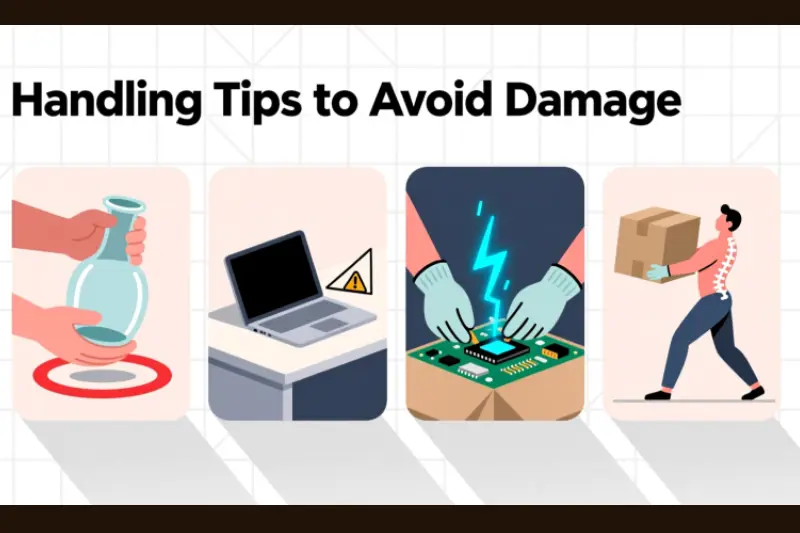
Even the best trading card holder can’t fully protect your collection if cards aren’t handled properly. Small habits make a big difference in keeping your cards pristine.
Keep Your Hands Clean
- Oils, dirt, and moisture from your fingers can leave stains or cause edges to wear over time.
- Tip: Wash and dry your hands before handling cards, or consider using soft cotton gloves for rare or valuable pieces.
Handle Cards Carefully
- Avoid bending or flexing cards when swapping them in or out of holders.
- Mini example: When trading Pokémon cards at a meetup, slide cards gently in and out of sleeves instead of pulling them abruptly-your trading partner (and your card!) will thank you.
Rotate Cards Occasionally
- Cards left in display cases or on a shelf can experience uneven exposure to light or pressure.
- Rotate or move them periodically to ensure even wear and prevent long-term fading.
Mind the Storage Environment
- Cards are sensitive to temperature and humidity.
- Ideal conditions: Store in a cool, dry place. Avoid attics, basements, or areas prone to moisture.
- Mini insight: Even small humidity fluctuations can warp sleeves or make cardboard pages stick together.
Use Proper Lifting and Placement
- When moving cards in binders or boxes, lift gently from the edges.
- Avoid stacking heavy objects on top of card holders, as pressure can bend or crease the cards inside.
Tips for High-Value or Rare Cards
When it comes to rare or high-value trading cards, extra care is essential. These are the pieces that can make or break your collection, so protecting them properly is non-negotiable.
Double-Sleeving for Maximum Protection
- Use a thin inner sleeve plus a rigid outer sleeve (toploader) for extra safety.
- Mini example: Many Magic: The Gathering collectors double-sleeve tournament foils to prevent scratches while keeping cards playable.
Invest in Premium Holders or Cases
- Hard cases, UV-protected boxes, or specially designed premium sleeves provide top-tier protection.
- Pro tip: Avoid stacking rare cards directly; use individual holders to prevent pressure damage.
Consider Insurance
- Extremely valuable cards-like first-edition Pokémon or limited sports cards-may be worth insuring.
- Mini insight: Photograph your collection, keep receipts, and store documentation in a safe place. In the event of loss, theft, or damage, this can save significant headaches and financial loss.
Limit Handling
- High-value cards should be handled sparingly and only when necessary.
- Reflective question: Could a card withstand one careless swap, or would that risk undo years of careful preservation? Limiting contact is the simplest protective step.
Store in Optimal Conditions
- Keep rare cards away from sunlight, extreme temperatures, and humidity.
- Use climate-stable storage areas and avoid temporary or makeshift solutions.
FAQs
What is a trading card holder?
A trading card holder is a protective accessory designed to store, organize, and safeguard collectible cards from bends, scratches, dust, and sunlight. It keeps your collection safe and maintains its value.
Why do I need a trading card holder?
Even careful handling can damage cards. A holder preserves condition, protects high-value cards, and makes your collection easier to organize and display.
What are the best types of trading card holders?
Common options include sleeves (everyday protection), toploaders (rigid protection for rare cards), binders (organization for large collections), and display cases (showcasing high-value cards safely).
How do I choose the right holder for my collection?
Consider card value, collection size, and usage. High-value cards need premium holders, frequent trading benefits from sleeves, and large collections are easiest to manage with binders or boxes.
How can I protect my cards long-term?
Use acid-free, PVC-free, and UV-protected holders, handle cards carefully, store in cool, dry places, rotate displayed cards, and consider insurance for rare or expensive items.
Conclusion
Protecting your trading cards doesn’t have to be complicated, but it does require thoughtful choices and consistent care. Let’s recap the essentials:
Holder Types and Their Purposes:
- Sleeves: Everyday protection for frequent handling.
- Toploaders: Rigid defense for high-value cards.
- Binders: Organized storage for large collections.
- Display Cases/Frames: Safe showcasing while keeping cards visible and dust-free.
Key Takeaways:
- Choose holders based on card value, collection size, and how often you handle them.
- Invest in quality materials like acid-free, PVC-free, and UV-protected options.
- Organize thoughtfully-binders, labeled pages, and boxes make access easier and reduce accidental damage.
- Handle cards with care: clean hands, gentle swapping, and proper rotation prevent wear over time.
- For rare or high-value cards, consider double-sleeving, premium cases, and even insurance for peace of mind.
By following these best practices, your collection stays safe, looks great, and remains enjoyable for years to come. A little care today ensures that your cards retain both value and sentimental charm tomorrow.
May be you like it:
Best Day Trading Setup – Simple Strategies That Work
Business Finance Definition Made Easy for Understanding Info
