

Introduction
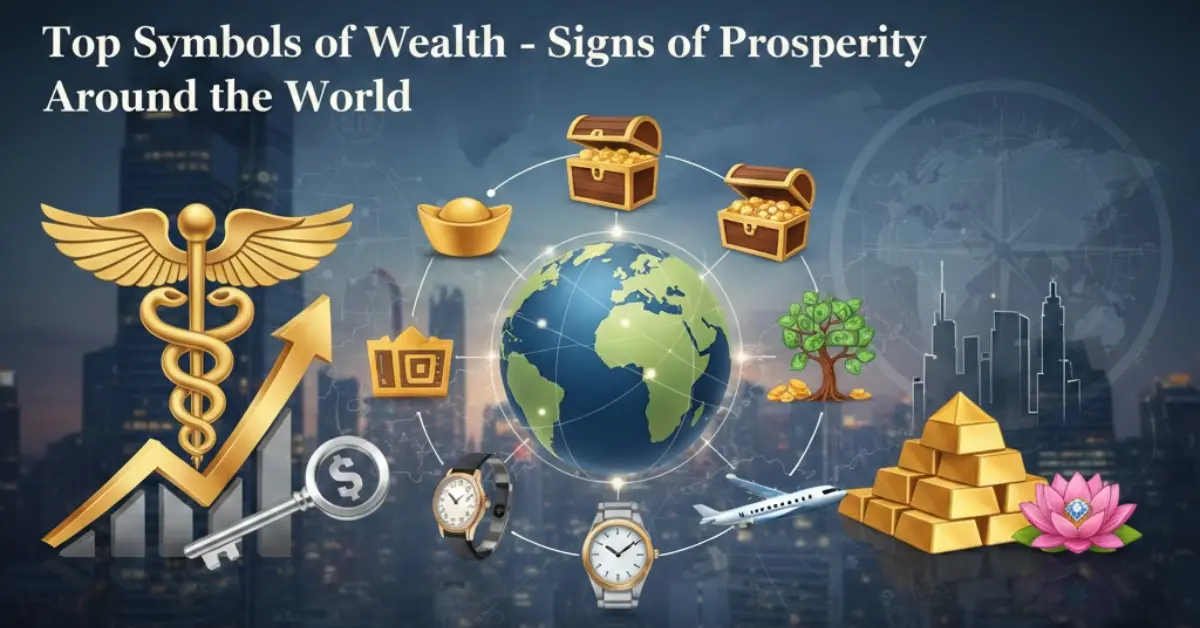
When people talk about wealth, they’re rarely talking about numbers alone. Sure, money matters. But across cultures, symbols of wealth have always gone beyond bank balances. They show up in objects, behaviors, traditions, and even quiet lifestyle choices.
Some symbols shout status from a distance. Others whisper it only to those who know what to look for.
Let’s walk through some of the most powerful and recognizable symbols of wealth from around the world-and what they really say about prosperity.
Table of Contents
What Do Symbols of Wealth Really Represent?
At their core, symbols of wealth are shortcuts. They help societies signal success, stability, influence, or abundance without spelling it out.
Think about it. When you see certain things-a private vineyard, heirloom jewelry, or even time flexibility-you instantly read “prosperity.” That reaction isn’t accidental. It’s cultural conditioning mixed with human psychology.
And here’s the interesting part: symbols of wealth evolve. What meant richness 100 years ago doesn’t always carry the same weight today.
Gold and Precious Metals: Timeless Wealth Indicators
Let’s start with the obvious one.
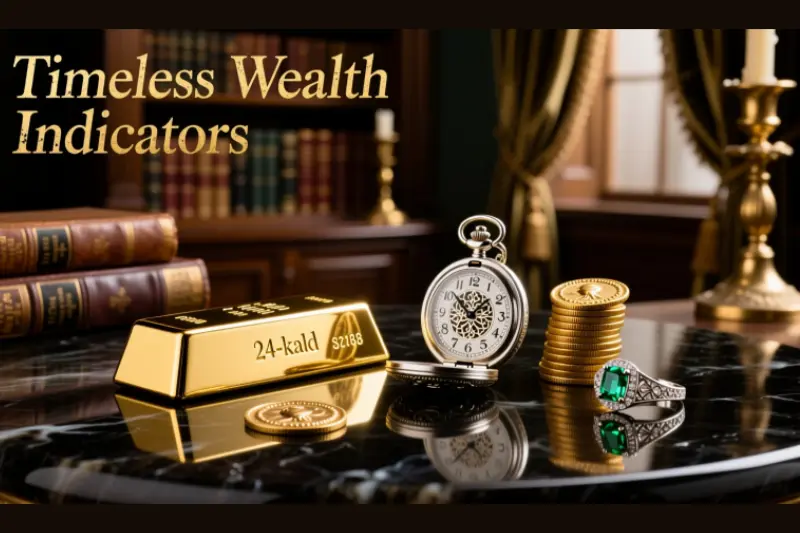
Gold has been one of the most universal symbols of wealth in human history. From ancient Egypt to modern central banks, gold represents permanence, security, and power.
Why gold?
- It’s rare.
- It doesn’t corrode.
- It holds value across borders.
In many cultures-especially in South Asia and the Middle East-gold jewelry isn’t just decoration. It’s stored wealth, family security, and sometimes even an emergency fund you can wear.
Silver, platinum, and precious metals follow closely, but gold still sits at the top emotionally and culturally.
May be you like it:
How Long Does It Take to Learn Day Trading Effectively?
Boost Your Career with an Online Accounting Diploma
Smart Strategies for Generational Wealth Management
What Is a Smart Investment – Simple Guide for Beginners
Real Estate: Land as a Quiet Power Move
Owning land has long been associated with influence and stability. Kings, emperors, and industrialists all understood this.
Even today, real estate remains one of the strongest symbols of wealth, especially when it’s:
- Prime location property
- Generational or inherited land
- Luxury estates or historic homes
What’s interesting is how real estate signals wealth differently by region. In some countries, size matters. In others, location and scarcity do the talking.
Owning property you don’t need to sell? That’s often where real wealth shows itself.
Luxury Watches: Status You Can Miss If You’re Not Looking
This one flies under the radar for most people.
High-end watches-think Patek Philippe, Audemars Piguet, or Rolex-are subtle but powerful symbols of wealth. To an untrained eye, it’s just a watch. To those who know, it’s a signal of taste, patience, and serious purchasing power.
Why watches?
- They often appreciate in value
- They’re tied to craftsmanship and heritage
- You can’t fake long-term ownership easily
It’s wealth without shouting. And that’s the point.
Rare Art and Collectibles: Cultural Capital Matters
Owning rare art isn’t just about money. It’s about access.
Original paintings, sculptures, vintage cars, first-edition books, or even rare wines all function as symbols of wealth because they combine:
- Financial ability
- Cultural knowledge
- Social access
Anyone can buy something expensive once. Collecting rare items over time shows consistency, education, and long-term financial comfort.
Ever notice how truly wealthy collectors rarely explain their collections? They don’t need to.
Time Freedom: The New-Age Symbol of Wealth
Here’s where things shift.
In many modern societies, time has replaced money as the ultimate symbol of wealth. Being able to:
- Work when you want
- Travel off-season
- Say no without stress
That’s prosperity in action.
You’ll often see this in entrepreneurs, investors, or old-money families. They’re not rushing. They’re not chasing. Their schedules breathe.
Ask yourself honestly-who seems wealthier: the person flexing nonstop or the one who never seems hurried?
Education and Knowledge Access
In some parts of the world, elite education itself is a major symbol of wealth.
Private schools, international universities, and exclusive learning environments signal:
- Financial investment
- Long-term planning
- Social positioning
But beyond degrees, access to mentors, networks, and information is where real power sits.
Money opens doors. Knowledge tells you which ones are worth walking through.
Minimalism Done Right: When Less Means More
This one surprises people.
True minimalism-high-quality basics, clean spaces, no clutter-has become a modern symbol of wealth, especially in developed countries.
Why?
- You can afford quality over quantity
- You’re not trying to impress
- You value peace and function
There’s a big difference between having nothing and needing nothing. The second one often signals real financial security.
May be you like it:
Free Trading Webinar: Learn Smart Market Strategies
Certificate in Business Management Online: Your Career Boost
Smart Generational Wealth Planning for Lasting Legacy
Top Personal Investment Company Tips for Smart Investors
Cultural Symbols of Wealth Around the World
Wealth doesn’t look the same everywhere. Culture shapes it.
- China: Jade, red symbolism, property ownership
- Middle East: Gold, hospitality, land, lineage
- Europe: Heritage homes, art, quiet luxury
- Africa: Livestock, land, community influence
- Japan: Craftsmanship, precision, understated success
These regional symbols of wealth remind us that prosperity isn’t one-size-fits-all.
Status vs. Substance: A Quick Reality Check
Here’s an uncomfortable truth.
Not everything that looks wealthy actually is. Flashy cars, loud branding, and constant flexing often signal high spending-not high net worth.
Many of the strongest symbols of wealth are invisible:
- Low debt
- Long-term investments
- Emotional calm around money
Real prosperity usually shows up quietly.
Why Understanding Symbols of Wealth Matters
You might be wondering-why does any of this matter?
Because understanding symbols of wealth helps you:
- Read social and financial signals more accurately
- Avoid chasing empty status
- Redefine what prosperity means for you
Wealth isn’t just about looking rich. It’s about building something that lasts.
FAQs: Symbols of Wealth
What are the most common symbols of wealth worldwide?
Gold, luxury real estate, fine jewelry, rare art, and time freedom are some of the most recognized symbols of wealth across cultures.
Why do different cultures have different symbols of wealth?
Cultural values, history, and societal norms shape what is considered prestigious or prosperous in each region.
Can minimalism be a symbol of wealth?
Yes. Prioritizing quality, peace, and intentional living over flashy displays is a modern and subtle sign of true prosperity.
How does education signal wealth?
Access to elite schools, mentorship, and exclusive networks reflects long-term planning, social influence, and financial stability.
Are visible displays of wealth always an indicator of financial security?
Not necessarily. Some flashy items signal spending power rather than real wealth; true symbols often combine financial stability, cultural knowledge, and lifestyle freedom.
Final Thoughts: Wealth Is More Than What You Own
Across history and cultures, symbols of wealth have helped people express success, security, and influence. But the most meaningful ones aren’t always visible.
Gold fades. Trends change. But freedom, stability, and choice? Those never go out of style.
So next time you think about wealth, ask yourself a better question:
Am I chasing symbols-or building substance?
That answer usually tells you everything.
May be you like it:
Stock Market for Beginners PDF – Your Simple Starter Guide
Top MBA Certificate Programs Online for Career Growth
