


Introduction
When most people think of business loans, banks usually come to mind. Traditional banks have strict rules, require mountains of paperwork, and often take weeks-or even months-to approve financing. That’s where private lenders for business step in as a faster, more flexible alternative.
Private lenders can be individuals, investment firms, or specialized lending companies. Unlike banks, they often evaluate your business beyond just credit scores and collateral. They look at real-world factors like your revenue trends, growth potential, and the purpose of the loan.
Businesses consider private lenders for several reasons:
- Speed: Many private lenders can approve funding in days rather than months.
- Flexibility: Loan terms and repayment plans are often tailored to fit your business needs.
- Accessibility: Even businesses with limited credit history or unconventional business models may qualify.
In short, private lenders exist to provide solutions when traditional bank loans just don’t align with your business reality. They’re not a last resort-they’re a practical option for companies that need fast, workable funding.
Table of Contents
How Private Business Lending Works
Understanding how private lenders for business operate can make the difference between a smooth approval and a confusing process. Unlike traditional banks, private lenders focus on flexibility and speed, which often translates into a simpler, faster loan process.
Overview of the Loan Process
While each lender may have slightly different steps, the general process looks something like this:
- Application Submission: You provide basic business information, financials, and the purpose of the loan.
- Initial Review: The lender quickly assesses whether your business meets their criteria. This stage is often faster than bank approvals, sometimes taking just a day or two.
- Documentation & Verification: Instead of months of paperwork, private lenders usually request only essential documents, such as recent bank statements, invoices, or contracts.
- Loan Offer & Terms: The lender presents a customized offer based on your business’s unique situation, including interest rate, repayment schedule, and any fees.
- Approval & Funding: Once you agree, funds can often be disbursed within days-ideal for businesses with urgent capital needs.
Criteria Lenders Use to Evaluate Borrowers
Private lenders take a more holistic approach than banks. Common factors include:
- Revenue & Cash Flow: Lenders want to see consistent income that ensures you can repay the loan.
- Purpose of the Loan: They consider whether the funds will help your business grow or solve a short-term problem.
- Business Track Record: How long you’ve been operating and your operational stability.
- Collateral (Optional): Some loans are secured, but many private lenders provide unsecured options based on cash flow.
- Growth Potential: A lender may weigh your business’s potential to generate more revenue in the near future.
Essentially, private lenders aren’t just crunching numbers-they’re evaluating your business story. That human perspective allows them to fund opportunities banks might overlook.
Benefits of Private Lenders
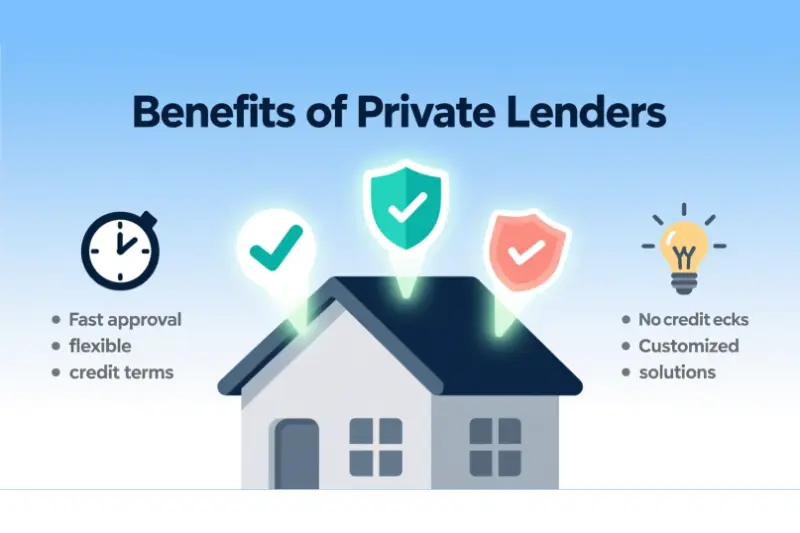
For many business owners, the main question isn’t “What are private lenders?”-it’s “Why should I even consider them?” The answer comes down to three big advantages: speed, flexibility, and customization.
Speed: Capital When You Need It
Time is often money, especially in business. Traditional bank loans can take weeks or months to process, leaving opportunities slipping away. Private lenders, on the other hand, can often approve loans in days, sometimes even 24–48 hours.
For example, imagine a small café that discovers a bulk coffee bean discount for the next day. A bank might take weeks to approve a loan, but a private lender could provide the funds quickly enough to take advantage of the deal-turning a simple loan into a real profit opportunity.
Flexibility: Tailored to Your Needs
Unlike banks, private lenders aren’t confined by rigid rules. They can adjust repayment schedules, interest structures, and even loan amounts to match your business’s cash flow and goals.
Think of a seasonal retailer: sales spike in the holiday season but dip the rest of the year. A private lender can create a repayment plan that aligns with those fluctuations, helping the business stay on track without unnecessary strain.
Customized Financing: Beyond One-Size-Fits-All
Private lenders often take a more holistic view of your business, considering your story, growth potential, and specific funding purpose. This means loans aren’t just about numbers-they’re about creating a solution that actually works for your business.
Consider a logistics company needing new vehicles. A private lender might look at existing contracts, projected revenue, and fleet growth potential, then structure a loan that makes sense for both parties-something a bank might reject outright because of standard lending criteria.
May be you like it:
How Long Does It Take to Learn Day Trading Effectively?
Boost Your Career with an Online Accounting Diploma
Smart Strategies for Generational Wealth Management
What Is a Smart Investment – Simple Guide for Beginners
Common Types of Private Business Loans
Private lenders for business offer a variety of loan types, each designed to meet different needs. Understanding the options can help you pick the right one for your situation.
Short-Term Business Loans
These loans are typically used to cover immediate expenses, like inventory purchases, payroll, or urgent operational costs. They usually have higher interest rates but are fast and practical, perfect when timing is critical.
Example: A boutique wants to stock seasonal items for the holiday rush. A short-term loan from a private lender can fund the purchase and be repaid once sales come in.
Merchant Cash Advances
Merchant cash advances are based on your future sales. Repayments are made as a percentage of daily revenue, which can help businesses with fluctuating income.
Example: A busy café uses a merchant cash advance to purchase new coffee machines. Since repayments are tied to daily sales, the business isn’t stressed during slower weekdays.
Asset-Based Loans
These loans are secured using business assets like equipment, inventory, or property. Because the loan is backed by collateral, interest rates may be lower, and approval can be easier.
Example: A construction company borrows against existing machinery to fund a new project. The lender feels secure because the equipment itself guarantees part of the loan.
Unsecured Business Loans
These don’t require collateral and are based mainly on your cash flow and business stability. They’re ideal if you don’t want to put assets at risk but usually come with slightly higher interest rates.
Example: A tech startup with steady revenue but no physical assets can use an unsecured loan to hire additional developers without risking office equipment.
When Private Lending Makes Sense
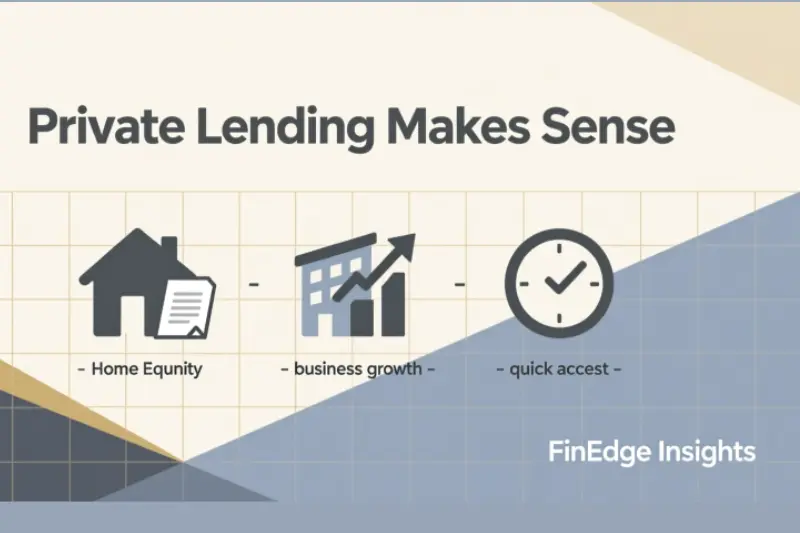
Private lenders for business aren’t a one-size-fits-all solution. They shine in certain situations but aren’t ideal for every scenario. Knowing when to use them-and when to hold off-can save time, money, and stress.
Scenarios Where Private Lenders Are Ideal
- Urgent Funding Needs: When an opportunity comes knocking and bank approvals would take too long, private lenders can provide capital in days.
Example: A retail shop spots a limited-time bulk purchase discount for top-selling products-fast funding can turn that opportunity into real profit. - Growth and Expansion: Whether it’s hiring staff, opening a new location, or buying new equipment, private lenders often structure loans around growth goals.
- Businesses with Imperfect Credit: Unlike banks that focus heavily on credit scores, private lenders often consider your cash flow, revenue, and business potential.
- Short-Term or Seasonal Needs: For businesses with fluctuating income, private lenders can offer repayment plans that align with sales cycles.
Situations to Avoid Using Private Lending
- Covering Chronic Losses: If your business consistently spends more than it earns, a loan may only delay bigger problems.
- Unclear Purpose for the Funds: Loans work best when tied to a specific, revenue-generating plan. Borrowing without a clear strategy can create unnecessary debt.
- High-Risk Ventures Without Planning: Private lending is not a substitute for poor planning or untested business ideas. The lender is taking a risk, and so are you.
In short, private lending works best when it solves a practical business need and aligns with your ability to repay. Ask yourself honestly:
“Will this loan help my business grow or generate revenue faster than it costs?”
If the answer is yes, a private lender could be the smart solution.
Risks and Precautions
While private lenders for business offer speed and flexibility, they also come with risks. Understanding these risks and taking precautions ensures your loan works for your business, not against it.
Understanding Fees, Interest Rates, and Contract Terms
Private loans often carry higher interest rates than traditional bank loans, reflecting the increased flexibility and faster approval. Some lenders may also include origination fees, prepayment penalties, or hidden charges.
Before signing any agreement, make sure you:
- Review the interest rate and how it’s calculated
- Understand all fees and extra costs
- Check for repayment flexibility or penalties for early payment
- Read the fine print carefully
A small oversight here can turn a helpful loan into a financial burden.
How to Identify Trustworthy Lenders
The private lending space includes both reputable lenders and some bad actors. Here’s how to spot the good ones:
- Transparency: A trustworthy lender explains all terms clearly, without pressure or ambiguity.
- Experience & References: Look for lenders with a track record in your industry or positive reviews from other business owners.
- No High-Pressure Tactics: If a lender pushes you to sign immediately or downplays risks, that’s a red flag.
- Professional Documentation: Contracts should be clear, legally binding, and reviewed by your accountant or attorney if needed.
A reliable lender acts more like a business partner than a quick-money source. When you choose carefully, private lending can be a powerful tool rather than a financial risk.
May be you like it:
Free Trading Webinar: Learn Smart Market Strategies
Certificate in Business Management Online: Your Career Boost
Smart Generational Wealth Planning for Lasting Legacy
Top Personal Investment Company Tips for Smart Investors
How to Choose the Right Private Lender
Not all private lenders for business are created equal. Picking the right one can make the difference between a loan that helps your business grow and one that creates stress and extra costs.
Factors to Evaluate
When considering a private lender, pay attention to:
- Industry Knowledge: Lenders familiar with your sector are more likely to understand your business needs and growth potential.
- Transparency: Terms, fees, and repayment schedules should be clear from the start. Avoid anyone who glosses over the details.
- Flexibility: Life happens. A good lender will adjust repayment schedules if your cash flow fluctuates or unexpected events occur.
- Reputation & References: Check reviews, testimonials, or ask for references from other businesses they’ve funded.
Questions to Ask Before Signing
Before committing to a loan, consider asking:
- What is the total cost of the loan, including all fees?
- Are there penalties for early repayment?
- What happens if my business hits a slow period and I can’t pay on schedule?
- Do you have experience funding businesses like mine?
- Can you explain the loan terms in plain language?
Choosing a lender is about more than just interest rates. It’s about trust, clarity, and alignment with your business goals. Taking the time to evaluate options now can prevent headaches later.
Real-World Examples
Sometimes the best way to understand private lenders for business is through real-world scenarios. These mini case studies show how businesses of different sizes and industries can benefit from private funding.
Case Study 1: A Growing Retail Boutique
A small boutique wanted to stock up on seasonal items before the holiday rush. Traditional banks required months of paperwork, and the approval process would have missed the opportunity. By working with a private lender, the boutique secured a short-term loan within 48 hours. The result? They increased sales by 30% that season and repaid the loan on schedule.
Mini Insight: Speed matters. Fast access to capital can turn an ordinary opportunity into a major revenue boost.
Case Study 2: A Tech Startup Expanding Operations
A tech startup needed funds to hire developers for a new product launch. They didn’t have substantial collateral, so traditional bank loans weren’t an option. A private lender considered their consistent revenue and growth potential and approved an unsecured loan. Within weeks, the startup expanded its team and launched the product successfully.
Mini Insight: Private lenders often evaluate potential, not just past credit, making them ideal for startups with limited assets.
Case Study 3: A Logistics Company Upgrading Equipment
A logistics company needed new vehicles to meet rising demand. Instead of waiting months for bank approval, they secured an asset-based loan from a private lender, using existing trucks as collateral. The company expanded its fleet without interrupting operations.
Mini Insight: Loans secured by assets can provide better rates and quick approvals, allowing businesses to grow without tying up cash flow.
Comparing Private Lenders to Banks
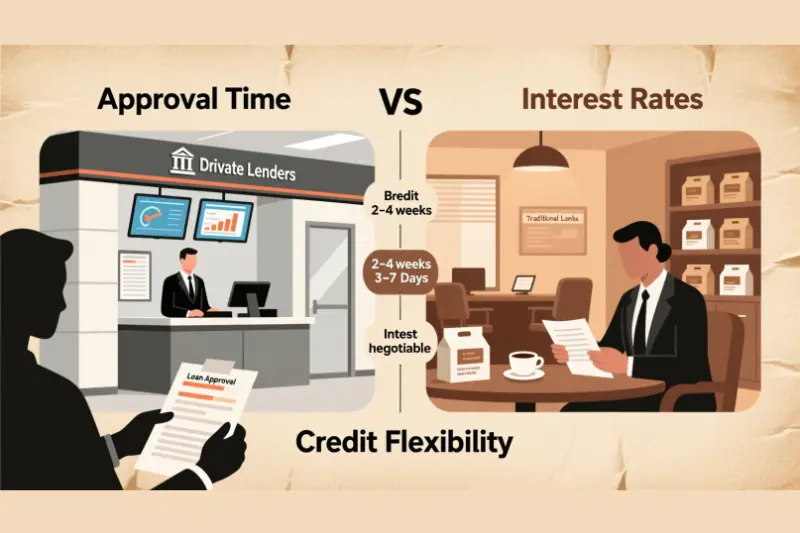
When deciding on funding, it helps to see how private lenders for business stack up against traditional banks. Each has its strengths and limitations, and understanding the differences ensures you pick the right path for your business.
Key Differences
| Feature | Private Lenders | Banks |
|---|---|---|
| Speed | Approvals often in days | Weeks or months |
| Requirements | Flexible; focus on cash flow and growth potential | Strict; rely heavily on credit scores, collateral, and long-term financials |
| Loan Terms | Customizable; tailored to business needs | Standardized; less flexible |
| Accessibility | Suitable for startups, seasonal businesses, or unconventional models | Best for established businesses with strong credit history |
| Human Evaluation | Lenders consider the whole business story | Mostly numbers-driven |
Pros and Cons
Private Lenders
- Pros: Fast funding, flexible terms, consider growth potential
- Cons: Higher interest rates, fewer regulatory protections, careful due diligence required
Banks
- Pros: Lower interest rates, formalized regulations, stability
Cons: Slow approval, rigid requirements, may reject non-traditional businesses - Bottom Line: Private lenders excel when speed, flexibility, and practical business context matter. Banks are better for businesses that meet strict financial criteria and prefer lower-cost, long-term loans.
Choosing the right option depends on your business stage, urgency, and financial situation. Sometimes the best solution is even a combination-using private lending for immediate needs while working with a bank for long-term growth.
I can now finish with Section 10: Conclusion & Takeaways, summarizing all insights in a natural, human tone.
Frequently Asked Questions (FAQs)
What are private lenders for business?
Private lenders for business are individuals or organizations that provide loans outside of traditional banks. They often focus on your business’s revenue, growth potential, and funding purpose rather than just credit scores, making them a flexible option for entrepreneurs.
How quickly can I get funding from a private lender?
One of the biggest advantages is speed. Many private lenders can review your application and disburse funds within a few days, compared to weeks or months with banks. This makes them ideal for urgent business opportunities.
What types of loans do private lenders offer?
Private lenders provide various options, including short-term loans, merchant cash advances, asset-based loans, and unsecured loans. Each type is designed to meet specific business needs, from quick working capital to equipment financing.
Are private lenders safe to work with?
Most reputable private lenders operate professionally and transparently. To stay safe, always review the contract carefully, understand interest rates and fees, and choose lenders with a proven track record or references. Avoid lenders who pressure you to sign quickly.
When should I consider using a private lender instead of a bank?
Private lending makes sense when you need fast access to capital, your business doesn’t meet strict bank requirements, or the funding is for short-term growth or specific projects. Avoid using it for chronic losses or unclear financial plans.
Conclusion
Navigating the world of private lenders for business can feel overwhelming at first, but the right knowledge makes it much simpler. These lenders offer speed, flexibility, and tailored financing, making them ideal for businesses that need fast capital or don’t fit the strict criteria of traditional banks.
At the same time, private lending comes with higher interest rates, fees, and potential risks. That’s why it’s important to do your homework-review contracts carefully, choose reputable lenders, and ensure the loan aligns with your business goals.
Key Takeaways:
- Private lenders are a practical solution for urgent funding, growth, or unconventional business models.
- Choose lenders who offer transparency, flexibility, and experience in your industry.
- Match the loan type to your business need-short-term, asset-based, or unsecured loans each serve different purposes.
Avoid borrowing just to cover chronic losses or unclear plans. Ask yourself:
“Will this loan help my business grow more than it costs?”
Ultimately, private lending works best when it’s strategic, informed, and purposeful. By understanding the benefits, risks, and real-world applications, you can make funding decisions that genuinely support growth-without rushing or taking unnecessary risks.
May be you like it:
Stock Market for Beginners PDF – Your Simple Starter Guide
Top MBA Certificate Programs Online for Career Growth
