

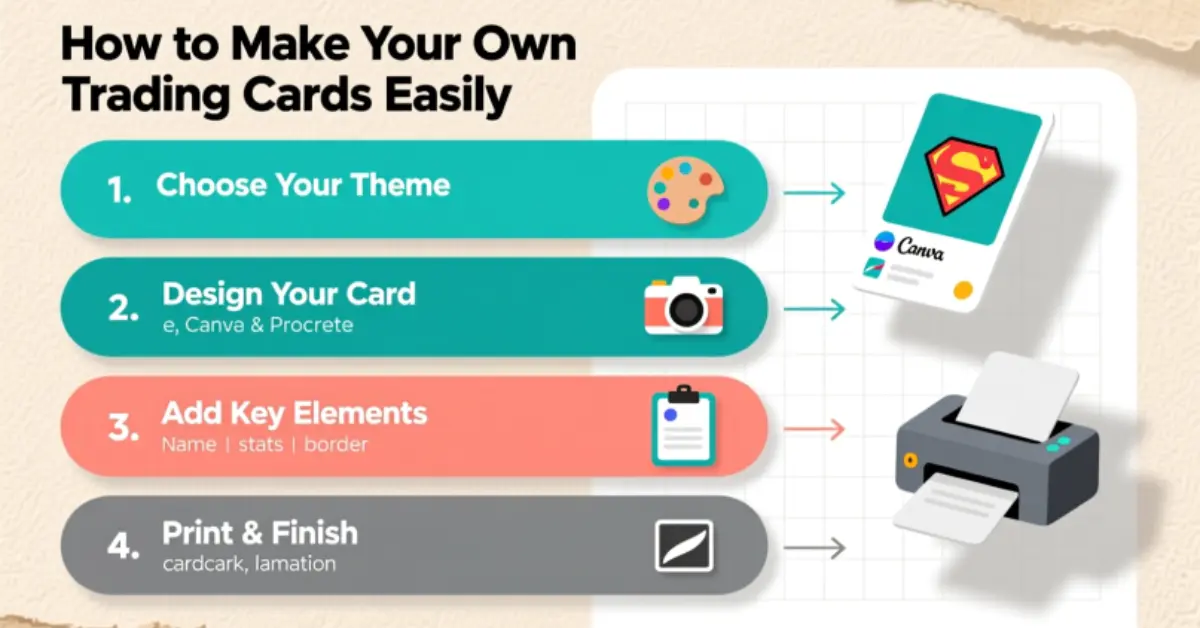
Introduction: Why Create Your Own Trading Cards
Have you ever flipped through a deck of trading cards and thought, “I could make something this cool myself?” Well, you absolutely can-and it’s easier and more fun than most people realize. When you decide to make your own trading cards, you’re not just crafting pieces of cardboard; you’re creating a tiny world of stories, characters, or ideas that are uniquely yours.
The value of designing your own cards goes beyond the aesthetics. It’s a chance to flex your creativity, inject your personality into every detail, and even build something collectible that friends, family, or a small community can enjoy. Imagine sharing a set that tells a story only you could imagine, or creating cards that help teach, entertain, or spark nostalgia. Each card becomes a little piece of you-and that’s something no store-bought deck can replicate.
So whether you’re looking for a fun hobby, a creative outlet, or a way to make meaningful gifts, diving into your own card creation is a rewarding adventure. And don’t worry-you don’t need to be a professional artist to make something amazing. Curious? Let’s explore exactly how you can bring your ideas to life.
Table of Contents
Understanding the Types of Trading Cards
Before you start designing, it helps to understand the different kinds of trading cards you can create-because the type you choose will shape everything from the design to the content.
Game Cards are designed for interactive play. Think of cards like Pokémon or Magic: The Gathering, where each card has stats, abilities, or rules. If your goal is to make cards that people can actually use in a game, you’ll need to focus on clarity, balance, and functionality. Every detail counts-players need to quickly understand what the card does without confusion.
Collectible Cards are more about aesthetic appeal and rarity. These are the cards people want to collect, trade, and display. Here, your focus shifts to visual storytelling, unique designs, and creating cards that feel “special.” Limited editions, unusual art styles, or even quirky details can make your cards highly desirable.
Educational Cards serve a practical purpose: teaching facts, skills, or concepts. They might be flashcards for learning languages, history, or math. With educational cards, accuracy and clarity are key. But that doesn’t mean they have to be boring-creative visuals, memorable mnemonics, or mini quizzes can make them engaging and fun.
Choosing the right type early on is crucial because it guides your design choices, the tools you’ll use, and how much detail you include. For example, a game card might need a stat table and iconography, while a collectible card might focus more on artwork and storytelling. Knowing your card’s purpose from the start saves time and ensures your deck ends up exactly how you imagined.
Have you thought about what type of card you’d love to create first? Your choice will set the tone for everything else in your project.
Planning Your Card Concept
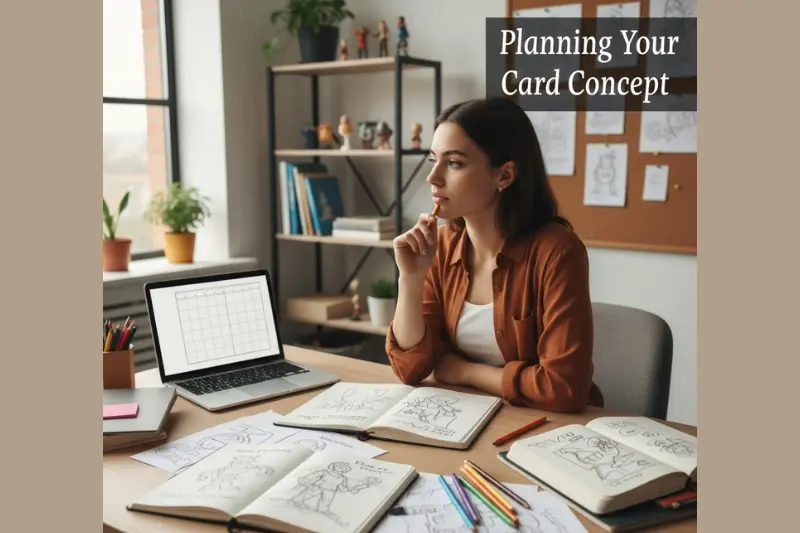
Every great deck starts with a solid plan. Before you jump into designing, take a moment to think about the heart of your cards: the concept. When you make your own trading cards, having a clear theme or story can transform a simple set of cards into something memorable.
Start by choosing a theme or story. Are your cards about magical creatures, sports heroes, historical figures, or maybe completely fictional worlds? A cohesive theme ties your deck together and gives players or collectors a reason to care about each card. For example, a fantasy-themed deck could feature characters with unique powers, while a history-themed deck might highlight important figures with fun facts.
Next, decide on the purpose and target audience. Are your cards meant for gameplay, casual collecting, or educational purposes? Knowing who will use your cards helps guide every design decision-from the language you use to the complexity of stats or illustrations. Kids, teens, and adults all engage differently, so keeping your audience in mind ensures your cards are fun, understandable, and engaging.
Finally, it’s time to brainstorm characters, stats, or unique features. Sketch out a few ideas on paper or in a digital notebook. Think about what makes each card special-maybe a quirky ability, an unusual fact, or a visually striking design element. Even small touches, like a catchy nickname or a hidden icon, can make your cards feel personal and collectible.
Planning might feel like extra work at first, but it saves you from redesigning later. And it gives your deck personality-something people will remember. So, what kind of story or theme excites you the most? That spark is where your creative journey begins.
May be you like it:
How Long Does It Take to Learn Day Trading Effectively?
Boost Your Career with an Online Accounting Diploma
Smart Strategies for Generational Wealth Management
What Is a Smart Investment – Simple Guide for Beginners
Designing Your Trading Cards
Once you’ve planned your concept, it’s time to bring your ideas to life. Designing your cards is where your creativity truly shines, and the choices you make here will define how engaging and memorable your deck becomes.
Start with the layout basics: front vs. back. The front usually features the main content-like the character, illustration, or stats-while the back can hold supporting details, symbols, or branding. Keeping a clean, readable layout is key. You don’t want a card so cluttered that players or collectors can’t quickly understand it.
Next, focus on colors, fonts, and images. Color isn’t just for looks-it can convey mood, indicate rarity, or help differentiate types of cards. Fonts should be legible but also match the theme: a whimsical font for fantasy cards, or sleek, modern text for tech-themed cards. As for images, high-quality illustrations or photos make a huge difference. Even simple icons can give your cards a professional touch.
For tools, you don’t need to be a professional designer. Platforms like Canva offer easy drag-and-drop options, while Photoshop provides more advanced control if you want to dive deeper. There are also dedicated online card makers that simplify the process, letting you focus on creativity instead of technical details. Many of these tools include templates for card dimensions, layouts, and print-ready files, which can save a lot of time.
A small tip from experience: start with one card as a prototype. Test colors, fonts, and spacing before designing the full deck. It helps avoid repetitive mistakes and makes your deck feel polished from the start.
Designing your cards is where imagination meets practicality-so have fun experimenting. What’s the first image or character you picture on your deck?
Adding Personal Touches
This is where your deck starts to feel truly yours. When you make your own trading cards, adding personal touches turns a simple set of cards into something memorable, emotional, and engaging.
Consider hand-drawn illustrations or unique icons. Even small sketches, doodles, or custom symbols can give each card character. You don’t need to be a professional artist-sometimes a slightly imperfect hand-drawn element adds charm and personality that digital perfection can’t match. For example, a little star or quirky logo in the corner can become a signature detail that collectors recognize.
Next, think about custom stats, fun facts, or mini stories. A game card might include quirky abilities, while a collectible card could highlight a fun tidbit about a character or theme. Educational cards can include clever mnemonics or memorable facts. These small details not only make the cards more interesting but also give people reasons to connect with them emotionally.
Finally, focus on making your cards visually and emotionally engaging. Colors, layout, and text all contribute to the first impression-but the story behind the card keeps people coming back. Maybe a card reminds someone of a shared memory, sparks curiosity, or simply makes them smile. That’s the magic of personal touches: they transform your deck from “just cards” into something people remember and cherish.
Adding these details may seem minor, but they can completely change how your deck is received. What little twist could you add to make your cards unmistakably yours?
Printing Your Trading Cards
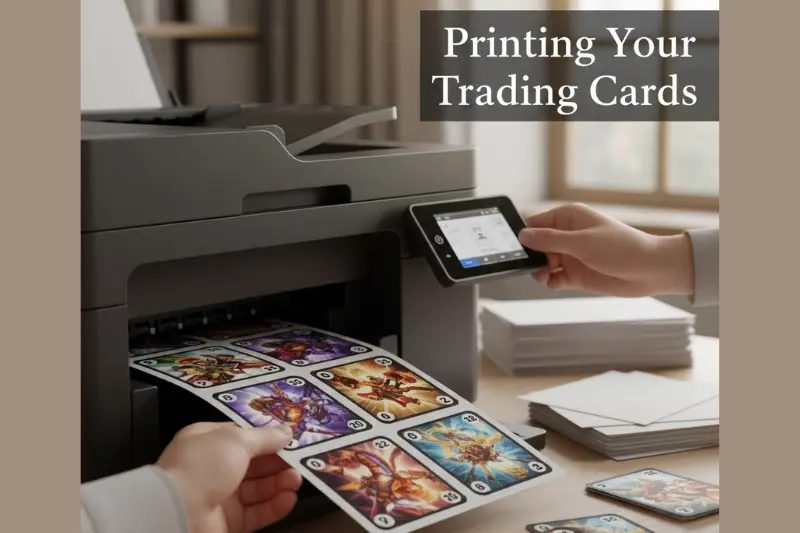
After designing your deck, the next big step is turning your digital creations into real, tangible cards. How you print them can make a huge difference in quality, durability, and overall enjoyment.
Start by selecting the right paper or card stock. Thicker card stock feels more professional and is less likely to bend or tear. Matte finishes reduce glare, while glossy finishes make colors pop. If you’re experimenting, try a small test batch first to see which material best suits your design and purpose.
Then comes the choice: home printing vs. professional printing services. Printing at home can be convenient and fast, especially for small sets, but results may vary depending on your printer and paper quality. Professional printing services offer higher consistency, sharper images, and options like rounded corners or laminated finishes. They’re often worth it if you want a polished, long-lasting deck, especially for collectibles or gifts.
Here are some practical tips for quality and durability:
- Use a high-resolution file (300 dpi or higher) to avoid blurry prints.
- Check alignment and margins carefully to ensure every card is neat.
- Consider laminating cards or using protective sleeves to extend their lifespan.
- Test a small batch first to spot any design or print issues before committing to the full set.
Printing might seem straightforward, but it’s where your hard work really comes to life. Seeing your designs in your hands for the first time is always exciting-and nothing beats flipping through a deck you created yourself.
May be you like it:
Free Trading Webinar: Learn Smart Market Strategies
Certificate in Business Management Online: Your Career Boost
Smart Generational Wealth Planning for Lasting Legacy
Top Personal Investment Company Tips for Smart Investors
Cutting, Finishing, and Protecting Cards
Once your cards are printed, it’s time to give them a polished, professional feel. How you cut, finish, and protect your cards can make a huge difference in both appearance and longevity.
Start with proper cutting techniques for neat edges. Using a sharp craft knife, rotary cutter, or even a paper trimmer ensures clean, precise edges. Rushing this step can leave uneven borders or rough corners, which instantly make your cards feel less professional. Take your time, and consider using a ruler or guide to keep every cut straight.
Next, think about laminating or coating your cards for durability. Even a thin laminate sheet can protect against spills, fingerprints, and wear-and-tear from repeated handling. Matte lamination reduces glare, while glossy lamination makes colors pop. Some people even use clear protective sprays or specialty coatings for a premium feel.
Finally, a few tips for maintaining card longevity:
- Store your cards in a sturdy box or deck case to prevent bending.
- Keep them away from direct sunlight to avoid fading.
- Handle with clean hands, especially if your cards have a delicate finish.
- Rotate decks if you play often-this prevents some cards from getting worn out faster than others.
Cutting and finishing might seem like small steps, but they give your cards the tactile quality that makes them enjoyable to hold and collect. There’s something deeply satisfying about a neatly cut, well-protected card that you designed from scratch.
Tips for Creativity and Originality

When you make your own trading cards, creativity is what separates a memorable deck from a forgettable one. Adding unique touches and experimenting with design keeps your cards exciting for both you and anyone who collects or plays with them.
One way to stand out is by using textures, foils, or special finishes. A glossy foil on a rare card, a textured background, or even embossed details can make a card feel premium and collectible. These small touches may seem minor, but they instantly elevate the visual and tactile experience.
Another important aspect is maintaining a consistent style across the set. Even if each card has unique features, a cohesive style-similar fonts, borders, or color palettes-makes your deck look intentional and polished. Consistency helps your audience recognize that every card belongs to the same universe, which adds professionalism and charm.
Finally, don’t be afraid to experiment with layouts or formats. Maybe one card has a portrait orientation while another is landscape, or perhaps you introduce playful design elements that break the mold. Testing different ideas can spark unexpected creativity and help your deck feel fresh and original.
Sharing and Collecting Your Cards
Once your deck is complete, the fun really begins-sharing and collecting your trading cards can be just as rewarding as creating them.
Start by sharing with friends, family, or online communities. Sending a few cards to someone close or posting your designs online can spark conversations and even inspire others to try their hand at card creation. Social media platforms, hobby forums, or collector groups are great places to showcase your work and get real-time feedback.
Consider creating a mini collection or trading system. Even a small set of 20–30 cards can become a fun collectible series. You can assign rarity levels, special editions, or themed subsets to encourage swapping and trading, which adds excitement and engagement. Kids, friends, or collectors often love exchanging cards and discovering “hidden gems” within a deck.
Finally, engage your audience for feedback and inspiration. Ask questions like, “Which character do you like best?” or “What feature would you add next?” This not only builds connection but can also give you ideas for future decks. Collectors and players often notice details you might have missed, which can help you improve your designs over time.
FAQs
What materials do I need to make my own trading cards?
You’ll need card stock or thick paper, design tools (like Canva or Photoshop), and basic cutting tools. Laminating or protective sleeves are optional but recommended for durability.
Do I need to be an artist to create trading cards?
Not at all! Even simple designs, icons, or hand-drawn sketches can make your cards unique. Creativity and storytelling matter more than perfect artwork.
Can I create cards for games or just for collecting?
You can do both! Game cards need clear stats and rules, while collectible cards focus on visuals, stories, or rarity. Your deck can even combine both elements.
How can I make my cards more durable?
Use quality card stock, laminate your cards, or use protective sleeves. Proper cutting and storage also help keep them in great condition over time.
Where can I share or trade my cards?
Start with friends, family, or online communities. Social media, hobby forums, and local collector groups are great places to showcase, share, and even trade your creations.
Conclusion & Next Steps
Creating your own trading cards is more than just a craft-it’s a journey that combines creativity, planning, and a bit of playful experimentation. From planning your concept, to designing with style, to printing and protecting your cards, every step adds personality and meaning to your deck. Along the way, adding personal touches, experimenting with creativity, and sharing your cards makes the process even more rewarding.
Now it’s your turn. What unique card will you create first? Maybe it’s a character inspired by a friend, a fun fact that always makes you smile, or a completely original creation from your imagination. The beauty of making your own trading cards is that there are no limits-your deck can reflect your personality, your stories, or even your humor.
So grab your ideas, sketch out your first card, and start turning your concepts into tangible creations. Every small step-whether it’s a single drawing, a layout experiment, or printing your first prototype-brings you closer to a deck that’s entirely your own. Who knows? This first deck might just be the start of something truly special.
May be you like it:
Stock Market for Beginners PDF – Your Simple Starter Guide
Top MBA Certificate Programs Online for Career Growth
