


Introduction:
Every business owner knows that feeling -you’re working long hours, juggling tasks, but growth feels like it’s crawling. Sales plateau, expenses creep up, and it starts to feel like no matter what you do, progress is slow. That’s exactly when investment for business comes into play.
But investment isn’t just about throwing money at a problem. It’s about putting resources -whether cash, time, or effort -into the right areas that help your business grow smarter and faster.
Smart investment doesn’t just speed up growth; it can unlock opportunities you didn’t even see before -better efficiency, happier customers, and more freedom to focus on the things that really matter.
Table of Contents
What Investment for Business Really Means
When most people hear “investment,” they immediately think of money. But in business, it’s much broader than that. Investment for business can be:
- Time: Spending hours training your team or learning new skills.
- Tools & Technology: Buying software, machinery, or systems that make work faster and more accurate.
- People: Hiring the right employees who can take your business to the next level.
The ultimate goal of any investment is simple: growth, efficiency, and revenue. In other words, you put in something today so your business works better tomorrow.
For example:
- A small café invests in a new coffee machine that speeds up service. Customers are happier, and sales go up.
- A startup invests time in marketing strategy instead of just posting randomly on social media. The result? More leads and better conversion.
- A company hires a skilled accountant. This may cost more upfront, but it saves mistakes and uncovers opportunities for saving money.
In short, smart investment isn’t about spending more -it’s about spending wisely to make your business stronger, faster, and more profitable.
Common Types of Business Investments
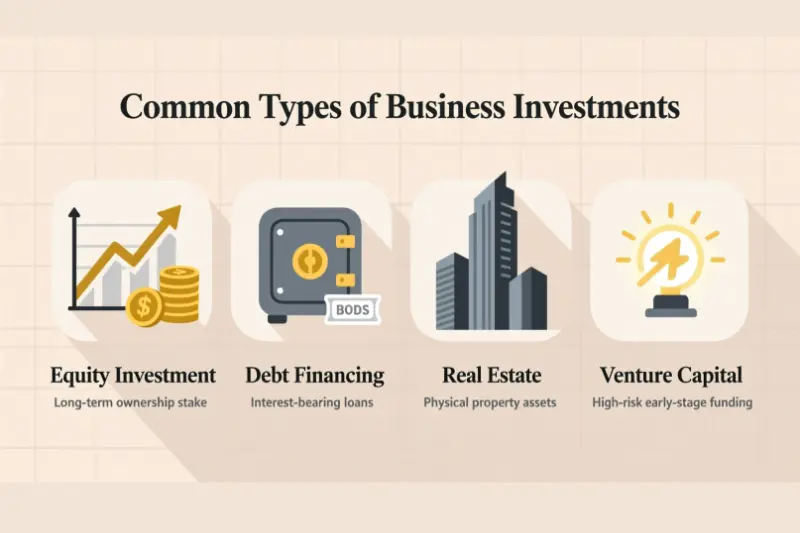
Investing in your business doesn’t have to be complicated. Most successful growth comes from focusing on a few key areas. Here are the most common types of business investments:
Tools and Technology
The right tools make work faster, easier, and more accurate. From software that automates tasks to machinery that speeds up production, technology can save time and reduce mistakes.
Example: A small printing business upgrades its printers. Jobs finish faster, errors drop, and clients are happier. That’s a clear investment payoff.
People and Team Growth
Hiring the right people is one of the smartest investments you can make. A strong team allows you to scale and focus on strategy instead of getting stuck in day-to-day tasks.
Example: A founder handles sales, operations, and customer service alone. Hiring a junior sales rep frees up time to focus on bigger deals, boosting revenue.
Marketing and Branding
Marketing isn’t about spending more money -it’s about being smart. A strong marketing investment reaches the right audience, builds trust, and drives conversions.
Example: A small online store tests targeted social media ads instead of random posting. The right ads bring in consistent sales with a measurable return.
Operational Improvements
Sometimes the best investment is improving how your business runs. Better processes reduce errors, save time, and make scaling smoother.
Example: A logistics company implements a simple tracking system. Packages are delivered on time, customer complaints drop, and the team works more efficiently.
These areas show that investment for business isn’t always about spending big -it’s about putting resources where they create real value.
May be you like it:
Top 10 Best Trading YouTube Channels to Follow in 2025
Funding an LLC: Easy Ways to Get Startup Money
Family Wealth Strategy – Build and Protect Your Legacy
Invest Wisely: Smart Tips for Growing Your Money
Short-Term vs Long-Term Investments
Not all investments are created equal. Understanding the difference between short-term and long-term investments helps you make smarter decisions for your business.
Short-Term Investments
These are designed for quick wins -actions that deliver immediate results. Examples include:
- Running a targeted ad campaign for a seasonal sale
- Purchasing inventory for a trending product
- Implementing a small software tool that speeds up daily tasks
Short-term investments improve cash flow and keep your business moving. They give you immediate feedback on whether an idea works.
Long-Term Investments
These focus on growth, stability, and scalability over months or even years. Examples include:
- Building a strong brand identity
- Training staff to increase their skills and efficiency
- Implementing robust systems and processes
Long-term investments don’t pay off instantly, but they build the foundation for sustainable success.
Balancing Both
The healthiest businesses use a mix of both:
- Short-term wins keep momentum and cash flow positive.
- Long-term investments secure the future and protect your business from setbacks.
Think of it like a garden: short-term investments are the quick-growing plants you see right away, while long-term investments are the trees that take time but provide lasting shade and fruit.
How to Evaluate Investment Opportunities
Before you spend a single dollar, it’s important to pause and think. Smart investment isn’t about acting fast -it’s about acting wisely. Here’s how to evaluate opportunities effectively.
Key Questions to Ask
Ask yourself these questions before committing:
- What exact problem does this solve?
- Will it save time, increase revenue, or reduce costs?
- How soon will I see results?
- Can my cash flow handle this investment?
- If it fails, can my business survive?
These questions help separate real opportunities from impulsive purchases.
Risk vs Reward
Every investment comes with some level of risk. The trick is to weigh the potential reward against the risk.
- High reward, low risk → usually worth pursuing.
- High risk, unclear reward → think twice.
For example, hiring a temporary freelancer for a specific project may carry minimal risk but deliver high impact if they perform well. On the other hand, investing in expensive equipment without demand may tie up cash unnecessarily.
Practical Tips for Small Business Owners
- Start small: Test ideas before scaling.
- Track results: Metrics tell you what actually works.
- Prioritize impact: Focus on moves that directly affect revenue or efficiency.
- Keep flexibility: Avoid investments that lock you into long-term commitments you can’t adjust.
Smart evaluation doesn’t just save money -it ensures your business grows steadily without unnecessary setbacks.
Mistakes to Avoid When Investing
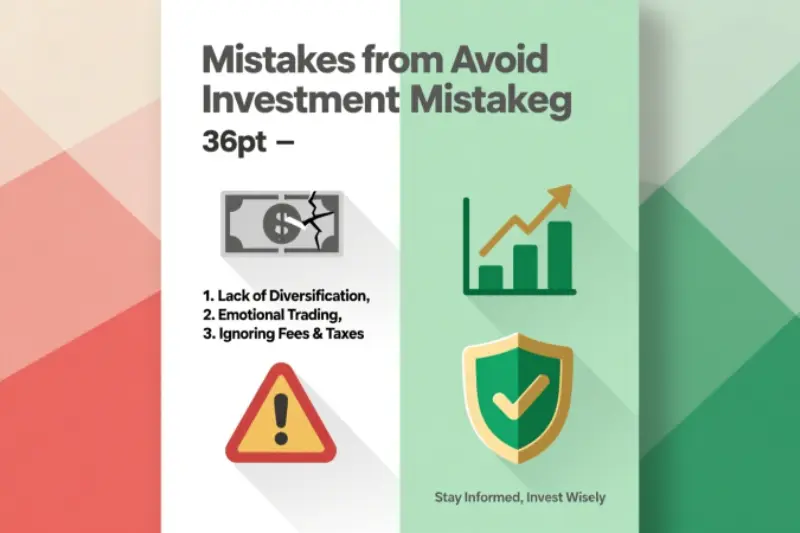
Even the most experienced business owners stumble when it comes to investment. Avoiding common pitfalls can save time, money, and stress. Here are the key mistakes to watch out for:
Chasing Trends or Competitors Blindly
Just because another business is doing something doesn’t mean it’s right for you. What works for them may not fit your stage, audience, or resources. Focus on what actually solves your business problems.
Investing Too Early or Without Planning
Rushing into an investment without a clear plan is risky. For example, buying expensive machinery before demand exists can tie up cash and slow growth. Plan carefully and match investments to your current needs.
Ignoring Numbers or Cash Flow
Gut feelings are useful, but numbers tell the truth. Ignoring revenue, expenses, and cash flow can turn a promising investment into a financial burden. Always run the math before committing.
Expecting Instant Results
Most solid investments take time to show returns. Hiring staff, improving systems, or building a brand doesn’t produce overnight results. Patience is part of the strategy.
By avoiding these mistakes, you make sure your investments actually work for your business instead of creating more headaches.
May be you like it:
Top Finance Webinars to Boost Your Money Skills
My Funding Choice: Find the Best Way to Finance Your Goals
Wealth and Success – Habits That Transform Your Future
Invest Criteria: How to Choose Smart Investments
Funding Your Investments
Not every investment has to come from savings. There are several ways to fund business growth, each with its own advantages and trade-offs.
Internal Funding (Profits)
Using your own profits is the safest option. You maintain full control and avoid debt, but it can limit how quickly you can scale.
Example: A café reinvests part of its monthly profits into new equipment and marketing. Growth is steady, and there’s no pressure from outside lenders.
Loans and Credit Options
Business loans or lines of credit can provide quick capital. They allow you to invest more upfront, but repayment terms and interest rates add pressure.
Tip: Only borrow what you can realistically pay back, and factor in the cost of interest when calculating potential returns.
Private Investors and Partnerships
Bringing in an investor or partner can give your business cash and sometimes expertise. The trade-off is shared control and profit.
Example: A startup takes on a small investor to expand production. They gain capital and mentorship but now need to keep the investor updated regularly.
Pros and Cons Summary
| Funding Type | Pros | Cons |
|---|---|---|
| Internal Profits | Full control, no debt | Slower growth |
| Loans/Credit | Quick access to cash | Interest, repayment pressure |
| Investors/Partners | Capital + expertise | Shared control, profit split |
Choosing the right funding method depends on your business stage, risk tolerance, and growth goals. Smart decisions here can make your investment far more effective.
Real-Life Examples of Smart Investments
Sometimes the best way to understand investment for business is to look at real-world examples. Small, practical moves often have a big impact.
Tools and Software That Save Time
Investing in the right tools can transform daily operations.
Example: A small online store switches from manually tracking orders to a simple inventory management system. Errors drop, staff stress decreases, and the owner has more time to focus on growing the business.
Hiring for Growth
The right hire can unlock opportunities you never had time for.
Example: A consulting firm owner handles all client work alone. Hiring an assistant allows the owner to focus on securing larger contracts. Revenue grows without increasing working hours.
Marketing That Actually Converts
Investing in smart marketing generates measurable results instead of just spending money blindly.
Example: A local café invests in a targeted social media campaign offering a limited-time discount. Within a week, foot traffic increases and new customers become regulars.
Mini Case Study: Balancing Multiple Investments
A small tech startup wanted faster growth. They:
- Implemented project management software
- Hired a part-time marketing specialist
- Ran a small, focused ad campaign
Within three months, efficiency improved, new leads increased, and revenue grew -all without overspending.
A Simple Mindset Shift for Successful Investment
One of the biggest mistakes business owners make is focusing too much on the cost of an investment instead of what it can unlock.
Think of it this way: Instead of asking, “How much will this software cost me?” ask, “How much time will this save? How many mistakes will it prevent? How much growth could it create?”
Reflective Questions to Guide Decisions
Before committing, pause and ask yourself:
- Will this move free up my time or improve efficiency?
- Does it help generate more revenue or reduce expenses?
- If it fails, how much will it actually impact my business?
- Is this the highest-impact opportunity I can pursue right now?
These questions help you prioritize investments that matter most.
Prioritizing High-Impact Moves
Not every opportunity is worth chasing. Focus on moves that:
- Solve a real, pressing problem
- Directly affect revenue, efficiency, or customer satisfaction
- Fit your business stage and available resources
Example: Instead of buying a fancy new office space, a small business might invest in marketing software that brings in more customers. The result? More immediate growth with less risk.
Shifting your mindset this way turns investments from scary expenses into strategic tools for growth.
FAQs
What does “investment for business” really mean?
It’s not just money. Investment for business can be time, tools, or people — anything you put in today that helps your business grow, improve efficiency, or increase revenue tomorrow.
What are the most common types of business investments?
Answer: The main types include:
Tools and technology (software, equipment)
Hiring the right people or training your team
Marketing and branding efforts
Operational improvements (better processes and systems)
How do I decide if a business investment is worth it?
Ask yourself:
What problem does it solve?
Will it save time, increase revenue, or reduce costs?
Can my business handle the cost or risk?
Is it the highest-impact move right now?
If the answers are clear and positive, it’s likely a good investment.
Should I focus on short-term or long-term investments?
Both are important. Short-term investments give quick wins and help cash flow, while long-term investments build growth, stability, and scalability. A balanced approach works best for steady progress.
What common mistakes should I avoid when investing in my business?
Answer: Avoid:
Chasing trends or copying competitors blindly
Investing too early or without planning
Ignoring numbers, cash flow, or metrics
Expecting instant results
Smart investments are deliberate, well-planned, and tied to real business needs.
Conclusion
Smart investment for business isn’t about spending more -it’s about spending wisely. The right investments solve real problems, improve efficiency, and open doors for growth. Whether it’s upgrading tools, hiring the right people, or running focused marketing campaigns, each move should have a clear purpose.
Remember the key points:
- Evaluate opportunities carefully using risk vs. reward thinking.
- Balance short-term wins with long-term growth.
- Avoid chasing trends or acting without planning.
- Focus on investments that unlock real value, not just flashy promises.
Before your next move, take a moment and ask yourself:
Will this investment truly move my business forward – or am I just spending?
Answering that question honestly will guide your decisions, save resources, and help your business grow stronger, faster, and smarter.
May be you like it:
Best Day Trading Setup – Simple Strategies That Work
Business Finance Definition Made Easy for Understanding Info
