

Introduction
Independent trading is exactly what it sounds like – you make your own trading decisions. From choosing what to buy or sell, when to enter a trade, and when to exit, everything is in your hands. There’s no financial advisor guiding you, no broker suggesting “hot picks,” and no middleman taking a cut of your profits.
Think of it like driving your own car instead of taking a taxi. Sure, you’re responsible for every turn, but you also control the speed, the route, and the destination. That freedom is what attracts so many people to independent trading.
In contrast, broker-assisted trading means you rely on an intermediary to handle trades on your behalf. Brokers may give advice, execute orders, or even manage your portfolio. While this can reduce the stress of decision-making, it also limits control and usually comes with fees or commissions.
Independent trading requires more discipline and responsibility because the decisions – and the outcomes – are entirely yours. On the flip side, the learning curve is steeper, but the experience gained is far more valuable. You don’t just make trades; you develop skills, intuition, and confidence in the markets.
Table of Contents
Why Beginners Are Drawn to Independent Trading
There’s something undeniably appealing about independent trading – and it’s not just the idea of making money. Many beginners are attracted to it because of the freedom, control, and low barriers to entry.
Freedom to Trade Your Way
With independent trading, you decide your schedule. No 9-to-5 office, no waiting for someone to approve your trades. You can trade from your laptop at home, a café, or even while traveling. For someone new to the financial world, this freedom can feel incredibly empowering.
Complete Control Over Decisions
Unlike broker-assisted trading, independent trading puts the reins in your hands. You choose what assets to trade, when to enter or exit, and how much capital to risk. It’s your strategy, your plan, and ultimately, your responsibility. That level of control is both exciting and educational – you learn faster because every win and loss is a direct result of your decisions.
Low Entry Barriers
Starting independent trading doesn’t require a fancy degree, an office, or a huge investment. Most platforms allow beginners to start with relatively small capital, making it accessible for almost anyone curious about the markets. Even a modest starting amount can teach valuable lessons about strategy, risk, and market behavior.
Of course, while these aspects make independent trading attractive, they also come with challenges – mainly, the responsibility for your own successes and mistakes. But for many beginners, the idea of learning, experimenting, and gaining independence is worth it.
May be you like it:
Top 10 Best Trading YouTube Channels to Follow in 2025
Funding an LLC: Easy Ways to Get Startup Money
Family Wealth Strategy – Build and Protect Your Legacy
Invest Wisely: Smart Tips for Growing Your Money
Common Challenges for New Traders
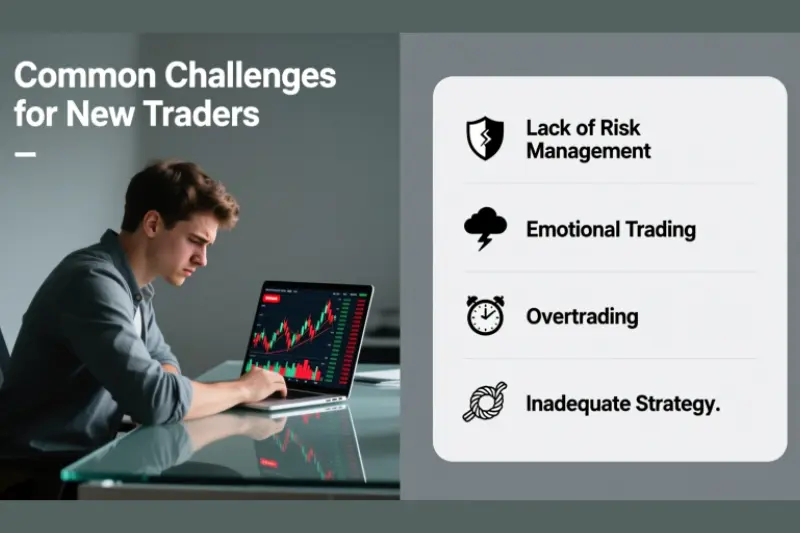
While independent trading offers freedom and control, it’s not all smooth sailing – especially for beginners. Many new traders underestimate the emotional and practical challenges that come with making trading decisions on your own.
Emotional Decision-Making
One of the biggest hurdles is managing your emotions. Fear can make you exit trades too early, while greed might keep you holding on for longer than you should. It’s common to see beginners panic during a sudden market drop or get overly confident after a few wins. The market doesn’t care about your feelings, but your decisions often do – and that’s where many losses happen.
Overtrading
Another trap is the urge to trade constantly. Beginners often feel like they need to “do something” every day. More trades do not automatically mean more profits; in fact, overtrading often leads to unnecessary losses and increased stress. Learning to wait for the right opportunities is just as important as knowing how to enter a trade.
Information Overload
In today’s world, there’s an overwhelming amount of data: charts, indicators, strategies, forums, YouTube gurus, news alerts. While access to information is helpful, beginners can easily get paralyzed or distracted. Too much conflicting advice can cloud judgment rather than improve it. The trick is filtering information and sticking to a simple, proven approach.
Facing these challenges is normal. Even experienced traders deal with emotions, overtrading, and data overload. The key is to acknowledge these obstacles early and develop habits that help you navigate them calmly.
How Independent Trading Works
Independent trading might seem overwhelming at first, but at its core, it follows a simple broker-assisted trading. Think of it as a cycle you repeat with every trade: analysis → opportunity → risk → execution → review.
Analyze the Market
Before you trade, you need to understand what’s happening. This could be reading price charts, checking news, or reviewing economic indicators. The goal isn’t to predict the market perfectly – nobody can – but to identify trends, patterns, or setups that make sense.
Identify Opportunities
Once you’ve analyzed the market, look for trading opportunities. Ask yourself:
- Is the price at a level where it’s likely to bounce or break?
- Does the asset show momentum in a particular direction?
- Does news or fundamentals support a potential move?
Opportunities don’t have to be flashy. Sometimes the small, low-risk setups are the most consistent.
Manage Your Risk
Every trade carries risk, so planning ahead is crucial. Decide how much capital you’re willing to risk, set stop-loss levels, and consider position sizing. Smart independent traders accept that losses happen – but they never let one loss wipe out their account.
Execute the Trade
Now comes the action part. Place your trade according to your plan, without letting emotions take over. This step might feel thrilling or nerve-wracking at first, but sticking to your strategy is key. Avoid chasing trades impulsively.
Review the Outcome
After a trade closes, review it. Ask yourself:
- Why did it work or fail?
- Did I follow my plan?
- What can I improve next time?
Keeping a simple trade journal can make this process much easier. Over time, reviewing your trades helps you spot patterns in your own behavior, not just the market’s.
Market Analysis Methods
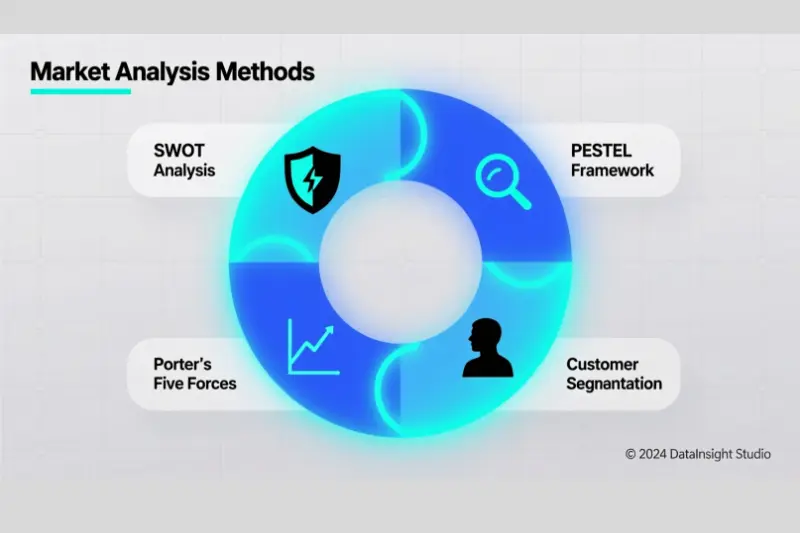
When it comes to independent trading, analyzing the market is the foundation of every successful trade. There are three main approaches: technical analysis, fundamental analysis, and sentiment analysis. Beginners don’t need to master all three at once – picking one and learning it well is a smart start.
May be you like it:
Top Finance Webinars to Boost Your Money Skills
My Funding Choice: Find the Best Way to Finance Your Goals
Wealth and Success – Habits That Transform Your Future
Invest Criteria: How to Choose Smart Investments
Technical Analysis
Technical analysis is all about price action and patterns. Traders study charts to identify trends, support and resistance levels, and signals that hint at potential moves.
Example:
Imagine a stock keeps bouncing off $50 several times. That price level becomes a “support,” suggesting buyers step in there. When the stock hits $50 again, a trader might buy, anticipating a bounce.
Technical analysis is very visual, and many beginners find it easier to grasp because it relies on patterns rather than complex financial statements.
Fundamental Analysis
Fundamental analysis focuses on the underlying health and value of an asset. This could involve company earnings, revenue growth, debt levels, or even economic indicators for currencies or commodities.
Example:
If a company consistently grows revenue, reduces debt, and announces a promising new product, its stock may have strong long-term potential. A trader using fundamentals looks at these facts to make decisions rather than just chart patterns.
Fundamental analysis suits longer-term trading strategies, like swing or position trading.
Sentiment Analysis
Sentiment analysis gauges how traders feel about a market or asset. Extreme optimism or fear often signals potential reversals. Many beginners underestimate this because it’s less tangible than charts or numbers.
Example:
If a cryptocurrency is being hyped everywhere online, it could be near a short-term peak. Conversely, heavy panic selling can create a buying opportunity for patient traders.
Sentiment analysis often complements technical or fundamental approaches, helping you understand the mood of the market.
Risk Management Strategies
One of the most important lessons every independent trader learns – often the hard way – is that protecting your capital matters more than chasing profits. Even the best strategy can fail if you ignore risk management.
Set Stop-Losses
A stop-loss is simply a pre-determined point where you’ll exit a trade if it moves against you. It might feel scary to “cut losses,” but it’s essential. Without it, one bad trade can wipe out days or weeks of gains.
Example:
You buy a stock at $100 and set a stop-loss at $95. If the price drops to $95, your trade automatically exits, limiting the loss to 5%.
Control Position Size
Never put all your money into a single trade. Decide in advance how much capital you’re willing to risk per trade – often 1–2% of your account balance is a good starting point. This way, even a string of losses won’t destroy your portfolio.
Example:
With a $1,000 account, risking 2% per trade means you’re only risking $20 at a time. This keeps your losses manageable while you learn.
Diversify When Possible
Don’t put all your eggs in one basket. Spread your trades across different assets or markets to reduce risk. Diversification won’t eliminate losses, but it lowers the chance that one bad trade will ruin everything.
Accept Small Losses as Part of the Game
Even experienced traders lose. What matters is keeping losses small and consistent with your plan, so that winners can outweigh losers over time.
Avoid Emotional Decisions
Risk management isn’t just about numbers. It’s about sticking to your plan and not letting fear or greed override logic. That’s why trading with discipline is more important than chasing “big wins.”
Choosing the Right Trading Style
Not all independent traders are the same – and neither are trading styles. Picking the right style is about matching your personality, time availability, and risk tolerance to the type of trading that fits you best.
Day Trading
Day trading involves opening and closing trades within the same day. It’s fast-paced, exciting, and can be profitable if you react quickly. But it also demands constant attention, quick decision-making, and emotional control.
- Who it suits: People who love being glued to charts, making fast decisions, and handling short-term stress.
- Example: Buying a stock at 10:00 AM and selling it at 2:00 PM when the price moves in your favor.
Swing Trading
Swing trading means holding trades for days or weeks. It’s slower-paced than day trading but still allows you to capture short- to medium-term trends. Swing traders often rely on a mix of technical and fundamental analysis.
- Who it suits: Beginners who want flexibility and don’t want to sit in front of screens all day.
- Example: Buying a stock after a breakout and holding it for a week to capture a trend before selling.
Position Trading
Position trading is long-term trading, sometimes spanning months or even years. Traders focus on bigger trends and fundamentals rather than daily price fluctuations.
- Who it suits: People who prefer research, patience, and lower-stress trading. It’s less about timing the market perfectly and more about holding quality assets for growth.
- Example: Investing in a company with strong fundamentals and holding it for several months to benefit from growth trends.
How to Choose Your Style
Ask yourself these questions:
- Do I enjoy fast, action-packed trading, or slow, calculated moves?
- How much time can I realistically dedicate to monitoring the market?
- How well do I handle stress and rapid decisions?
There’s no one-size-fits-all approach. The best trading style is the one you can execute consistently and comfortably. Many traders start with swing trading before experimenting with day or position trading.
Essential Tools for Independent Traders
Independent trading doesn’t require a fancy office or expensive equipment, but having the right tools can make a huge difference – especially for beginners. These tools help you analyze the market, track trades, and make informed decisions.
Reliable Trading Platforms
The first tool you need is a trustworthy trading platform. This is where you place trades, check prices, and monitor your account. Look for platforms that are:
- Easy to use for beginners
- Low in fees and commissions
- Equipped with basic charting and order features
Example: Platforms like TD Ameritrade, Interactive Brokers, or Binance (for crypto) are popular choices because they balance usability and reliability.
Charting Software
Charts are essential for technical analysis. Even if you’re using a platform with built-in charts, standalone software can offer extra indicators and visualization tools.
Example: TradingView is widely used because it’s beginner-friendly, allows custom indicators, and lets you track multiple markets at once.
Charts help you spot trends, patterns, and entry/exit points, making your trades more informed rather than guesswork.
Trade Journals
Many beginners overlook this, but a trade journal is one of the most powerful tools you can have. Writing down every trade – why you entered it, how you managed it, and the outcome – helps you learn from experience.
Example:
- Bought stock XYZ at $100 because of a breakout
- Sold at $105
- Reflection: Followed plan, but could improve stop-loss placement
Over time, your journal reveals behavior patterns, strengths, and mistakes. It’s like having a personal mentor tracking your growth.
Real-Life Tips and Insights for Beginners
Independent trading can feel like a rollercoaster – thrilling one moment, nerve-wracking the next. The good news is, you can learn from traders who’ve been through the ups and downs. Their experiences offer practical lessons that beginners often overlook.
Patience Pays Off
One of the biggest mistakes beginners make is rushing trades. They want quick wins and sometimes force trades that don’t meet their criteria. Experienced traders know that waiting for the right opportunity is more profitable than chasing every move.
Example: A swing trader might watch a stock for days, waiting for a breakout pattern, rather than buying impulsively during a small fluctuation.
Discipline is Your Best Friend
Discipline means following your plan, sticking to stop-losses, and not letting emotions dictate decisions. Even when a trade is going against you, disciplined traders adhere to their strategy instead of panicking.
Example: If your plan says exit at a 3% loss, don’t hope it’ll turn around. Accept it, learn, and move on. Over time, this mindset separates consistent traders from inconsistent ones.
Set Realistic Expectations
Many beginners enter the market expecting massive profits overnight. The reality is that trading is a skill, not a lottery. Losses happen, and learning to manage them is part of growth.
Example: A realistic expectation might be aiming for steady, small gains of 1–2% per trade, rather than gambling for a 20% windfall. Over time, these small, consistent wins compound into meaningful profits.
Learn From Every Trade
Even losses carry lessons. Experienced traders review every trade, asking:
- Did I follow my plan?
- Did I misread the market?
- How can I improve next time?
Keeping a journal or notes of your trades accelerates learning. You begin to recognize patterns in your own behavior, not just the market.
Control Your Emotions
Markets can be stressful, especially for beginners. Fear and greed are your constant companions. Accept that losses are part of trading, and focus on controlling your response rather than controlling the market itself.
Mini Tip: Take breaks if you feel emotional, and avoid revenge trading (trying to recover losses impulsively).
Is Independent Trading Right for You?
Independent trading isn’t for everyone. It’s exciting and rewarding, but it also demands self-discipline, patience, and emotional control. Before diving in, it’s important to evaluate whether your mindset, risk tolerance, and long-term approach align with this path.
Assess Your Mindset
Successful independent traders approach the market as learners, not gamblers. If you’re easily frustrated by losses, or if you expect instant success, independent trading may feel discouraging. On the other hand, a mindset open to continuous learning and adaptation can make the journey both educational and profitable.
Reflective Question: Are you willing to treat every trade as a lesson, even when it doesn’t go your way?
Understand Your Risk Tolerance
Trading involves risk – sometimes significant. Beginners often underestimate how uncomfortable losses can feel. Ask yourself:
- How much capital can I afford to risk?
- Am I prepared for losing trades without panicking?
Knowing your limits upfront helps you set realistic position sizes and stop-loss levels, protecting both your account and your peace of mind.
Commit to a Long-Term Approach
Independent trading isn’t a shortcut to quick riches. Profits come from consistent, disciplined strategies over time. Beginners who expect overnight success often quit too early or make impulsive decisions.
Example: Someone starting with $1,000 might aim for steady 1–2% gains per trade. It doesn’t sound huge, but over months and years, this approach compounds into meaningful results.
Evaluate Your Lifestyle and Time Availability
Trading style matters too. Day trading requires hours in front of screens, while swing or position trading allows more flexibility. Make sure your lifestyle can accommodate the style you choose.
Independent trading can be incredibly rewarding if you’re prepared for the mental, emotional, and practical demands. If you have the right mindset, respect risk, and focus on the long game, this path can be both educational and financially satisfying.
FAQs
What is independent trading?
Independent trading means making your own trading decisions without relying on brokers or financial advisors. You research, plan, and execute trades on your own, giving you full control over your strategy and results.
Is independent trading suitable for beginners?
Yes, beginners can start independent trading, but it requires patience, discipline, and a willingness to learn. Starting small, focusing on one trading style, and managing risk properly makes it much more approachable.
What are the main challenges of independent trading?
The most common challenges include emotional decision-making, overtrading, and information overload. Beginners often struggle with fear, greed, and trying to act on too much conflicting advice.
How can I manage risk as an independent trader?
Key risk management strategies include setting stop-losses, controlling position sizes, diversifying trades, and accepting small losses as part of the learning process. Discipline is essential to protect capital and stay consistent.
What tools do I need to start independent trading?
At minimum, you’ll need a reliable trading platform, charting software to analyze price trends, and a trade journal to track and review your trades. These tools help you make informed decisions and improve over time.
Conclusion
Independent trading isn’t just about making money – it’s about learning, growing, and taking control of your financial journey. It comes with freedom, flexibility, and the thrill of making your own decisions, but it also demands discipline, patience, and respect for risk.
For beginners, the key is to start small, focus on one trading style, and build habits that protect your capital while sharpening your skills. Keep a trade journal, manage your emotions, and treat every trade as a learning opportunity.
Remember, smart profits don’t happen overnight. They come from consistent effort, realistic expectations, and a willingness to learn from both wins and losses. If you approach independent trading with the right mindset and a long-term perspective, it can become a rewarding and empowering experience.So, ask yourself: are you ready to take control of your trades, trust your strategy, and grow as an independent trader? If the answer is yes, the journey starts now – one thoughtful, well-planned trade at a time.
May be you like it:
Best Day Trading Setup – Simple Strategies That Work
Business Finance Definition Made Easy for Understanding Info
