

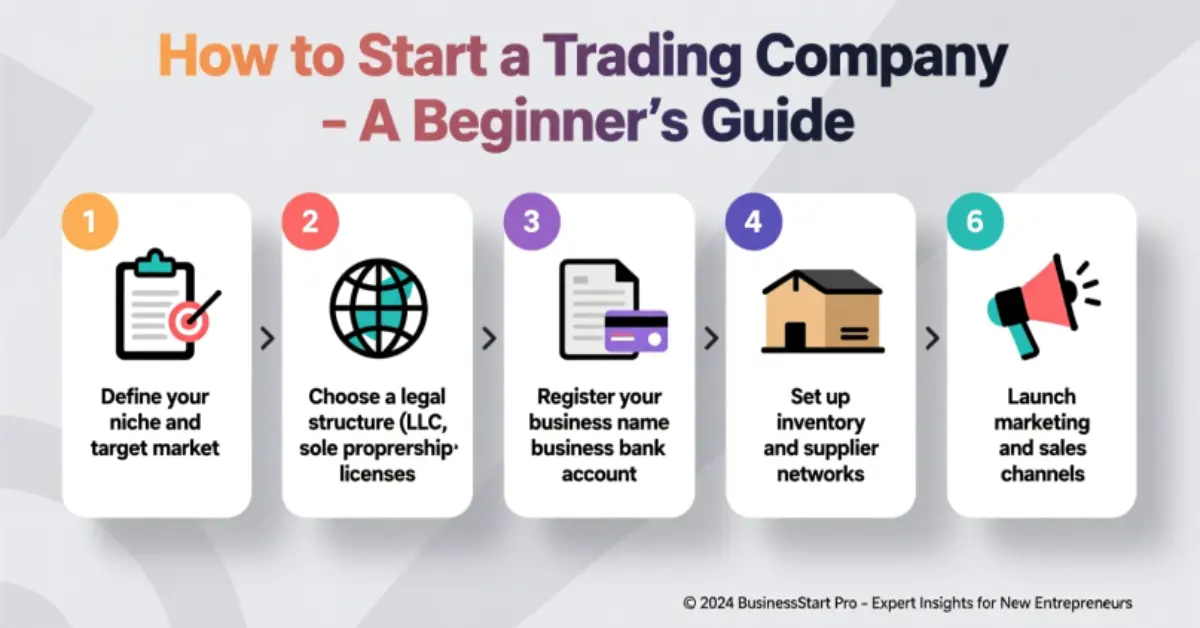
Understanding the Concept of a Trading Company
If you’ve ever wondered how to start a trading company, the first step is understanding what it actually is. At its core, a trading company acts as a bridge between producers and buyers. It doesn’t always manufacture products itself but focuses on moving goods efficiently from one market to another. Think of it as the matchmaker of the business world-connecting the right product with the right buyer at the right time.
Trading companies can take several forms:
- Import trading companies: They bring products from foreign markets into the local market. For instance, importing electronics or fashion items from overseas.
- Export trading companies: These specialize in selling domestic products abroad. Imagine a local coffee roaster supplying beans to international cafés.
- Wholesale trading companies: They buy goods in bulk and sell them to retailers rather than individual consumers.
- Distribution companies: These manage the storage, transport, and delivery of goods from manufacturers to end-users.
The role of a trading company goes beyond just buying and selling. It streamlines the supply chain, ensures product quality, negotiates prices, and often takes care of logistics, making it easier for producers and buyers to connect. Without trading companies, many markets-especially international ones-would struggle to operate efficiently.
Real-life insight: Many beginners think trading is just “buy low, sell high.” In reality, successful traders spend time understanding supply chains, legal regulations, and market demand. That’s where real value-and profit-comes from.
Table of Contents
Identifying Your Niche and Market Opportunity

One of the most critical steps when learning how to start a trading company is choosing the right niche. Picking the right products or services can make or break your business, so it’s worth taking the time to do it thoughtfully.
Start by asking yourself: what industries do you understand well, or where do you have connections? Familiarity with the products you trade gives you an edge in negotiating with suppliers and understanding buyer needs. For example, someone with a background in home appliances might focus on importing smart kitchen gadgets, while a textile enthusiast might target fabrics or fashion accessories.
Next, assess demand, competition, and profitability. You want products that people need consistently, but also markets where there’s room for you to compete. Look at trends in local and international markets, analyze what competitors are offering, and identify areas where your offering could stand out. Remember, trading isn’t about jumping on every trend-it’s about finding products with sustainable demand.
For beginners, a practical approach is to look for gaps in the market. Maybe there’s a product that’s available overseas but hard to find locally, or an underserved niche where buyers struggle to find quality options. Small observations, like noticing repeated questions on forums or comments on social media asking where to buy certain items, can point directly to opportunities.
Real-life insight: Many successful trading companies started by spotting one small gap and serving it consistently before scaling. For instance, a trader noticing a shortage of organic teas in local stores started importing small batches, building relationships, and eventually expanding to multiple beverage products.
May be you like it:
Top 10 Best Trading YouTube Channels to Follow in 2025
Funding an LLC: Easy Ways to Get Startup Money
Family Wealth Strategy – Build and Protect Your Legacy
Invest Wisely: Smart Tips for Growing Your Money
Conducting Market Research
Once you’ve identified your niche, the next step in learning how to start a trading company is thorough market research. This isn’t just a formality-it’s the foundation of smart decisions that can save you time, money, and headaches down the line.
Start by researching suppliers, buyers, and competitors. Suppliers determine the quality and reliability of your products, so it’s essential to vet them carefully. Reach out to multiple suppliers, ask for samples, and check references or reviews. On the buyer side, understanding your target audience helps you tailor your offerings, pricing, and marketing approach. And don’t forget to study competitors-what products they sell, how they price them, and how they communicate with customers. This can reveal opportunities for differentiation.
Next, look at local and international market trends. Which products are gaining popularity? Are there seasonal spikes in demand? Is there regulatory or tariff news that could affect pricing? Being proactive about trends can help you position your trading company ahead of the curve.
There are also practical tools and methods to streamline your research:
- Online B2B platforms like Alibaba or IndiaMART to evaluate suppliers and pricing.
- Market reports from trade associations or government export/import portals.
- Social media, forums, and online reviews to gauge consumer sentiment and unmet needs.
- Networking at trade fairs or industry events to gain insider insights.
Real-life insight: Beginners often underestimate the value of speaking directly with suppliers and buyers. Even a quick call or email can uncover hidden costs, lead times, or special discounts that aren’t advertised online.
Legal Requirements and Business Registration
If you’re serious about learning how to start a trading company, understanding the legal side of things is crucial. Skipping or underestimating this step can lead to fines, delays, or even shutting down your business before it truly begins.
First, you’ll need to handle the business licensing and registration process. This usually involves registering your company name, choosing a business structure (like sole proprietorship, LLC, or corporation), and submitting the necessary paperwork to local authorities. Each structure has implications for taxes, liability, and management, so it’s worth consulting a local accountant or business advisor.
Next comes the tax ID, import/export permits, and compliance regulations. A tax identification number ensures you can operate legally and file your taxes correctly. If you’re importing or exporting goods, most countries require special permits or licenses-sometimes even specific product certifications. Compliance isn’t optional; it protects your business from legal trouble and builds credibility with suppliers and buyers.
Real-world insight: Many beginners assume small trading operations don’t need permits, but customs authorities can impose heavy fines or confiscate shipments. One small trader I know learned this the hard way when trying to import electronics without proper licensing-months of delay and extra costs could have been avoided with proper research.
The takeaway: staying legally compliant isn’t just bureaucracy-it’s a foundation for trust, credibility, and smooth operations. Think of it as insurance for your trading company: small upfront effort prevents big headaches later.
Building a Reliable Supply Chain

A key part of understanding how to start a trading company is creating a supply chain that actually works. Your business depends on getting the right products to the right buyers on time-and that only happens if your supply chain is solid.
Start with finding and vetting suppliers. Don’t just go with the first option you find online. Reach out to multiple suppliers, request samples, and check reviews or references. Reliable suppliers are worth paying a bit more for because delays or poor-quality products can cost far more than the savings from cheaper options.
Next, focus on negotiating contracts, prices, and delivery schedules. Clear agreements on pricing, payment terms, minimum order quantities, and delivery timelines prevent misunderstandings. It’s also smart to have backup suppliers in case of unexpected issues. Remember, negotiation isn’t just about getting the lowest price-it’s about building relationships that are mutually beneficial.
Finally, manage logistics, shipping, and inventory efficiently. Whether you’re importing products from abroad or moving them locally, delays can eat into profits. Track shipments, plan storage carefully, and keep accurate inventory records. Even a small oversight can result in stockouts or excess inventory, both of which affect cash flow.
Real-life insight: Many new trading companies underestimate shipping complexities. One beginner imported furniture without considering customs clearance times-delivery delays frustrated buyers and strained supplier relationships. A little planning upfront would have avoided these problems.
Financing Your Trading Company
Understanding how to start a trading company isn’t just about finding products and buyers-it’s also about money. Without proper financing, even the best ideas can stall before they get off the ground.
Start by estimating startup costs and working capital needs. Think beyond just buying your first batch of products. Include shipping, customs fees, storage, marketing, and unexpected expenses. For example, importing electronics might involve additional costs for packaging, insurance, or currency fluctuations. Knowing your full financial picture prevents nasty surprises.
Next, consider funding options. Many beginners rely on personal savings to get started, which is simple but may limit scale. Business loans, microloans, or investors are alternatives that provide more capital but come with responsibilities like repayments or sharing ownership. Choosing the right mix depends on your risk tolerance and growth plans.
Equally important is budgeting and cash flow management. Track every expense and payment carefully. Keep enough liquidity to cover supplier payments and shipping costs while waiting for buyers to pay. Even a profitable trade can fail if cash flow isn’t managed properly. Simple accounting software or spreadsheets can make a huge difference.
Real-life insight: One small trading company I know nearly ran into trouble because they ordered a large shipment without considering delayed buyer payments. By setting aside a cash buffer, they avoided financial stress and maintained supplier trust.
May be you like it:
Top Finance Webinars to Boost Your Money Skills
My Funding Choice: Find the Best Way to Finance Your Goals
Wealth and Success – Habits That Transform Your Future
Invest Criteria: How to Choose Smart Investments
Pricing and Profit Margins
When learning how to start a trading company, understanding pricing and profit margins is just as important as sourcing products. After all, even a high-demand product won’t keep your business afloat if your pricing doesn’t cover costs and generate profit.
Start by calculating product costs accurately. Include every expense: purchase price, shipping, customs duties, taxes, packaging, and even small handling fees. It’s easy to overlook hidden costs, but they add up quickly. For instance, importing electronics might seem profitable at first glance, but customs duties and shipping delays can eat into margins if not accounted for.
Next, focus on setting competitive yet profitable prices. Research what competitors are charging and consider the value you’re providing. Sometimes slightly higher prices are acceptable if you offer faster delivery, better quality, or exceptional customer service. Pricing isn’t about undercutting everyone-it’s about balancing competitiveness with sustainability.
Finally, monitor your profit margins regularly. Markets change, exchange rates fluctuate, and suppliers adjust pricing. Keep an eye on these factors and adjust your pricing strategy accordingly. Regular monitoring ensures your trading company remains profitable and avoids unexpected losses.
Real-life insight: A beginner trader I know started selling imported kitchen tools at a low price to attract customers. They soon realized they were barely breaking even. After recalculating costs and adjusting prices, the business became sustainable without losing customers.
Marketing and Finding Buyers
Knowing how to start a trading company is one thing, but finding buyers is where many beginners stumble. Even the best products won’t sell themselves, so a solid marketing strategy is essential.
Start by identifying your target buyers, both locally and internationally. Are you selling to retailers, wholesalers, or direct consumers? Understanding who you’re selling to shapes how you market your products.
Next, explore online platforms, trade shows, and networking opportunities. Online B2B platforms like Alibaba, IndiaMART, or even LinkedIn can help you connect with buyers quickly. Trade fairs and industry events are invaluable for meeting clients face-to-face and building trust. Networking-sometimes even casual conversations at local business events-can lead to partnerships or referrals you wouldn’t find online.
Equally important is building relationships for repeat business. A single sale is good, but long-term clients are what make a trading company sustainable. Communicate regularly, deliver consistently, and solve problems proactively. Buyers remember reliability, and a strong reputation can bring referrals and larger orders over time.
Real-life insight: One beginner started trading imported cosmetics. Instead of just making one-off sales, they focused on staying in touch with retailers, sharing updates on new products, and offering small bulk discounts. Within a year, most of their business came from repeat clients rather than chasing new buyers constantly.
Common Challenges and Risk Management

One of the realities of learning how to start a trading company is that challenges are inevitable. Trading involves moving goods across markets, and even small disruptions can impact profits. Being aware of potential pitfalls-and having strategies to handle them-is key to long-term success.
Some common challenges include:
- Market fluctuations: Prices for goods can change rapidly due to demand, seasonality, or global events.
- Supply delays: Shipping issues, production delays, or customs problems can disrupt your schedule.
- Tariffs and regulatory changes: Import/export rules can change suddenly, affecting costs and legal compliance.
So, how do you mitigate risks and plan for contingencies? Start by diversifying suppliers so you’re not reliant on a single source. Keep a cash buffer to manage unexpected costs or delays. Stay informed about market trends, and monitor regulatory updates in both local and international markets. Contingency planning-like having backup shipping methods or alternate products-can make all the difference when issues arise.
Real-world insight: A beginner trading company importing electronics once faced a sudden increase in customs tariffs. Because they had a backup supplier in another country and had set aside emergency funds, they avoided major losses and continued operations smoothly.
Scaling and Long-Term Growth
Learning how to start a trading company is just the beginning-the real test is growing it sustainably over time. Scaling too quickly or without proper planning can be as risky as not starting at all, so it’s important to approach growth strategically.
Start by deciding when and how to expand your product lines or markets. Once your initial niche is stable and profitable, consider adding complementary products or exploring new geographic markets. The goal is to grow without overstretching resources or compromising quality.
Next, focus on automating processes and building a team. Tools for inventory management, order tracking, and accounting can save hours of manual work. Hiring reliable staff or freelancers for logistics, customer service, or marketing allows you to focus on strategy and expansion.
Finally, make it a habit to track performance and adjust strategies over time. Monitor sales trends, profit margins, and buyer feedback. Flexibility is key-markets evolve, and the most successful trading companies are those that adapt quickly.
Real-life insight: One small trading company began with imported home décor items. After stabilizing operations, they automated order tracking, hired a small team for customer support, and expanded into new home accessories. Their growth was measured, steady, and less stressful than trying to scale all at once.
FAQs
What is a trading company?
A trading company buys and sells products, often connecting manufacturers and buyers. It can focus on importing, exporting, wholesale, or distribution, depending on the market.
How do I choose the right products to trade?
Start by researching demand, competition, and gaps in the market. Focus on products you understand or have connections in, and test small batches before scaling.
Do I need special licenses to start a trading company?
Yes. Most countries require business registration, a tax ID, and, if you import or export, permits and compliance with trade regulations. Staying legal prevents fines and builds trust.
How can I find reliable suppliers and buyers?
Use multiple sources-online B2B platforms, trade shows, networking, and direct outreach. Vet suppliers with samples and references, and build relationships with buyers for repeat business.
What are the biggest challenges for beginners?
Common challenges include market fluctuations, supply delays, tariffs, and cash flow management. Planning, diversifying suppliers, and monitoring your finances can help mitigate risks.
Conclusion
Starting a trading company is exciting, but it’s also a journey that requires planning, research, and persistence. From understanding the basics and identifying your niche to building a reliable supply chain and managing finances, every step matters. The key is to start small, learn from real-world experience, and gradually scale your operations while staying flexible and compliant.
Remember, trading isn’t just about moving products-it’s about connecting people with what they need, solving problems efficiently, and building trust with both suppliers and buyers. Ask yourself: Which gap in the market can I fill better than anyone else, and how can I deliver consistent value over time?
May be you like it:
Best Day Trading Setup – Simple Strategies That Work
Business Finance Definition Made Easy for Understanding Info
