

Introduction
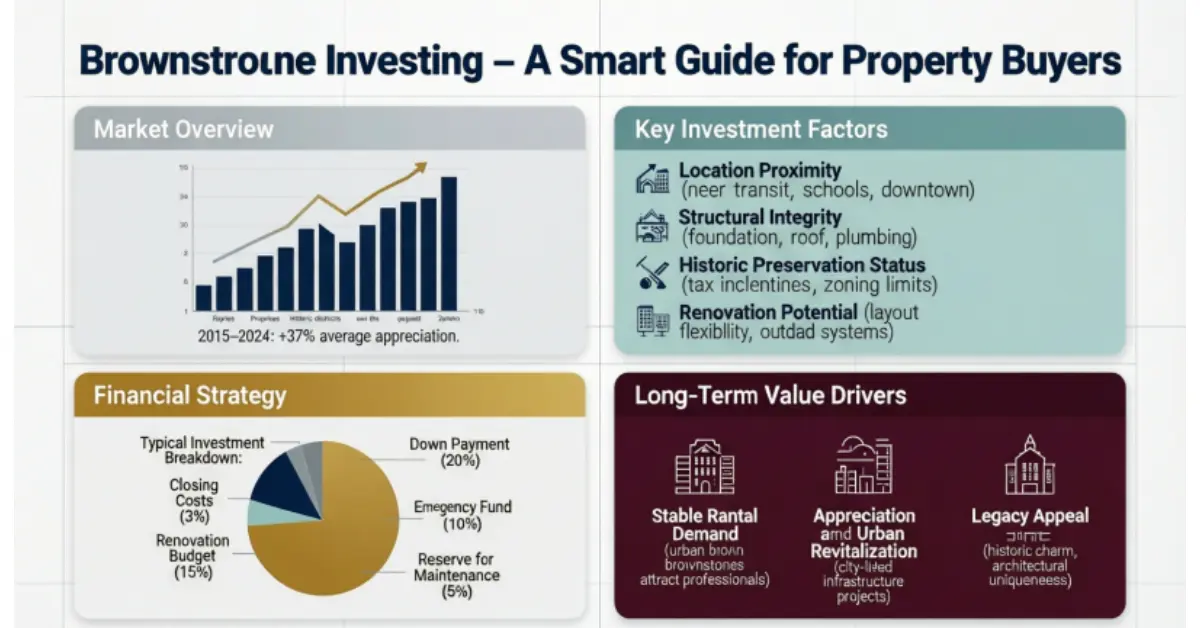
When most people think of classic city architecture, images of brownstones often come to mind – those charming, multi-story homes with brick facades, elegant stoops, and large windows that seem to tell a story from another era. Brownstone investing is the practice of buying, owning, and sometimes renovating these historic properties with the goal of generating income, building equity, or simply enjoying a unique piece of real estate.
What makes brownstones truly special is a combination of character, location, and scarcity. Unlike modern apartments or cookie-cutter townhouses, brownstones offer architectural details you just don’t see in new construction: ornate moldings, high ceilings, and spacious layouts that feel open and inviting.
Investors are drawn to brownstones not only for their beauty but also for theirlong-term value potential.They’re often located in desirable urban neighborhoods – think Brooklyn, Boston, or Philadelphia – where demand for housing remains strong. Owning a brownstone isn’t just about property; it’s about owning a piece of history that can appreciate over time, provide rental income, and offer a tangible connection to the city’s heritage.
In short, brownstones are unique because they combine aesthetic appeal, prime locations, and investment potential – making them a sought-after choice for savvy property buyers looking for more than just four walls and a roof.
Table of Contents
Historic Appeal and Architectural Value
One of the biggest reasons people fall in love with brownstones is their timeless charm. Walk up the steps to a classic brownstone, and you immediately notice the brick facades, ornate railings, and the iconic stoop – a feature that’s both functional and social, often serving as a small stage for morning coffee chats or neighborhood conversations. Step inside, and you’re greeted with high ceilings, hardwood floors, and large windows that let in sunlight, giving the space an airy, inviting feel.
These details aren’t just aesthetic; they have real investment value. Historic design elements can differentiate your property from cookie-cutter modern apartments, making it more attractive to potential buyers or tenants who crave character over plain functionality. A high-ceilinged living room or original fireplace can be a talking point that justifies higher rent or resale price.
Additionally, brownstones often have architectural stories built into their walls. Moldings, crown details, and original layouts showcase craftsmanship from an era when homes were designed for elegance and durability. Properties like these are rare, and rarity tends to protect value over time, even in fluctuating markets.
Mini Insight: Investors who preserve original features while making practical upgrades – like modern kitchens or energy-efficient heating – often see the best returns. The combination of historic appeal and functional improvements creates a property that’s both beautiful and profitable.
In short, the historic charm and thoughtful design of brownstones isn’t just for show – it plays a significant role in attracting tenants, commanding higher prices, and building long-term investment value.
May be you like it:
How Long Does It Take to Learn Day Trading Effectively?
Boost Your Career with an Online Accounting Diploma
Smart Strategies for Generational Wealth Management
What Is a Smart Investment – Simple Guide for Beginners
Prime Locations and Neighborhood Considerations
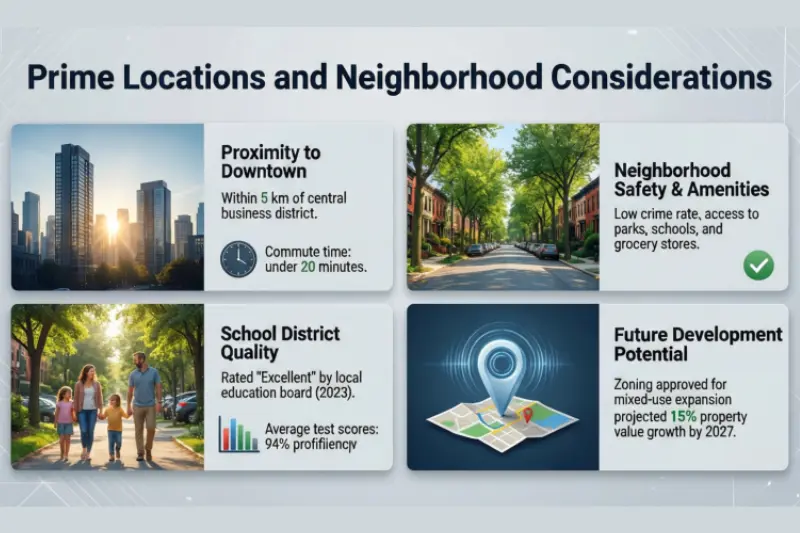
When it comes to brownstone investing, location isn’t just important – it can make or break your investment. Most brownstones are found in established urban neighborhoods, often close to shops, cafes, parks, and public transportation. These areas are inherently attractive to renters and buyers who want convenience and lifestyle, not just a place to sleep.
Schools and amenities also play a big role. Families looking for long-term rentals often prioritize neighborhoods with good schools, safe streets, and easy access to grocery stores or community centers. Even small factors, like proximity to a beloved coffee shop or weekend farmers’ market, can subtly influence property desirability.
Walkability is another key advantage. Many brownstone-rich neighborhoods allow residents to run errands, grab brunch, or commute on foot or via public transit – features that urban professionals and families alike highly value. A brownstone in a walkable neighborhood will often command higher rents or resale prices than one in a less accessible area.
But it’s not just about what exists today – trends matter, too. Neighborhoods can evolve, and keeping an eye on development plans, crime rates, or new transit lines can give investors a heads-up on future value. For example, a neighborhood undergoing gentrification might see property values rise steadily over the next decade, making a brownstone purchase today a strategic long-term investment.
Mini Tip: Spend time walking the streets, talking to locals, and visiting at different times of day. The “feel” of a neighborhood often tells you more than statistics alone.
In short, a brownstone’s location and surrounding environment are just as important as the property itself. Choosing the right neighborhood ensures your investment remains desirable, profitable, and enjoyable for years to come.
Structural and Maintenance Considerations
Owning a brownstone can feel like holding a piece of history in your hands – but with that charm comes responsibility. These buildings are often over a century old, which means plumbing, wiring, roofs, and foundations may need more attention than in newer construction. Ignoring these issues can turn a dream investment into a financial headache.
Common maintenance concerns include:
- Plumbing: Old pipes can leak, corrode, or fail to meet modern building codes.
- Electrical Systems: Wiring from the early 1900s might not support today’s appliances or tech-heavy households.
- Roof and Exterior: Brickwork, gutters, and roof tiles can deteriorate over time, sometimes hidden from plain sight.
- Foundations and Stairs: Settling over decades can create cracks or uneven floors – expensive to fix if overlooked.
Because of these risks, a professional inspection is crucial before buying. A thorough inspection reveals not just visible problems, but also hidden ones that could affect safety and long-term costs. It’s better to know upfront that a roof replacement or electrical upgrade will cost $30,000 than to be blindsided after signing the papers.
Mini Insight: Many investors underestimate maintenance costs by 20–30%. Factor in repairs as part of your budget to avoid surprises, and consider properties where renovations can be done incrementally rather than all at once.
In short, brownstone investing isn’t just about buying beautiful brick and stoops – it’s about understanding the building’s structural reality. Knowing what needs work and planning for it protects your investment and keeps your property profitable over time.
Financing Your Brownstone Investment
Buying a brownstone isn’t like picking up a standard condo or townhouse. Because these properties are often historic and require maintenance, financing can be a bit more complex. Understanding your options before you commit can save a lot of headaches down the line.
Mortgage Options
- Traditional Mortgages: Many lenders will finance brownstones, but they usually want proof that the property is structurally sound and well-maintained. A thorough inspection report often plays a big role in approval.
- Renovation Loans: Programs like the FHA 203(k) or other renovation loans let you finance both the purchase price and renovation costs in a single loan. This is ideal if you plan to modernize kitchens, bathrooms, or systems while keeping historic charm.
- Private Lenders: Some investors turn to private or hard money lenders for short-term financing, especially if they’re flipping a property or the building needs extensive work. These loans often have higher interest rates, but approval can be faster.
How Age and Condition Affect Financing

The older the building, the more scrutiny lenders apply. A brownstone with outdated wiring, plumbing issues, or a sagging roof may require extra documentation or may even be denied a traditional mortgage. Lenders want assurance that their investment is secure – and that the property can generate value without unexpected losses.
- Pro Tip: Always have a detailed inspection report and repair estimate ready. It not only helps with loan approval but also sets realistic expectations for your budget and renovation timeline.
In short, financing a brownstone requires planning and flexibility. Knowing your options, understanding lender requirements, and accounting for the building’s age and condition ensures you’re prepared to make a smart investment without surprises.
May be you like it:
Free Trading Webinar: Learn Smart Market Strategies
Certificate in Business Management Online: Your Career Boost
Smart Generational Wealth Planning for Lasting Legacy
Top Personal Investment Company Tips for Smart Investors
Renovation Strategies for Maximizing ROI
One of the most exciting – and sometimes nerve-wracking – parts of brownstone investing is renovating. You want to preserve the building’s historic charm while making it functional and appealing for today’s market. Striking the right balance can significantly boost rental income or resale value.
Balancing Modern Upgrades with Historic Preservation
Think of it like this: tenants and buyers are often drawn to original details like hardwood floors, ornate fireplaces, or crown moldings. These features add character that modern apartments simply don’t have. At the same time, they expect modern comforts, such as updated kitchens, energy-efficient heating, and functional bathrooms.
A common mistake is over-renovating and stripping away all historic charm. That can actually reduce value, because part of what makes brownstones special is their history and uniqueness.
Renovations That Add Real Value
Here are some upgrades that typically pay off:
- Kitchens and Bathrooms: Modern appliances, updated fixtures, and clean layouts make spaces livable and attractive. These rooms often make the biggest impression on renters or buyers.
- Energy Efficiency: Installing efficient heating, cooling, or windows can reduce costs and appeal to environmentally conscious tenants.
- Structural Repairs: Fixing roofs, foundations, or plumbing is not glamorous, but it protects your investment and prevents costly issues later.
- Preserving Original Details: Refinish hardwood floors, restore fireplaces, or repair moldings. These elements are “wow factors” that justify higher prices.
- Smart Additions: Small upgrades like extra storage, modern lighting, or flexible layouts can make a property feel both historic and livable.
Mini Insight: One investor I know renovated a brownstone in Brooklyn, keeping the original staircase and fireplace while modernizing the kitchen. The result? Rent increased by 25%, and the property sold for more than 15% above market value two years later.
The key is thoughtful renovation: enhance functionality without erasing history. When done right, your brownstone becomes both a beautiful home and a smart, profitable investment.
Rental and Income Opportunities
Once you own a brownstone, one of the biggest questions is: how do I make it pay for itself? The answer depends on your investment goals, the property’s layout, and the neighborhood.
Single-Family vs. Multi-Unit Rentals
Many brownstones were originally designed as single-family homes. Renting them out to one family can provide stable, long-term income, especially if the neighborhood attracts professionals or families looking for space and character. Single-family rentals also tend to require less management than multiple units, which can appeal to first-time investors.
On the other hand, some investors choose to This can increase rental income, but it comes with added responsibilities: managing tenants, complying with zoning laws, and possibly upgrading plumbing or electrical systems to meet code. Multi-unit rentals can be profitable, but they’re more hands-on and sometimes riskier if one unit sits vacant.
Target Tenants and Expected Returns
The type of tenant you aim for depends on the neighborhood and property size:
- Families: Often attracted to multi-bedroom units, good schools, and safe streets. They value long-term stability.
- Young Professionals: Prefer walkable locations, easy access to transit, and modern amenities while appreciating historic charm.
- Short-Term Rentals/Tourists: In high-demand urban areas, renting via platforms like Airbnb can yield higher monthly income – but local regulations and management costs need careful consideration.
Mini Tip: In neighborhoods with strong school districts and local amenities, single-family rentals often see less turnover and steadier returns, while multi-unit conversions are better suited to vibrant, dense areas with high rental demand.
Ultimately, rental strategy should align with your goals, property type, and neighborhood dynamics. By understanding your target tenants and carefully planning occupancy, brownstone investing can generate consistent income while preserving the building’s historic appeal.
Common Pitfalls and Mistakes to Avoid
While brownstones are beautiful and full of investment potential, they come with their fair share of challenges. Many investors – even experienced ones – make mistakes that could have been avoided with careful planning.
Overestimating Affordability or Underestimating Maintenance
It’s easy to fall in love with a brownstone and focus only on the purchase price. But older buildings often hide costly surprises: leaky roofs, outdated plumbing, or foundation issues. Renovation budgets can quickly spiral, so always plan for unexpected expenses – typically 20–30% more than your initial estimate.
Mini Example: One investor purchased a brownstone in Boston thinking the $500k price tag was reasonable. A month later, a plumbing overhaul and new roof added another $75k. Lessons learned: inspect thoroughly and budget generously.
Landmark Restrictions and Zoning Challenges
Many brownstones are considered historic landmarks, which means certain renovations or additions might be restricted. You can’t always replace windows, change the facade, or add extensions without approval. Similarly, local zoning laws may limit multi-unit conversions, short-term rentals, or commercial use. Ignoring these rules can lead to fines, delays, or expensive legal headaches.
Other Common Pitfalls
- Over-leveraging: Taking on too much debt can backfire if rental income slows or maintenance costs spike.
- Ignoring neighborhood trends: Even a beautiful brownstone loses value if the area declines in safety or appeal.
- Underestimating management effort: Multi-unit properties require time and attention; hiring a reliable property manager is often essential.
In short, brownstone investing requires both passion and practicality. Love the property for its charm, but don’t overlook its responsibilities. Careful planning, realistic budgeting, and awareness of regulations will help you avoid costly mistakes and protect your investment.
Conclusion:
Brownstone investing isn’t just about buying property – it’s about investing in history, character, and long-term value. These homes offer charm, prime locations, and the potential for steady appreciation, but they also come with responsibilities: maintenance, renovation, and careful attention to local regulations.
Before taking the plunge, ask yourself: Am I looking for a property that combines lifestyle and investment? Am I ready to handle hands-on management or budget for surprises? If the answer is yes, a brownstone can be both a beautiful home and a smart financial move.
The key is balance – preserving the historic elements that make the property unique while making thoughtful upgrades that increase livability and returns. With patience, planning, and a clear strategy, brownstone investing can be deeply rewarding, offering both personal satisfaction and long-term financial growth.
Mini Insight: Treat your brownstone like a legacy asset, not just a transaction. The care and attention you put in today will pay dividends for years – in value, rental income, and the joy of owning a piece of history.
May be you like it:
Stock Market for Beginners PDF – Your Simple Starter Guide
Top MBA Certificate Programs Online for Career Growth
