


Introduction
When most people think about investing, they picture buying shares on the stock market – companies you can see in the news every day. Private company investing is different. Instead of buying publicly traded stocks, you’re putting your money into companies that aren’t listed on stock exchanges. These could be startups just getting off the ground, family-owned businesses looking to expand, or more established private firms seeking capital for growth.
So, how is it different from public market investing? For starters, liquidity is limited. You can’t just sell your stake with a click of a button. You’re also likely to see meaning fewer public financial reports and less market data to guide decisions. But here’s the exciting part: this lack of exposure often comes with higher potential rewards. Investing early in a promising private company can multiply your wealth many times over if the business succeeds.
Private company investing can be especially attractive for wealth growth for a few reasons:
- High upside potential: Early investment in a fast-growing company can yield significant returns.
- Portfolio diversification: Private companies often operate in niche markets or innovative sectors not available on public markets.
- Influence and engagement: Depending on your role, you might get a say in how the company is run, which can be rewarding both financially and personally.
It’s not without risks, of course, but with careful research, strategic choices, and a bit of patience, private company investing can be a powerful way to grow your wealth – sometimes much faster than traditional stock market options.
Table of Contents
Types of Private Company Investments
Not all private company investments are created equal. Depending on your goals, risk tolerance, and available capital, you might choose different paths. Let’s break down the most common types:
Venture Capital (VC)
Venture capital is all about early-stage startups with huge growth potential. Venture capitalists (VCs) provide funding in exchange for equity and often get involved in guiding the company.
- Potential reward: If the startup succeeds, returns can be exponential.
- Risk: Many startups fail, so losing your investment is a real possibility.
- Example: Think of a small tech startup that eventually becomes the next social media sensation – early VC investors often see incredible profits.
Private Equity (PE)
Private equity typically involves investing in more mature companies that need capital for expansion, restructuring, or operational improvements. PE firms may buy a controlling stake to improve performance and eventually sell at a profit.
- Potential reward: Generally more stable than early-stage VC, with solid growth opportunities.
- Risk: Less risky than startups but still dependent on market conditions and company execution.
Angel Investing
Angel investors are usually individuals investing their own money in startups. Unlike VCs, angels often invest smaller amounts but may provide mentorship, contacts, or strategic guidance.
- Potential reward: Can be highly lucrative if the startup succeeds.
- Risk: Early-stage investments are very risky, and liquidity is limited.
- Real-life insight: Many successful tech companies today started with a few angel investors who believed in the idea when no one else did.
Crowdfunding
Equity crowdfunding platforms now allow everyday investors to buy small stakes in startups. This method lowers the entry barrier for those without millions to invest.
- Potential reward: Access to exciting startups with smaller investment amounts.
- Risk: High failure rate, limited control, and the difficulty of exiting the investment.
Each type of private company investment has its own risk-reward balance. Early-stage VC and angel investing can be thrilling but risky, while private equity and crowdfunding may offer more moderate, manageable exposure. The key is matching the investment type with your goals, expertise, and risk comfort level.
Why Investors Choose Private Companies
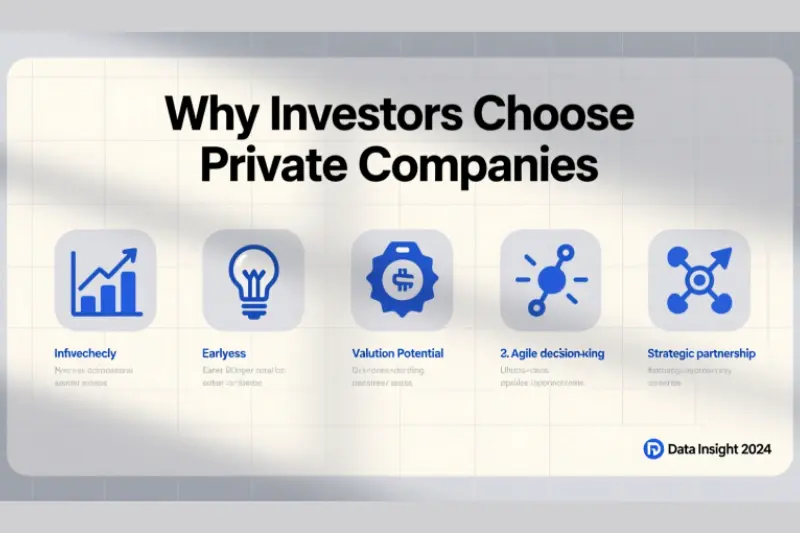
You might wonder, why would someone invest in a private company instead of sticking to the stock market? The answer often comes down to opportunity and control.
May be you like it:
How Long Does It Take to Learn Day Trading Effectively?
Boost Your Career with an Online Accounting Diploma
Smart Strategies for Generational Wealth Management
What Is a Smart Investment – Simple Guide for Beginners
High Potential Returns
One of the biggest draws of private company investing is the chance for massive returns. Public markets tend to move slowly, and your gains are often limited by market competition. Private companies, especially startups, can grow rapidly. Investing early could mean your small stake today turns into a significant fortune down the line.
Mini example: Imagine investing in a small software startup that’s solving a real problem. If the company becomes the next big SaaS platform, early investors can see returns far beyond typical stock market gains.
Early Access to Growth Opportunities
Investing in private companies often gives you access to opportunities before they hit the mainstream market. Being part of a company’s early journey can be exciting – and profitable. You’re not just buying shares; you’re joining a growth story from the ground up.
Diversification
Adding private companies to your portfolio can diversify your investments. They often operate in niche markets or innovative sectors that public companies don’t represent. This can help spread risk and balance your overall portfolio.
Influence and Engagement
Depending on your investment size and structure, you may also have a voice in the company. Unlike public markets, where you’re just a tiny shareholder, private investments sometimes let you contribute ideas, mentor founders, or even participate in strategic decisions. That level of engagement can be both personally rewarding and financially beneficial.
Evaluating a Private Company Before Investing
Investing in a private company without research is like jumping into a pool without checking the water. The right evaluation can save you from mistakes and help you spot real opportunities. Here’s how to approach it:
Assess the Team
People often say investors invest in people, not just ideas – and it’s true. A strong, experienced team can adapt to challenges, pivot when needed, and execute the business plan effectively. Look for:
- Complementary skills among team members
- Past experience or track record of success
- Passion and commitment to the business
Mini example: A startup with brilliant tech but a disorganized team might struggle to deliver products. Conversely, a determined, cohesive team can often overcome obstacles and succeed even in tough markets.
Understand the Business Model
A great idea is exciting, but how does the company make money?
- Are there clear revenue streams?
- Is the model scalable?
- Are costs manageable compared to potential profits?
If a company lacks a solid plan to generate revenue, even the most innovative product may never deliver returns.
Check Market Potential
Even the best company can fail if there’s no market demand. Evaluate:
- Size of the target market
- Existing competition
- Trends and growth opportunities
Ask yourself: Is there enough room for this company to grow and capture significant market share?
Evaluate Risks
Private investments carry real risks:
- Liquidity issues – you may not be able to sell quickly
- Management mistakes
- Market shifts
- Regulatory challenges
Being aware of potential pitfalls lets you prepare and make informed decisions rather than rushing in blindly.
Plan an Exit Strategy
Always know how you’ll get your money back. Common exit strategies include:
- Acquisition by another company
- Initial Public Offering (IPO)
- Secondary sales to other investors
Understanding the exit plan ensures you’re not stuck with a long-term investment that doesn’t fit your goals.
Understanding Risk and Reward

Private company investing can be exciting – the potential returns are tempting, but it’s not without its dangers. Understanding the balance between risk and reward is key to making smart decisions.
Common Pitfalls
Illiquidity
Unlike public stocks, private investments aren’t easy to sell. You might have to wait years before you can exit. That means your money is tied up, which can be stressful if you need cash unexpectedly.
Market Failure
Even great companies can fail due to market conditions. A sudden shift in demand, a new competitor, or changing regulations can impact profits or even lead to the company shutting down.
Mismanagement
A brilliant idea can still fail if the team mismanages resources or makes poor strategic decisions. Leadership matters – a weak or inexperienced management team can turn a promising investment into a loss.
Balancing Reward with Risk
Here’s the reality: the higher the potential reward, the higher the risk. But you can manage it smartly:
- Diversify your investments: Spread your money across multiple companies to reduce the impact of a single failure.
- Invest only what you can afford to lose: Treat private investments as long-term, high-risk opportunities rather than emergency funds.
- Do your homework: Evaluate the team, market, and business model carefully before committing.
- Be patient: Private company growth takes time. Avoid reacting emotionally to short-term fluctuations.
Reflective question: Are you comfortable with the possibility that some investments might fail? Accepting this upfront helps you make calmer, more strategic decisions.
Practical Tips for Successful Investing
Investing in private companies can be thrilling, but without a plan, it’s easy to stumble. Here are some practical tips to help you grow your wealth safely while navigating this high-risk, high-reward space.
Start Small
If you’re new to private company investing, dip your toes before diving in. Even seasoned investors often start with smaller amounts to learn the ropes and get comfortable with the process. This reduces stress and gives you room to make mistakes without jeopardizing your entire portfolio.
Diversify Your Investments
Don’t put all your eggs in one basket. Spread your money across multiple companies or sectors to reduce risk. Diversification helps protect your portfolio in case one company underperforms or fails.
Mini example: Investing in both a tech startup and a local food business can balance potential high-growth returns with more stable, moderate returns.
Leverage Your Expertise
Stick to industries or areas you understand well. If you have experience in technology, healthcare, or finance, use that knowledge to identify promising opportunities and avoid blind spots. Knowledge is power, and it can significantly improve your odds of success.
Network Effectively
Relationships matter in private company investing. Connect with founders, other investors, and industry insiders. Networking can give you access to better deals, insider insights, and mentorship opportunities that you might not find on your own.
Be Patient
Private company investments often take years to pay off. Don’t expect overnight success. Patience allows your investment to grow and gives the company the time it needs to scale.
Real-Life Examples and Case Studies
Sometimes the best way to understand private company investing is through real stories – both successes and failures. These examples illustrate what can go right, what can go wrong, and how investors navigate challenges.
Success Story: Early Tech Startup Investment
A few years ago, an angel investor put a modest sum into a small software startup solving a common business problem. The company was virtually unknown, with a tiny team and limited resources. Over five years, the startup grew rapidly, secured large clients, and eventually got acquired by a major corporation. The investor’s initial stake multiplied several times over.
Insight: Early-stage investments can be risky, but a strong team and a clear solution to a real problem often lead to significant rewards.
Lesson from a Failed Investment
On the flip side, a group of investors funded a promising food delivery startup. The idea seemed solid, and the market demand was clear. However, poor logistics management and underestimating operational costs led to cash flow problems. Within two years, the company folded, and the investors lost most of their money.
Takeaway: Even a seemingly perfect idea can fail without proper execution. Risk management, thorough evaluation, and ongoing involvement are critical.
Navigating Challenges
Successful investors often use these lessons to shape their strategies:
- Due diligence matters: Research the team, market, and business model thoroughly.
- Expect volatility: Not every investment will succeed; plan for failures.
- Stay engaged: Mentorship, advice, and networking can increase the odds of success.
- Learn continuously: Every win and loss provides insights for future investments.
Reflective question: How would you react if one of your investments failed? Understanding your emotional response can help you make better decisions under pressure.
Common Mistakes to Avoid
Even experienced investors stumble when it comes to private company investing. Learning from these common mistakes can save you time, money, and stress.
Chasing Hype
Just because everyone seems excited about a startup doesn’t mean it’s a good investment. Following trends blindly can lead to losses. Always evaluate the fundamentals rather than jumping on the bandwagon.
Mini example: A friend invested in a trending app without checking its revenue model. The app never gained traction, and the investment didn’t pay off.
Ignoring Due Diligence
Skipping research is a fast way to lose money. Understand the company’s team, market potential, business model, and risks. Due diligence isn’t just a formality – it’s your first line of defense.
Overconcentration
Putting too much money into one company is risky. Even the most promising startups can fail. Diversification spreads risk across multiple investments, giving you a better chance of long-term success.
Lack of Patience
Private company investing isn’t a get-rich-quick scheme. Returns often take years, not months. Impatience can lead to premature decisions, like selling too early or panicking during setbacks.
Legal and Financial Considerations
Investing in private companies isn’t just about spotting opportunities – it’s also about protecting yourself legally and financially. Overlooking these aspects can turn a promising investment into a costly headache.
Investment Contracts
Before you invest, carefully review the terms of the agreement. Contracts outline your rights, responsibilities, and the structure of your investment. Make sure you understand:
- The type of equity or debt you’re buying
- Any voting or decision-making rights
- Restrictions on selling or transferring your stake
Mini tip: Even if the company seems trustworthy, always get contracts reviewed by a lawyer. It’s a small step that can prevent big problems later.
Shareholder Rights
As an investor, you may have rights related to:
- Voting on major company decisions
- Access to financial statements and performance reports
- Receiving dividends or distributions, if offered
Understanding your rights helps you stay informed and protect your investment.
Regulatory Compliance
Private companies are subject to various local laws and regulations, depending on the country and industry. Some may need approvals for fundraising, while others must adhere to securities regulations. Ignoring compliance can put both the company and your investment at risk.
Tax Implications
Private investments often come with specific tax considerations. Gains may be taxed differently than public stocks, and some investments might qualify for special incentives or deductions. Consult a tax professional to understand how your investment affects your finances.
May be you like it:
Free Trading Webinar: Learn Smart Market Strategies
Certificate in Business Management Online: Your Career Boost
Smart Generational Wealth Planning for Lasting Legacy
Top Personal Investment Company Tips for Smart Investors
FAQs
What is private company investing?
Private company investing means putting your money into companies that aren’t listed on public stock exchanges. These can be startups, growing businesses, or established private firms. Unlike public stocks, these investments are often less liquid but can offer higher potential returns.
How is private company investing different from public stock investing?
The main differences are:
Liquidity: Private investments are harder to sell quickly.
Transparency: Less publicly available financial data.
Potential Rewards: Early-stage companies can grow rapidly, offering bigger returns.
Influence: Investors may have a voice in company decisions, unlike public shareholders.
What are the main types of private company investments?
Venture Capital (VC): Early-stage startups with high growth potential.
Private Equity (PE): More mature companies, often involving buyouts or restructuring.
Angel Investing: Individual investors funding startups and sometimes mentoring them.
Crowdfunding: Small investments through online platforms to participate in startups.
Each type has different risk-reward profiles and suits different investor goals.
What risks should I be aware of?
Key risks include:
Illiquidity: Hard to sell your stake quickly.
Market failure: Even strong companies can fail due to competition or changing demand.
Mismanagement: Poor leadership can sink a promising company.
Long timelines: Returns may take years to materialize.
Balancing risk with proper research, diversification, and patience is essential.
How can I increase my chances of success?
Do thorough due diligence on the team, business model, and market.
Start small and diversify across companies and sectors.
Invest in areas you understand to leverage your expertise.
Build networks with founders and other investors for insights and better deals.
Be patient and understand legal and financial aspects like contracts, taxes, and shareholder rights.
Conclusion
Private company investing isn’t about chasing quick wins or trying to outsmart the market. It’s about making thoughtful decisions, understanding what you’re getting into, and giving good ideas the time they need to grow. The upside can be powerful, but only when it’s paired with patience, research, and realistic expectations.
If you take the time to evaluate the team, understand the business, manage risk, and stay legally and financially informed, private company investing can become a strong part of your long-term wealth strategy. Not every investment will succeed – and that’s okay. What matters is learning from each experience and getting better with every decision you make.
At the end of the day, smart investing isn’t just about money. It’s about confidence, clarity, and knowing why you invested in the first place. Start small, stay curious, and let experience guide you forward.
May be you like it:
Stock Market for Beginners PDF – Your Simple Starter Guide
Top MBA Certificate Programs Online for Career Growth
