


Introduction
If you’ve ever felt overwhelmed by the idea of growing your money, you’re not alone. That’s where a personal investment company comes in—they act as your financial guide, helping you make smart decisions without the guesswork. Unlike trying to figure out investing on your own, these companies bring professional experience, tools, and strategies tailored specifically to your goals.
At its core, a personal investment company manages your money with a clear plan. They analyze your financial situation, suggest suitable investment options, and constantly monitor your portfolio to keep it on track. This level of expertise is hard to achieve if you’re only relying on DIY investing. Sure, doing it yourself might save some fees, but it also comes with the risk of missing opportunities or making costly mistakes.
Think of it like cooking a complicated meal: following a recipe on your own might work, but having an experienced chef guiding you step by step dramatically increases your chances of success. Personal investment companies do the same for your finances—they reduce stress, provide clarity, and help your money grow efficiently.
Reflective question: Have you ever tried managing your investments alone and felt unsure about whether you were on the right track? That’s exactly the gap a personal investment company fills.
Table of Contents
Setting Clear Financial Goals
One of the first things a personal investment company will do with you is figure out your financial goals. It might sound simple, but many investors jump in without a clear roadmap—and that’s often where mistakes happen. Knowing what you’re aiming for makes all the difference.
Short-term goals are things you want to achieve within a few months to a few years, like saving for a vacation, a new car, or an emergency fund. Long-term goals, on the other hand, might include buying a house, funding your children’s education, or planning for retirement. Each type of goal requires a different approach to investing.
A personal investment company doesn’t just ask what you want—they help you prioritize, quantify, and plan. For example, if you want to retire comfortably in 20 years, your advisor might suggest a combination of low-risk bonds for stability and growth-focused stocks for long-term wealth building. If your goal is short-term, like buying a car next year, the focus might be on safer, more liquid investments.
Mini insight: Many investors overestimate how much risk they should take for short-term goals or underestimate the growth potential for long-term goals. A personal investment company bridges that gap with tailored strategies.
Reflective question: Have you ever thought about where you want your money to be in 1, 5, or 20 years—or is it just “hoping it grows”? Clear goals can change how you invest entirely.
Understanding Your Risk Tolerance
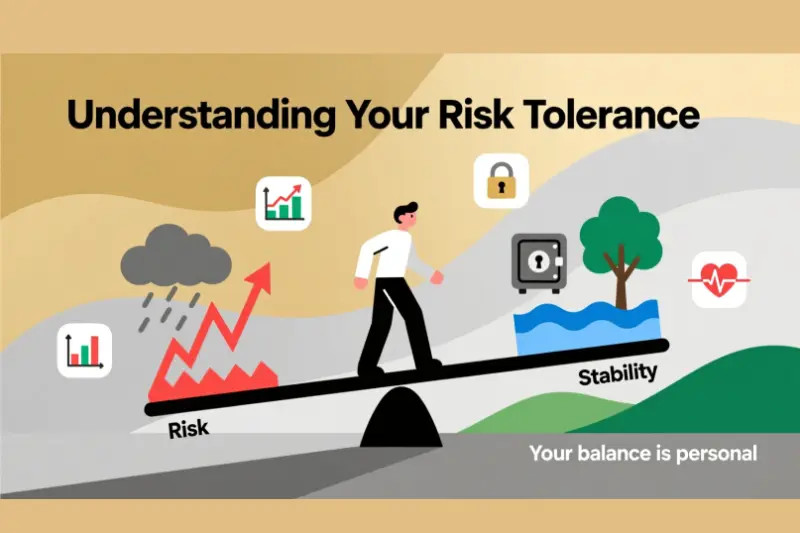
Investing isn’t one-size-fits-all. That’s why understanding your risk tolerance is a crucial step when working with a personal investment company. Risk tolerance is basically how much uncertainty or potential loss you’re comfortable handling while aiming for growth. Some people can sleep peacefully knowing their investments fluctuate, while others get anxious at the slightest dip in the market.
A personal investment company will usually start by asking questions about your financial situation, your timeline, and how you react to market changes. They might even use assessments or simulations to see how you respond to different scenarios. This isn’t just for fun—it ensures your portfolio matches your comfort level and prevents panic-driven decisions.
For instance, imagine two investors with the same amount of money. One is young and open to taking higher risks for long-term growth, while the other prefers stability as they’re nearing retirement. A professional investment company will tailor each portfolio differently: the first might have a higher proportion of growth stocks, while the second might focus on bonds and dividend-paying investments.
Mini insight: Matching investments to your personal risk profile isn’t about avoiding risk completely—it’s about taking the right kind of risk for you.
Reflective question: Have you ever felt stressed by market swings? Understanding your risk tolerance can save both your nerves and your wallet.
May be you like it:
Top 10 Best Trading YouTube Channels to Follow in 2025
Funding an LLC: Easy Ways to Get Startup Money
Family Wealth Strategy – Build and Protect Your Legacy
Invest Wisely: Smart Tips for Growing Your Money
Diversification Strategies
One of the golden rules of investing is: don’t put all your eggs in one basket. A personal investment company emphasizes diversification because it reduces risk and improves your chances of steady growth over time. When you spread your investments across different asset types, industries, or regions, a drop in one area doesn’t wipe out your entire portfolio.
For example, a balanced portfolio might include stocks for growth, bonds for stability, and real estate or REITs for income and hedge against inflation. Some investors also include commodities like gold or other alternative assets to add another layer of protection. The exact mix depends on your financial goals and risk tolerance—something a personal investment company carefully tailors for you.
Mini insight: Diversification isn’t about playing it safe—it’s about smartly balancing risk and reward. Even during market dips, a diversified portfolio tends to weather storms better than a concentrated one.
Real-life example: Imagine Sarah invested only in tech stocks. When the tech sector dipped, she lost a significant portion of her savings. Her friend, who had a diversified portfolio including bonds and real estate, experienced only minor fluctuations and stayed on track toward her financial goals.
Evaluating Fees and Transparency
One of the areas many investors overlook is fees. Working with a personal investment company can be a huge advantage, but only if you understand what you’re paying for. Management fees, commissions, and hidden costs can quietly eat into your returns over time—sometimes without you even noticing.
A transparent investment company will clearly break down all fees upfront. They’ll explain how much goes toward management, fund expenses, or transactions. This level of clarity is not just about numbers—it builds trust. When you know exactly where your money is going, you can make informed decisions and avoid unpleasant surprises later.
Mini insight: Even seemingly small fees can add up. For example, a 1% annual fee on a $100,000 portfolio could cost you thousands in growth over a decade. Knowing this early allows you to choose cost-effective strategies.
Real-life example: Mark switched to a company that provided full transparency on fees. By understanding exactly what he was paying, he realized he could save on unnecessary charges and reallocate that money into investments with better returns.
Reflective question: Have you ever wondered if your investment company’s fees are quietly eating your profits? Understanding fees is just as important as choosing the right investments.
Monitoring and Reviewing Your Portfolio
Investing isn’t a “set it and forget it” game. A personal investment company makes a big difference by helping you monitor and review your portfolio regularly. Regular check-ins allow you to track performance, spot opportunities, and adjust your strategy before small issues become bigger problems.
For example, markets can shift unexpectedly. If you’re heavily invested in one sector that suddenly underperforms, a quick review allows your advisor to rebalance your portfolio—moving funds to more stable or promising investments. This kind of proactive approach can protect your wealth and even improve growth over time.
Mini insight: Some investors skip reviews because they think it’s “too much work,” but a small quarterly or semi-annual check-in can prevent major losses and ensure your investments stay aligned with your goals.
Real-life example: Lisa had invested primarily in energy stocks. After a quarterly review with her personal investment company, they noticed the sector’s performance slowing. They recommended reallocating part of her portfolio into technology and bonds, which stabilized her returns and kept her on track toward her long-term goals.
May be you like it:
Top Finance Webinars to Boost Your Money Skills
My Funding Choice: Find the Best Way to Finance Your Goals
Wealth and Success – Habits That Transform Your Future
Invest Criteria: How to Choose Smart Investments
Choosing the Right Personal Investment Company
Not all investment companies are created equal. Picking the right one can make a huge difference in your financial journey. A good personal investment company combines solid experience, a trustworthy reputation, and transparent practices that reflect true E-E-A-T—Experience, Expertise, Authoritativeness, and Trustworthiness.
When evaluating a company, start by checking their track record. How long have they been managing portfolios? What kind of clients do they serve? Client reviews and testimonials can also reveal a lot about reliability and customer satisfaction.
Before signing up, don’t hesitate to ask questions. For example:
- How do you tailor investment strategies to individual goals?
- What are all the fees involved, and are there any hidden costs?
- How often will I receive updates or portfolio reviews?
- How do you handle risk management and market fluctuations?
Mini insight: Choosing the wrong company can cost you both money and peace of mind. Investing with someone you trust—who understands your goals and communicates clearly—is worth more than a few percentage points in fees.
Reflective question: Would you feel confident handing your financial future to a company without asking these key questions first? Choosing wisely today can make all the difference tomorrow.
Avoiding Common Investment Mistakes
Even experienced investors slip up sometimes. One of the biggest traps is chasing trends or “hot stocks.” A personal investment company helps you stay grounded, reminding you that short-term hype rarely leads to long-term success. Just because everyone’s talking about the latest tech IPO or crypto surge doesn’t mean it fits your goals or risk profile.
Another common mistake is overreacting to market swings. Seeing your portfolio dip can trigger panic selling, but a professional advisor helps you keep perspective. Markets naturally go up and down, and reacting impulsively can lock in losses or derail your long-term plan.
Mini insight: Patience and discipline are as valuable as any investment strategy. Sticking to your carefully designed portfolio often beats chasing trends.
Real-life example: David invested heavily in a “hot stock” after seeing a viral social media post. Within weeks, the stock tanked, wiping out a significant portion of his gains. Meanwhile, his friend, who followed a diversified strategy with guidance from a personal investment company, saw steady growth with far less stress.
Maximizing Returns with Smart Strategies
Once you’ve built a solid portfolio with a personal investment company, the next step is making your money work smarter. Smart strategies like compounding growth, tax-efficient investing, and periodic rebalancing can significantly boost your returns over time.
Compounding growth is simple but powerful: the money your investments earn gets reinvested, so your portfolio grows exponentially instead of linearly. Tax-efficient investments, such as retirement accounts or certain funds, help you keep more of your gains by reducing the tax bite. Rebalancing ensures your portfolio stays aligned with your goals and risk tolerance—selling some assets and buying others to maintain your desired mix.
Real-life example: Emily had a diversified portfolio but never rebalanced. Over time, her stock-heavy allocation exposed her to more risk than she realized. After a review with her personal investment company, they rebalanced her portfolio and optimized her tax strategy. A few years later, her portfolio’s growth was smoother and more predictable, and she kept more of her profits.
Mini insight: These strategies aren’t “tricks”—they’re practical, proven ways to make your money grow efficiently. A personal investment company can implement them tailored to your unique situation.
FAQs
What is a personal investment company?
A personal investment company helps individuals manage their money, plan investments, and grow wealth with tailored strategies.
Who should use a personal investment company?
Anyone looking for expert guidance—whether beginners or experienced investors—can benefit, especially if they want structured, stress-free investing.
How do personal investment companies charge fees?
They typically charge management fees, commissions, or a percentage of assets under management, but a trustworthy company will always be transparent about costs.
Can I invest on my own instead?
Yes, but DIY investing can be risky without proper knowledge. A personal investment company provides guidance, diversification, and risk management.
How often should I review my investments?
Regular check-ins—quarterly or at least twice a year—help track performance, rebalance portfolios, and adjust strategies as needed.
Conclusion
Investing wisely doesn’t have to feel overwhelming. A personal investment company can guide you through every step—from setting clear goals and understanding your risk tolerance to diversifying your portfolio, monitoring progress, and avoiding common pitfalls. The key is combining expertise with strategies that actually match your life and financial goals.
Here are a few actionable takeaways:
- Define your short-term and long-term financial goals clearly.
- Diversify your portfolio to balance risk and growth.
- Understand all fees and demand transparency from your investment company.
- Monitor and review your portfolio regularly.
- Avoid chasing trends or reacting impulsively to market fluctuations.
- Use smart strategies like compounding, tax-efficient investing, and rebalancing.
Remember, the first step is often the hardest—but it’s also the most important. Choosing a trusted personal investment company today can set the foundation for a more confident, less stressful, and ultimately more successful financial future. Your money deserves guidance, and your goals deserve a plan.
May be you like it:
Best Day Trading Setup – Simple Strategies That Work
Business Finance Definition Made Easy for Understanding Info
