

Introduction
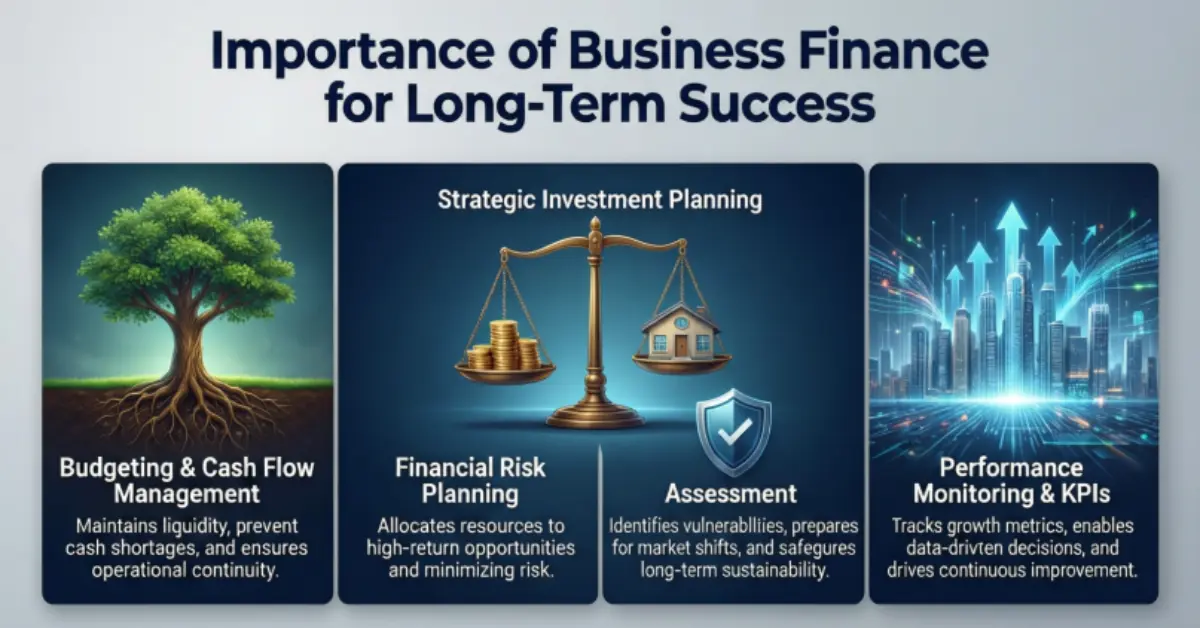
At its simplest, Importance of Business Finance is all about managing the money that flows in and out of a business. It’s more than just keeping track of sales and expenses-it’s understanding how every financial decision affects the company’s present stability and future growth. From paying suppliers and employees to investing in new projects, finance touches almost every part of running a business.
So, why does it matter? Because even the best business ideas can fail without proper financial oversight. A company might have a popular product, loyal customers, and great marketing, but if it can’t manage cash flow, cover expenses, or plan for unexpected challenges, it won’t survive in the long term.
The connection between finance and long-term business survival is clear: businesses that understand their finances make informed decisions, avoid costly mistakes, and stay prepared for both opportunities and challenges. Essentially, strong financial management acts as a foundation-without it, growth is shaky, and sustainability becomes a risk rather than a goal.
Think of it like this: business finance is your business’s health check. Just like you wouldn’t ignore your own finances or physical health, you can’t afford to ignore the financial health of your business if you want it to thrive for years to come.
Table of Contents
Understanding Cash Flow
When people talk about business success, profit often steals the spotlight. “We made a profit!” sounds great-but profit alone doesn’t tell the full story. That’s where cash flow comes in. Cash flow is the actual movement of money in and out of your business, and it’s what keeps the lights on, the salaries paid, and the bills covered.
Here’s the key difference: profit shows whether your business earned more than it spentFinancial Planning for Stability
Financial Planning for Stability
Running a business without a financial plan is like sailing without a map-you might move forward, but you never really know where you’re headed. Financial planning gives your business direction, helping you stay steady no matter what comes your way. It’s more than spreadsheets; it’s a proactive approach to managing money, anticipating challenges, and seizing opportunities.
Budgeting, Forecasting, and Reserve Planning
A strong financial plan starts with budgeting. This means knowing exactly where your money is going-monthly expenses, salaries, operational costs, and any planned investments. Once you have a budget, forecasting helps you predict future revenue and expenses. It’s not about guessing perfectly; it’s about spotting trends and preparing for what’s likely ahead.
Equally important is reserve planning-setting aside cash for emergencies. Unexpected events happen all the time: a major client delays payment, equipment breaks down, or market conditions suddenly shift. Having a financial cushion prevents these surprises from turning into crises. Even a small reserve can make the difference between surviving tough months or scrambling to stay afloat.
Preparing for Slow Periods and Unexpected Expenses
No business grows at a constant pace. Some months are busier than others, and sometimes the economy or industry shifts unexpectedly. Financial planning lets you navigate these slow periods without panic. By knowing your fixed costs and having a reserve, you can make smart decisions-like adjusting inventory, delaying nonessential spending, or finding temporary solutions-without risking long-term stability.
Think of it like training for a marathon. You don’t just run one day and hope for the best; you prepare, pace yourself, and have strategies for tough stretches. In business, financial planning does the same: it keeps your operations steady, your decisions rational, and your growth sustainable. over a period, but it doesn’t show whether you actually have money in the bank at any given moment. You could be profitable on paper but still struggle to pay rent or suppliers if cash isn’t available when you need it.
Cash flow directly impacts day-to-day operations. Late payments from clients, unexpected expenses, or seasonal dips in revenue can create short-term cash gaps that affect everything-buying inventory, paying employees, or taking on new projects. By keeping track of cash flow, businesses can anticipate shortages, plan for peaks and valleys, and make decisions with confidence rather than guesswork.
Think of cash flow as the heartbeat of your business. Profit tells you you’re alive, but cash flow ensures you keep functioning day to day. Businesses that understand this difference are much better equipped for long-term survival and growth.
May be you like it:
How Long Does It Take to Learn Day Trading Effectively?
Boost Your Career with an Online Accounting Diploma
Smart Strategies for Generational Wealth Management
What Is a Smart Investment – Simple Guide for Beginners
Pricing and Profit Margins
Setting the right price is one of the trickiest parts of running a business. Charge too little, and you risk working endlessly without making a real profit. Charge too much, and customers might walk away. This is where financial insights come into play, helping you make pricing decisions that are both competitive and sustainable.
Using Financial Insights to Set Prices
Before you set a price, you need to know your costs-everything from raw materials and labor to overheads like rent and utilities. Once you understand the total cost, you can determine the minimum price needed to stay profitable. From there, you can factor in market conditions, competitor pricing, and perceived value to your customers.
For example, a small bakery might discover that while a cupcake costs $1.50 to make, selling it for $2 doesn’t cover all overheads like electricity or staff wages. Understanding these numbers allows the owner to set a realistic price-say $3-which keeps the business profitable while still appealing to customers.
Protecting Profit Margins Through Proper Cost Management
Profit margins aren’t just about pricing-they’re also about controlling costs. Even a well-priced product can fail to generate profit if expenses creep up unnoticed. Financial management helps monitor spending, identify inefficiencies, and adjust operations to protect margins.
Consider a freelance graphic designer. They might price a project based on hourly rates, but if software subscriptions, taxes, and time spent on revisions aren’t accounted for, the actual profit shrinks. Tracking costs and adjusting pricing ensures that each project contributes positively to the bottom line.
In short, using financial insights for pricing and cost management doesn’t just keep the business afloat-it ensures every sale contributes meaningfully to long-term success.
Growth and Expansion Planning
Growing a business is exciting-but it can also be risky if finances aren’t carefully managed. Many entrepreneurs chase opportunities without fully understanding the money required, and that’s when businesses hit unexpected trouble. This is why planning growth with financial insight is essential for long-term success.
Financing Growth Without Overextending
Expansion costs money upfront. Hiring new staff, increasing inventory, upgrading equipment, or opening a new location all require cash before they start generating returns. Overextending-spending more than your business can realistically support-can quickly turn growth into stress.
Financial planning helps you determine how much you can safely invest without jeopardizing day-to-day operations. It allows you to explore funding options, like loans or investors, in a controlled way. The goal isn’t just to grow fast-it’s to grow smart.
Using Financial Data to Make Informed Expansion Decisions
Data-driven growth decisions are less about gut feeling and more about facts. Looking at cash flow trends, projected profits, and operational costs gives a clearer picture of whether an expansion is sustainable.
For example, a small café considering a second location can use financial data to calculate:
- Expected revenue from the new branch
- Staffing and supply costs
- Breakeven point and payback timeline
These insights make it easier to decide whether the expansion is realistic now, or if it’s better to wait until the finances are stronger. By relying on financial data, businesses can seize opportunities without putting their long-term stability at risk.
Managing Debt Wisely
Debt often gets a bad reputation, but the truth is, it’s not inherently bad. The real challenge is knowing which debt helps your business grow and which can quietly become a burden. Understanding this distinction is a key part of mastering business finance.
Difference Between Good Debt and Bad Debt
Good debt is used strategically to generate returns that exceed the cost of borrowing. For instance, taking a loan to purchase a delivery vehicle for an e-commerce business could increase sales and efficiency, ultimately paying for itself.
Bad debt, on the other hand, is money borrowed for non-essential expenses or without a clear plan to repay. It might cover overspending on luxuries, unnecessary inventory, or poor cash flow management. Bad debt can snowball quickly, putting pressure on operations and limiting your ability to invest in growth.
How Financial Awareness Keeps Debt Manageable
Being aware of your financial situation is the best way to keep debt under control. This means tracking total obligations, interest rates, repayment schedules, and how each debt fits into your broader budget. When you know exactly what you owe and when it’s due, you can make informed decisions about taking on new debt or paying down existing loans.
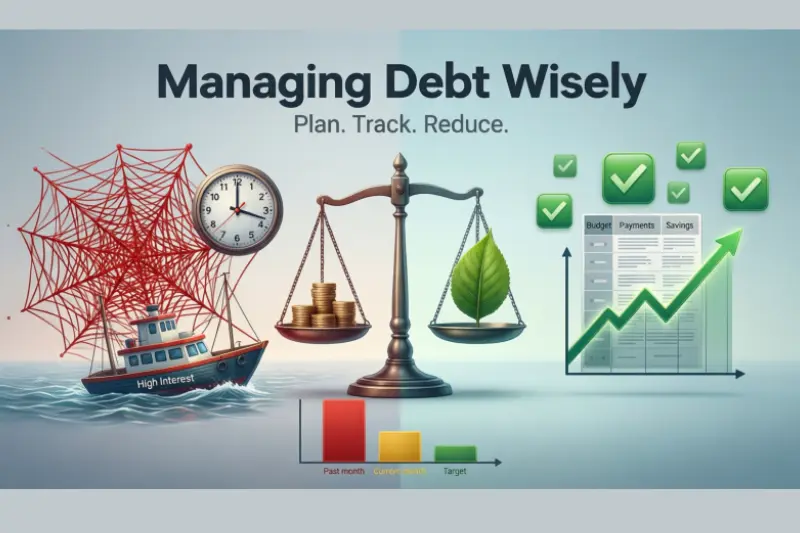
Think of it like balancing weights on a scale: too much in one area tips the balance and causes stress. Proper financial management ensures that borrowing works for your business, not against it.
In short, debt isn’t the enemy. Lack of awareness is. When managed wisely, debt can be a tool for growth rather than a hidden risk.
Decision-Making with Financial Clarity
Running a business often comes with tough choices-and it’s easy to let emotions guide decisions. Excitement, fear, or even overconfidence can push you toward actions that feel right in the moment but might hurt your business later. That’s where financial clarity becomes invaluable.
Using Financial Data to Support Business Decisions
Numbers don’t replace intuition, but they do give it direction. By analyzing cash flow, expenses, and projected profits, you can make informed decisions rather than guessing.
For example, imagine you’re considering launching a new product line. Without financial insight, it might feel like a great idea based on market trends alone. But reviewing your budget, cash reserves, and expected return can reveal whether it’s feasible now or if waiting a few months would be wiser. Data transforms decisions from hopeful guesses into calculated steps.
Reducing Emotional and Impulsive Choices
Emotions aren’t bad-they’re human-but relying solely on them can be risky. Financial clarity provides a reality check. It answers questions like:
- Can we afford this right now?
- How long before we see a return?
- What happens if things don’t go as planned?
With these answers in hand, you’re less likely to make impulsive moves that could hurt the business. Instead, you act with confidence, knowing the decision is supported by facts, not just feelings.
In short, financial clarity doesn’t remove the human side of decision-making-it balances it. By combining data with instinct, you make smarter choices that protect the business today and strengthen it for long-term success.
Importance of Business Finance for Small Businesses
Small businesses don’t have the same safety nets as larger companies. A single financial mistake can ripple quickly, affecting operations, employees, and customer relationships. That’s why understanding the importance of business finance is critical, even-or especially-for smaller enterprises.
How Small Businesses Feel Financial Mistakes Faster
Unlike large corporations, small businesses have limited cash reserves and fewer resources to absorb shocks. Late payments from clients, unexpected expenses, or poor pricing decisions can quickly create stress. What might be a minor hiccup for a big company can turn into a major problem for a small business.
For instance, a small boutique might overorder inventory before a slow season. Suddenly, cash is tied up in stock that isn’t selling, leaving little money to cover rent or staff wages. Understanding finances early helps prevent these situations, keeping the business afloat during challenging times.
Using Finance to Prioritize Spending and Build Credibility
Financial management isn’t just about survival-it’s about making smart choices and earning trust. By tracking expenses carefully, small businesses can prioritize spending on what truly drives growth and cut unnecessary costs.
Clear financial records also build credibility with banks, suppliers, and potential investors. When partners see that a small business understands its numbers, they’re more likely to offer favorable terms, loans, or collaborations. This trust can open doors that cash alone can’t.
In short, strong financial practices give small businesses control, credibility, and confidence-all of which are essential for long-term stability and growth.
Risk Management Through Finance
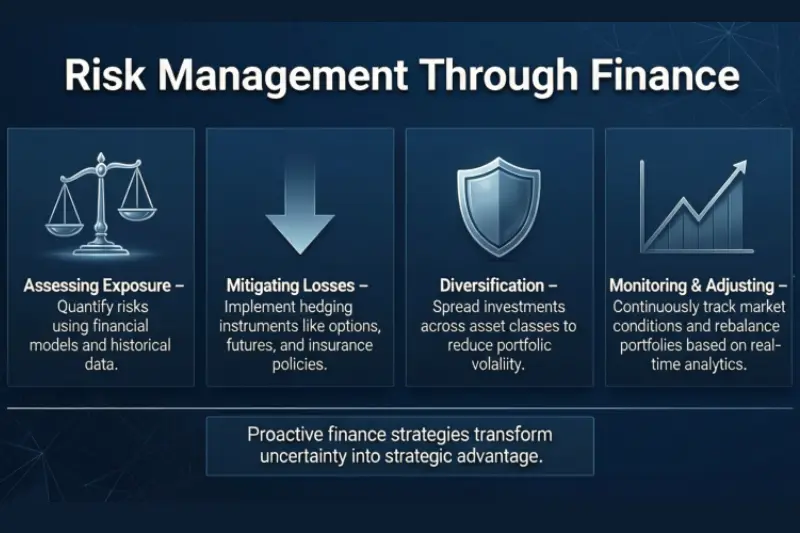
Every business faces risk-some obvious, some hidden. The difference between thriving and struggling often comes down to how well a business understands and manages those risks. That’s where finance becomes more than numbers on a spreadsheet; it’s a tool for foresight and protection.
Identifying and Mitigating Financial Risks Early
Financial awareness allows you to spot potential problems before they become crises. Rising costs, shrinking profit margins, over-dependence on a single client, or delays in customer payments are all examples of risks that, if ignored, can escalate quickly.
For example, a small marketing agency relying on one major client may see healthy profits now, but if that client leaves unexpectedly, cash flow could dry up overnight. Regularly reviewing financial statements, cash flow forecasts, and expense patterns helps you identify these risks early, giving you time to act.
Mitigation strategies might include diversifying your client base, negotiating better payment terms, or adjusting your expenses to maintain stability. The key is awareness-seeing the risk before it surprises you.
Creating Resilience Against Market Fluctuations
Markets are rarely predictable. Seasonal changes, economic shifts, and industry trends can all affect your revenue. Businesses that plan financially can withstand these fluctuations more gracefully.
By maintaining cash reserves, keeping debt manageable, and budgeting for lean periods, you build resilience. It’s like having a financial shock absorber: when unexpected changes hit, your business doesn’t crash-it adapts and continues moving forward.
In short, strong financial management doesn’t eliminate risk, but it gives you the tools to anticipate, manage, and survive. The businesses that consistently last are the ones prepared for both the highs and the lows.
May be you like it:
Free Trading Webinar: Learn Smart Market Strategies
Certificate in Business Management Online: Your Career Boost
Smart Generational Wealth Planning for Lasting Legacy
Top Personal Investment Company Tips for Smart Investors
Real-World Insights and Long-Term Success
Understanding the importance of business finance isn’t just theory-it’s a lesson businesses learn over time, often the hard way. The companies that survive and thrive are the ones that respect their finances, make decisions based on data, and plan for the long haul.
Examples of Businesses That Succeed by Respecting Finance
Consider a small tech startup that tracks every dollar carefully. They know their cash flow, plan for unexpected expenses, and prioritize spending on activities that drive growth. Because of this discipline, they can scale gradually without risking their operations. When competitors rush into expansion and overextend, this startup remains stable, turning steady growth into a long-term advantage.
Similarly, established companies like Apple and Amazon didn’t just innovate-they also invested strategically, managed debt wisely, and used financial data to guide decisions. Their success isn’t just about products; it’s about disciplined financial planning that supports every move.
How Understanding Business Finance Leads to Sustainable Growth
At its core, understanding business finance gives entrepreneurs and managers clarity, control, and confidence. You can identify which opportunities are worth pursuing, prepare for lean periods, and make decisions that align with long-term goals rather than short-term excitement.
Sustainable growth comes from consistency-making sure every step forward is backed by solid numbers. When business finance is treated as a tool rather than an afterthought, growth becomes predictable, manageable, and less stressful.
The takeaway is simple: respecting finance doesn’t limit ambition-it strengthens it. Businesses that embrace financial awareness don’t just survive-they build a foundation that supports growth, stability, and long-term success.
FAQs
What is business finance?
Business finance is managing money in a business, including income, expenses, and investments, to ensure smooth operations and growth.
Why is business finance important?
It helps businesses make informed decisions, stay stable during slow periods, and plan for long-term success.
How is cash flow different from profit?
Profit shows earnings on paper, while cash flow tracks actual money moving in and out of your business daily.
How can financial planning help a small business?
It prioritizes spending, builds savings, and creates credibility with banks and partners, making growth safer.
What is good debt in business?
Good debt is money borrowed to invest in assets or growth that will bring more income than the cost of borrowing.
How does business finance reduce risky decisions?
By using financial data, owners can make choices based on facts, not emotions or guesswork.
Why should businesses save for slow periods?
Reserves act as a cushion, keeping operations steady even when sales dip or unexpected expenses arise.
How does pricing affect profit margins?
Knowing costs and overheads ensures prices cover expenses and protect profits, preventing hidden losses.
How can financial awareness help during market changes?
It identifies risks early, allowing businesses to adjust spending, operations, or strategy before problems escalate.
What’s the long-term benefit of respecting business finance?
It builds stability, resilience, and sustainable growth, turning short-term decisions into long-lasting success.
Conclusion
The importance of business finance goes far beyond balancing spreadsheets or tracking invoices. It’s the backbone of every decision, the safety net during slow periods, and the engine that drives smart growth. Businesses that understand their finances act with confidence, make informed choices, and avoid costly surprises.
From small startups to large corporations, financial awareness builds stability, resilience, and long-term success. It allows you to plan for the future, seize opportunities wisely, and create a sustainable path forward.
At the end of the day, respecting and managing your business finances doesn’t restrict your ambition-it supports it. When you master this aspect, your business not only survives challenges but thrives steadily over time, turning short-term efforts into long-lasting success.
May be you like it:
Stock Market for Beginners PDF – Your Simple Starter Guide
Top MBA Certificate Programs Online for Career Growth
