

Introduction
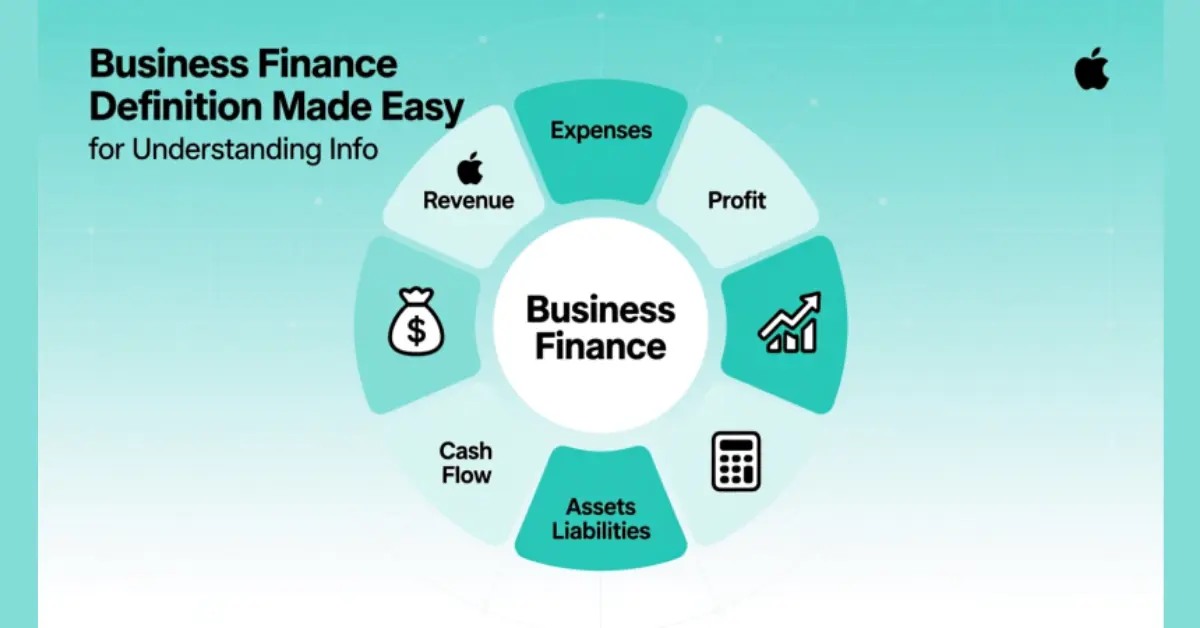
At its core, business finance is simply how a company gets, uses, and manages money to run day-to-day operations and grow over time. Think of it like the lifeblood of a business — without it, even the best ideas can’t go anywhere.
Whether you’re running a tiny neighborhood cafe or a large tech startup, understanding Business Finance Definition matters. It helps you plan for slow months, invest in growth, pay your team on time, and avoid surprises that could derail your business. In short, it turns chaos into control and ideas into results.
Table of Contents
Core Meaning of Business Finance
At its simplest, the business finance definition is about how a company manages its money to keep running and growing. It’s not just about counting dollars and cents — it’s about making smart choices with the money you have and planning for the money you’ll need in the future.
For example, imagine a small bakery. The owner needs money to buy flour, pay employees, and cover rent. At the same time, they want to save for a new oven or a bigger shop. Managing all of this efficiently — knowing when to spend, when to save, and how to plan — is business finance in action.
Even for startups, business finance is crucial. A tech startup might get an investment from outside investors. How they use that money for product development, marketing, and hiring will decide if they succeed or fail. Understanding the core meaning of business finance helps business owners make these critical decisions confidently.
Objectives of Business Finance

Business finance isn’t just about handling money—it has clear goals that guide every decision. The main objectives include:
Profit Maximization
Every business wants to earn more than it spends. Profit isn’t just a number; it’s what allows a business to survive, pay its team, and reinvest in growth. For example, a small coffee shop tracks daily sales and costs to ensure each cup sold actually contributes to profit.
Liquidity Management
Having cash on hand is crucial. A profitable business can still fail if it can’t pay bills on time. Liquidity management means making sure money is available when needed — like paying suppliers or covering unexpected expenses without stress.
Growth Planning
Smart finance helps businesses plan for the future. This could be expanding to a new location, launching a product, or hiring more staff. Proper financial planning ensures growth is sustainable and doesn’t stretch resources too thin.
In short, the objectives of business finance are about balancing today’s needs with tomorrow’s opportunities. It’s not just numbers-it’s a roadmap for making your business stronger and smarter.
May be you like it:
How Long Does It Take to Learn Day Trading Effectively?
Boost Your Career with an Online Accounting Diploma
Smart Strategies for Generational Wealth Management
What Is a Smart Investment – Simple Guide for Beginners
Main Components of Business Finance
Understanding business finance becomes much easier when you break it into three main parts: Financing, Investment, and Control/Management.
Financing (Raising Money)
This is all about where your business gets its money. It could be your own savings, a bank loan, or investors who believe in your idea. For example, a small boutique may take a short-term loan to stock up for a holiday season. Choosing the right source is key because each comes with its own cost or obligation.
Investment (Using Money Wisely)
Once you have the money, the next step is spending it smartly. Every dollar should help the business grow or run smoothly. A startup might invest in better software to improve productivity or in marketing to attract new customers. Bad investment choices, like buying unnecessary items, can waste valuable resources.
Control/Management (Tracking and Planning)
This is the ongoing part—keeping an eye on your money and planning ahead. It includes budgeting, monitoring income and expenses, forecasting profits, and preparing for taxes. Think of it like a dashboard for your business: without it, you wouldn’t know if you’re headed in the right direction.
These three components work together. Finance brings the money in, investment puts it to work, and management keeps it on track. Mastering all three is the secret to a healthy, growing business.
Types of Business Finance
Business finance comes in different forms, and understanding the types helps you make smarter decisions for your business. Here’s a simple breakdown:
Short-Term vs. Long-Term Finance
- Short-term finance is money you need for daily operations or quick expenses, like paying suppliers or rent.
- Long-term finance is for bigger plans, like buying equipment, opening a new store, or expanding your team.
For example, a small bakery may use a short-term loan to buy ingredients for the week, while a long-term loan could help purchase a commercial oven.
Debt Finance vs. Equity Finance
- Debt finance means borrowing money that must be repaid, often with interest.
- Equity finance is when investors give money in exchange for a share of your business.
A startup might take equity investment from an investor to grow faster, while a local shop could take a small loan to manage cash flow.
Internal vs. External Sources
- Internal sources come from within the business, like retained profits or personal savings.
- External sources come from outside, like banks, investors, or government grants.
Knowing which type to use in which situation can save your business time, stress, and money. The right choice keeps your finances flexible and your business growing steadily.
Importance of Business Finance
Understanding and managing business finance isn’t just a formality—it directly impacts how well a business runs and grows. Here’s why it matters:
Helps in Decision-Making
Good financial knowledge allows business owners to make smarter choices. For example, if a small clothing shop tracks sales and expenses carefully, the owner can decide whether to hire more staff, increase stock, or save for a new location. Without this insight, decisions are often based on guesswork.
Ensures Smooth Operations
Business finance keeps the daily engine running. Paying employees on time, covering rent, and buying necessary materials all depend on having money available and knowing where it goes. Poor finance management can lead to delays, stress, and even temporary shutdowns.
Supports Expansion and Risk Management
When a business understands its finances, it can plan for growth and handle unexpected challenges. Want to open a new branch or launch a product? Proper financial planning helps you assess risks, avoid overspending, and ensure sustainable growth.
In short, business finance keeps your business steady today and prepared for tomorrow. It’s not just about money-it’s about making your business resilient and ready to thrive.
Common Challenges in Business Finance

Even with the best intentions, managing business finances can be tricky. Many businesses face the same common challenges:
Cash Flow Problems
Cash flow is the money coming in versus going out. Even profitable businesses can struggle if money isn’t available when needed. For instance, a café might make great monthly sales but still struggle to pay suppliers if payments from customers are delayed.
Poor Budgeting
Without a clear budget, it’s easy to overspend on unnecessary things or underestimate costs. A small boutique, for example, may buy too much inventory during a sale season and later find itself short on cash for rent or salaries.
Mixing Personal and Business Funds
Many small business owners mix personal and business money, thinking it’s easier. This can create confusion, make tracking profits harder, and even cause tax issues. Separating accounts keeps finances transparent and manageable.
Recognizing these challenges early is the first step toward stronger, smarter financial management. With planning and awareness, most of these problems can be avoided or minimized.
May be you like it:
Free Trading Webinar: Learn Smart Market Strategies
Certificate in Business Management Online: Your Career Boost
Smart Generational Wealth Planning for Lasting Legacy
Top Personal Investment Company Tips for Smart Investors
Practical Examples and Case Studies
Understanding business finance becomes much clearer when you see it in action. Here are a few real-life scenarios:
Example 1: Small Bakery
A local bakery tracks daily sales and expenses in a simple spreadsheet. By doing this, the owner noticed that ingredient costs were higher on weekends. They negotiated a deal with suppliers and adjusted menu prices slightly, which improved profits without upsetting customers.
Example 2: Startup Tech Company
A tech startup received an investment from outside investors. Instead of spending it all at once, the founders created a budget for product development, marketing, and hiring. They also set aside emergency funds. This careful financial planning helped them launch successfully and stay afloat during slow months.
Example 3: Freelance Business
A freelance graphic designer separates personal and business accounts, keeps track of invoices, and sets aside money for taxes. By doing so, they avoid cash surprises and know exactly how much profit they’re making each month.
These examples show that good financial habits are practical, not complicated. Even small steps—like tracking expenses or planning ahead—can make a huge difference.
Tips to Manage Business Finance Effectively
Managing business finance doesn’t have to be complicated. Small, consistent steps can make a big difference. Here’s how:
Create a Budget
Start by planning your income and expenses. Even a simple monthly budget helps you see where money is going and prevents overspending. For example, a small café owner can plan how much to spend on supplies, staff, and marketing each month.
Track Expenses and Income
Keep a record of every expense and sale. You can use a notebook, spreadsheet, or apps like QuickBooks or Wave. Tracking helps you spot unnecessary costs and ensures you know exactly how much profit you’re making.
Monitor Profit and Loss Regularly
Check your financial performance weekly or monthly. This helps you see trends, identify problem areas, and plan for future growth.
Use Tools and Apps
Technology can make finance management easier. Simple apps for invoicing, budgeting, and expense tracking save time and reduce mistakes. Even small businesses can benefit from digital tools without hiring an accountant.
Keep Personal and Business Finances Separate
Separate accounts make tracking easier, reduce confusion, and help with taxes. It also gives a clear picture of how your business is performing.
By following these tips, business owners can take control of their money, make smarter decisions, and reduce financial stress.
FAQs
What is business finance?
It’s how a business manages, uses, and raises money to operate and grow.
Why is business finance important?
It helps businesses make smart decisions, plan for growth, and avoid money problems.
What are the main parts of business finance?
Financing (getting money), investing (using money wisely), and managing (tracking and planning).
What types of business finance exist?
Short-term vs. long-term, debt vs. equity, and internal vs. external funding.
Can small businesses benefit from understanding business finance?
Absolutely! Even small businesses can run smoother, save money, and grow faster with good finance practices.
Conclusion
Understanding the business finance definition isn’t just about numbers—it’s about making smart decisions, planning ahead, and keeping your business healthy. From managing daily expenses to planning for growth, business finance touches every part of running a company, big or small.
Key Takeaways:
- Business finance involves raising, using, and managing money effectively.
- Core objectives include profit maximization, liquidity, and growth planning.
- Knowing the types of finance (short-term, long-term, debt, equity) helps you choose the right approach.
- Challenges like cash flow issues or poor budgeting are common but avoidable with good habits.
- Practical tools, apps, and simple tracking methods make managing money easier.
The best part? You don’t need to be an expert to get started. Begin by tracking your income and expenses, creating a budget, and separating personal from business money. Small, consistent steps will give you control, reduce stress, and help your business thrive.
So, ask yourself today:
Am I really aware of where my business money comes from and where it’s going?
Answering this question is the first step to stronger business finance and long-term success.
May be you like it:
Stock Market for Beginners PDF – Your Simple Starter Guide
Top MBA Certificate Programs Online for Career Growth
