

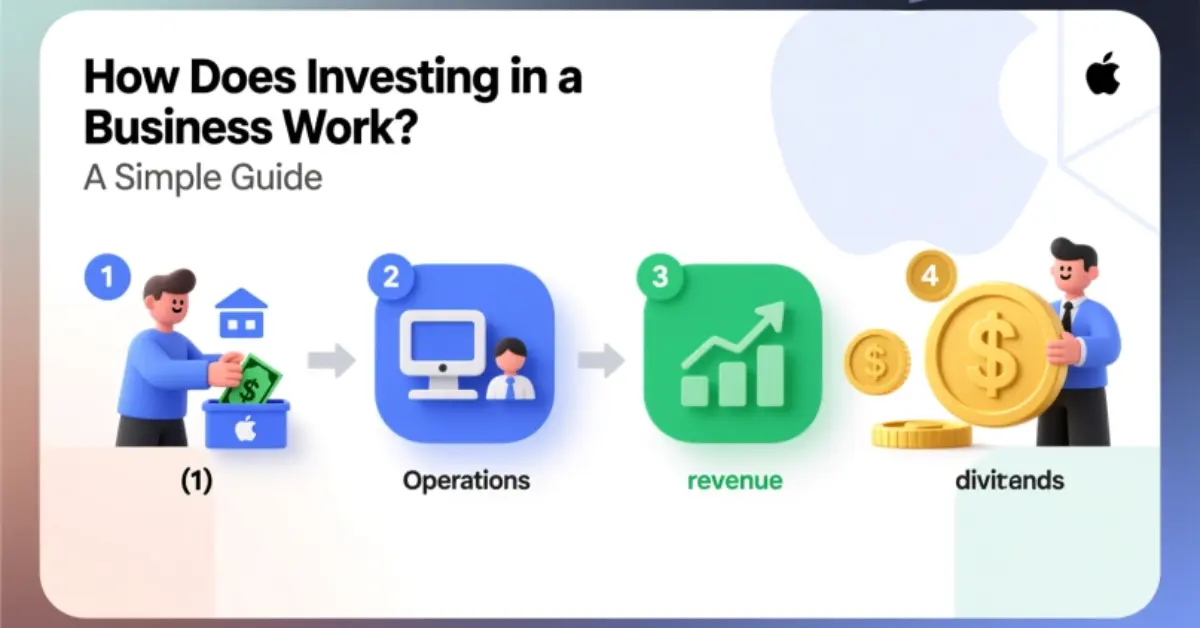
Introduction to Business Investment
“How does investing in a business work?” If you’ve ever asked yourself this question, you’re not alone. At first glance, it might sound complicated, like you need a finance degree to even start. But at its heart, investing in a business is actually quite simple: it’s about putting your money into a company in exchange for a chance to share in its success.
Think of it like planting a seed. You provide the resources – money, time, or expertise – and if the business grows, your “seed” grows too. You could earn returns through profits, dividends, or by increasing the value of your ownership stake over time. And just like gardening, it requires attention, patience, and a bit of know-how.
Here’s a quick example: Imagine a local bakery that’s just starting out. You decide to invest $2,000 in exchange for 10% ownership. As the bakery attracts more customers and grows, your 10% share becomes more valuable. In some cases, you might even receive part of the bakery’s profits directly. That’s the essence of business investment – supporting a company’s growth while giving yourself a chance to benefit from its success.
Table of Contents
Understanding Equity vs. Debt Investments
When you’re learning how does investing in a business work, one of the first things to understand is the difference between equity and debt investments. They’re the two main ways your money can enter a business, but they behave very differently.
Equity: Owning a Piece of the Business
Equity investment means you’re buying a share of ownership in the company. You don’t just lend money; you become a partial owner. That ownership comes with the potential for higher rewards – and higher risks.
Example: Let’s say you invest $5,000 in a tech startup for 10% ownership. If the company grows rapidly and its overall value doubles, your share becomes worth $10,000. On the flip side, if the startup struggles or fails, your investment could lose value, and there’s no guaranteed payout. Equity investors typically earn money through profit distributions (dividends) or by selling their shares when the company grows in value.
Debt: Lending Money to the Business
Debt investment is more like being a lender. You give the business money, and in return, they agree to pay you back with interest over a fixed period. Unlike equity, you usually don’t get a say in how the company is run, and you’re not sharing in its ownership.
Example: Imagine a small bakery needs $10,000 to buy new ovens. You lend them the money as a loan at 8% annual interest. Each month, the bakery pays you interest, and eventually, the principal is returned. Even if the bakery does exceptionally well, you only get the agreed interest – you don’t benefit from extra profits. On the bright side, if the business fails, debt holders are generally paid back before equity investors.
Quick Takeaway
- Equity = ownership and higher potential upside, but more risk.
- Debt = fixed returns, lower risk, but limited upside.
Understanding this distinction is key when figuring out how does investing in a business work. Your choice between equity and debt depends on your risk tolerance, goals, and the kind of involvement you want in the company.
How Investment Structures Work

Once you understand the basics of equity and debt, the next step in learning how does investing in a business work is to grasp the different investment structures. Not all investments are straightforward, and the way your money is structured can affect how much control you have, how you earn returns, and how risk is shared.
Convertible Notes: The Hybrid Approach
A convertible note starts as a loan (debt) but can later convert into equity once certain milestones are reached. It’s popular in startups because it allows investors to provide funding without immediately determining the company’s valuation.
Example: You lend $10,000 to a startup via a convertible note. After one year, the startup hits its growth target, and your loan converts into 5% equity. You went from being a lender to a partial owner – potentially increasing your upside if the company succeeds.
Hybrid Models
Some investments blend elements of equity and debt. This could include preferred shares, which offer regular dividends (like debt interest) but also a claim on ownership. These hybrids aim to balance risk and reward, making them appealing for investors who want some stability but still want to benefit from growth.
Shareholder Agreements
Whenever you take an equity stake, it’s crucial to understand the shareholder agreement. This document outlines:
- Ownership percentages: How much of the company you own and how your stake might change in the future.
- Voting rights: Whether you can vote on company decisions or board matters.
- Dividends: How profits are distributed and how often.
Mini example: You own 10% of a small café. The shareholder agreement might say you receive 10% of the profits annually, and you get a vote in major business decisions like expansion or selling the company.
Why It Matters
Understanding investment structures helps you avoid surprises and ensures you know exactly what you’re signing up for. Some agreements give more control but less immediate return, while others guarantee regular payouts but limit influence. Knowing these trade-offs is a core part of how investing in a business works successfully.
Why People Invest in Businesses
If you’re wondering how does investing in a business work, it’s not just about putting money somewhere and hoping it grows. People invest for a variety of meaningful reasons, often blending financial goals with personal values and curiosity.
Wealth Growth
The most obvious reason is the potential to grow your money. Unlike a standard savings account, investing in a business can offer returns that multiply over time.
Example: Jane invested $3,000 in a small local app development startup. Five years later, the company was acquired by a larger tech firm, and her share was worth $15,000 – a fivefold increase.
Supporting Innovation
Many investors are drawn to businesses that are solving real problems or introducing something new. You’re not just earning; you’re backing a vision.
Example: A friend invests in a sustainable packaging company. Beyond profit, they feel proud knowing their money supports eco-friendly solutions.
Diversification
Putting your money into different types of investments – stocks, bonds, and businesses – reduces risk. By investing in businesses, you’re not relying solely on one type of financial instrument.
Example: Mark has a mix of index funds, rental properties, and a stake in a local brewery. Even if one sector dips, others can help balance his overall portfolio.
Learning Opportunities
Investing in a business often comes with hands-on learning. You get insights into operations, strategy, and market trends – knowledge that can be more valuable than money alone.
Example: Sarah invested in a small café and started attending monthly meetings. Over time, she learned about inventory management, marketing strategies, and customer behavior, skills she later applied in her own startup.
Key Factors Investors Consider
When trying to understand how does investing in a business work, one of the most important steps is knowing what makes a business worth investing in. Experienced investors don’t just pick a company because it sounds exciting – they carefully evaluate a few critical factors.
Leadership and Team Quality
A strong, capable team often matters more than a perfect idea. Investors look for leaders with experience, vision, and the ability to adapt when challenges arise.
Tip: Meet the founders if possible, ask about their past projects, and observe how they handle questions or setbacks. Confidence without arrogance is usually a good sign.
Business Model
A great idea is only as good as the business model behind it. How does the company actually make money? Is it sustainable?
Tip: Look for clarity and transparency. If the company’s revenue streams are vague or inconsistent, that’s a red flag.
Market Size and Opportunity
Even a brilliant business can struggle if the market is too small. Investors assess whether there’s room for growth and whether the product or service can scale.
Tip: Research competitors, potential customer base, and industry trends. Ask yourself: “Is this a niche market, or does it have long-term growth potential?”
Financial Health
Revenue, expenses, debt levels, and cash flow are all crucial. Even if the idea is solid, poor financial management can sink a business.
Tip: Review financial statements carefully. Look for consistent growth or at least a clear path to profitability.
Exit Strategy
Investing isn’t always forever. Knowing how you can eventually sell your stake or exit the investment is key.
Tip: Ask about potential acquisition, IPO plans, or buyback options. A well-defined exit strategy shows the founders have thought ahead.
Understanding Risks and Challenges
Learning how does investing in a business work wouldn’t be complete without acknowledging the risks involved. Every investment carries uncertainty, and understanding potential pitfalls can help you make smarter, safer decisions.
Business Failure
The harsh reality is that not every business succeeds. Startups and small companies can fail due to poor management, lack of demand, or unforeseen events.
Tip: Diversify your investments instead of putting all your money into one company. Even a small investment spread across a few businesses reduces the impact if one fails.
Liquidity Issues
Unlike stocks, investments in private businesses aren’t always easy to sell. Your money can be tied up for months or years.
Tip: Before investing, clarify how and when you can exit. Ask about buyback clauses or secondary market options if available.
Market Changes
Shifts in the economy, industry trends, or consumer behavior can affect a business’s performance. Even a solid company can struggle if the market turns against it.
Tip: Stay informed. Following industry news, competitor moves, and broader economic trends can help you anticipate challenges.
Competition
A new competitor can disrupt the market quickly. Businesses that don’t innovate or differentiate risk losing customers and revenue.
Tip: Evaluate how a company positions itself. Does it have a unique value proposition, loyal customers, or barriers to entry that protect it from competition?
Managing and Mitigating Risk
While risk is unavoidable, it can be managed. Here are some practical strategies:
- Research thoroughly before investing. Know the company’s strengths, weaknesses, and market potential.
- Invest only what you can afford to lose – never tie up your life savings.
- Diversify across industries or business types to reduce exposure.
- Stay engaged by monitoring performance, attending shareholder meetings, or keeping communication open with founders.
Understanding these risks and having a plan for mitigation is a core part of how does investing in a business work. Smart investors embrace risk, but they don’t ignore it.
May be you like it:
Free Trading Webinar: Learn Smart Market Strategies
Certificate in Business Management Online: Your Career Boost
Smart Generational Wealth Planning for Lasting Legacy
Top Personal Investment Company Tips for Smart Investors
Returns: How Investors Make Money

When figuring out how does investing in a business work, understanding how you actually make money is essential. Returns can come in different forms, and knowing what to expect – both short-term and long-term – helps you plan and set realistic goals.
Capital Gains
Capital gains are the profits you earn when the value of your ownership stake increases. Essentially, you buy a portion of the business at one value and sell it later at a higher value.
Example: You invest $10,000 in a small software startup. A few years later, the company is valued at $50,000 for your share. That $40,000 increase is your capital gain.
Dividends
Some businesses distribute a portion of their profits directly to investors. This is called a dividend, and it’s like receiving a reward for being an owner. Not all companies pay dividends, especially startups, but established businesses often do.
Example: A local café you invested in decides to share 20% of its annual profits with investors. You might receive $500 in dividends each year just for holding your 10% stake.
Profit-Sharing
Certain investment agreements allow for profit-sharing, where investors earn a percentage of the company’s net profits rather than a fixed dividend. This is more common in partnerships or small private companies.
Short-Term vs. Long-Term Expectations
- Short-term returns are often limited. Startups may take years to generate profits, and equity investments rarely pay off immediately.
- Long-term returns can be substantial if the business scales or is acquired. Patience is key – most successful investors expect to hold their stakes for multiple years before seeing significant gains.
Understanding these types of returns helps you make informed decisions and set realistic expectations for your investments. After all, knowing how does investing in a business work isn’t just about risk – it’s also about recognizing the opportunities and rewards that come with patience and strategy.
Tips for First-Time Investors
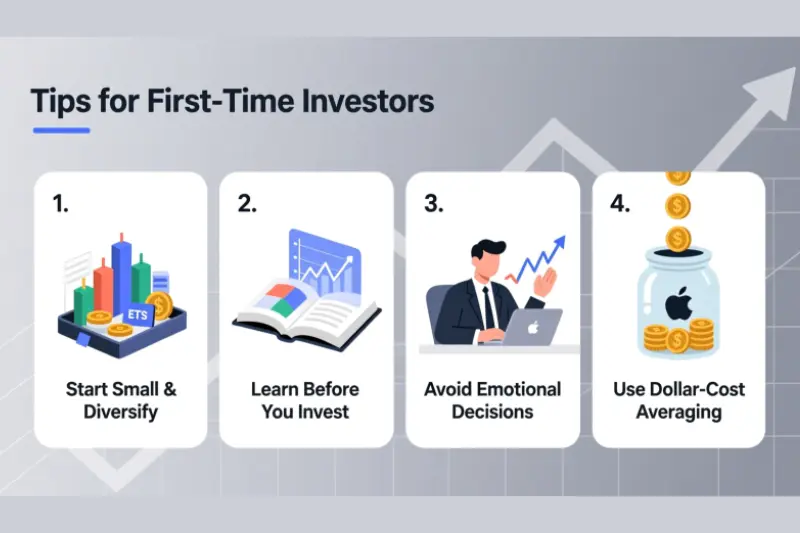
If you’re just starting to explore how does investing in a business work, it can feel overwhelming. But with a few practical strategies, you can approach it confidently and avoid common mistakes.
Start Small
You don’t need to invest a fortune right away. Beginning with a smaller amount allows you to learn without taking on too much risk.
Example: Instead of putting $20,000 into a startup, start with $2,000–$5,000. You’ll gain experience and see how the process works firsthand.
Do Your Research
Knowledge is your best defense against risk. Understand the company, the market, and the competition before committing money.
Tip: Read financial statements, check customer reviews, and talk to industry experts. The more informed you are, the better decisions you’ll make.
Seek Advice
No one expects you to know everything. Consulting mentors, accountants, or experienced investors can save you from costly errors.
Example: A friend might have invested in similar businesses and can share what to look for – insights that aren’t always obvious from numbers alone.
Align with Personal Goals
Investing isn’t just about money; it’s about matching your investments to your lifestyle and ambitions. Are you looking for long-term growth, passive income, or experience in a particular industry?
Reflective question: Ask yourself, “What am I hoping to achieve by investing in this business?” Your answer should guide your choices.
Patience is Key
Business growth takes time. Returns rarely happen overnight. Treat your investment like a journey, not a quick cash grab.
Mini insight: Some of the most successful investors say that learning to be patient and stay informed is as valuable as any financial gain.
By following these tips, first-time investors can approach opportunities with confidence, practical knowledge, and the right mindset – essential elements of understanding how does investing in a business work.
Common Mistakes to Avoid
Understanding how does investing in a business work isn’t just about learning the mechanics – it’s also about recognizing the pitfalls that trip up many investors, especially beginners. Avoiding these common mistakes can save you both money and frustration.
Over-Investing
Putting too much money into a single business can be tempting if the idea excites you, but it’s risky. A single failure can have a major impact on your finances.
Practical Advice: Spread your investments across multiple opportunities. Start small and gradually increase your stake as you gain confidence and knowledge.
Ignoring Due Diligence
Skipping research because you “trust your gut” or the business seems promising is a recipe for disaster. Even experienced investors thoroughly investigate before committing.
Practical Advice: Examine financial statements, evaluate the market, and understand the team behind the business. Knowledge reduces surprises and helps you make informed decisions.
Making Emotional Decisions
It’s easy to get caught up in excitement, friendship, or hype around a business. Emotional investing often leads to impulsive choices and losses.
Practical Advice: Take a step back, weigh risks objectively, and separate personal feelings from financial decisions. Ask yourself: “Would I invest this amount if I didn’t know the founders personally?”
Chasing Trends
Just because a type of business is “hot” right now doesn’t mean it’s a guaranteed success. Market trends can shift quickly, leaving investors exposed.
Practical Advice: Focus on businesses with solid fundamentals, sustainable models, and clear growth potential – not just the ones everyone is talking about.
By being aware of these mistakes and actively avoiding them, you strengthen your ability to make thoughtful, strategic investments. This approach ensures that your journey in learning how does investing in a business work is safer, smarter, and more rewarding.
FAQs
What does it mean to invest in a business?
Investing means putting money into a company in exchange for a share of ownership or a return on your investment, hoping the business grows and becomes profitable.
What’s the difference between equity and debt investment?
Equity gives you ownership and potential profit sharing, while debt is like lending money to the business with fixed interest and repayment terms.
How risky is investing in a business?
All investments carry risk. Businesses can fail, markets can shift, and returns aren’t guaranteed. Research, diversification, and due diligence help reduce risk.
How do investors make money?
Returns can come from capital gains (selling your ownership at higher value), dividends (profit sharing), or profit-sharing agreements, depending on the investment type.
How should beginners start investing in businesses?
Start small, do thorough research, seek advice from experienced investors, align investments with personal goals, and be patient for long-term growth.
Conclusion and Reflection
So, how does investing in a business work? At its core, it’s about more than just money – it’s about understanding opportunities, evaluating risks, and actively participating in the growth of a business you believe in. From choosing between equity and debt, to analyzing leadership, market potential, and financial health, every decision matters.
Investing can help you grow wealth, support innovation, diversify your portfolio, and even gain hands-on experience in industries you care about. But it requires patience, research, and a clear understanding of your own goals. Rushing in without preparation or letting emotions drive your decisions often leads to regret.
Reflective thought: Before you commit, ask yourself – what am I hoping to achieve with this investment? Am I looking for financial growth, learning, or supporting something I believe in? Your answers will guide the right approach, structure, and level of risk for your journey.
May be you like it:
Stock Market for Beginners PDF – Your Simple Starter Guide
Top MBA Certificate Programs Online for Career Growth
